Planting
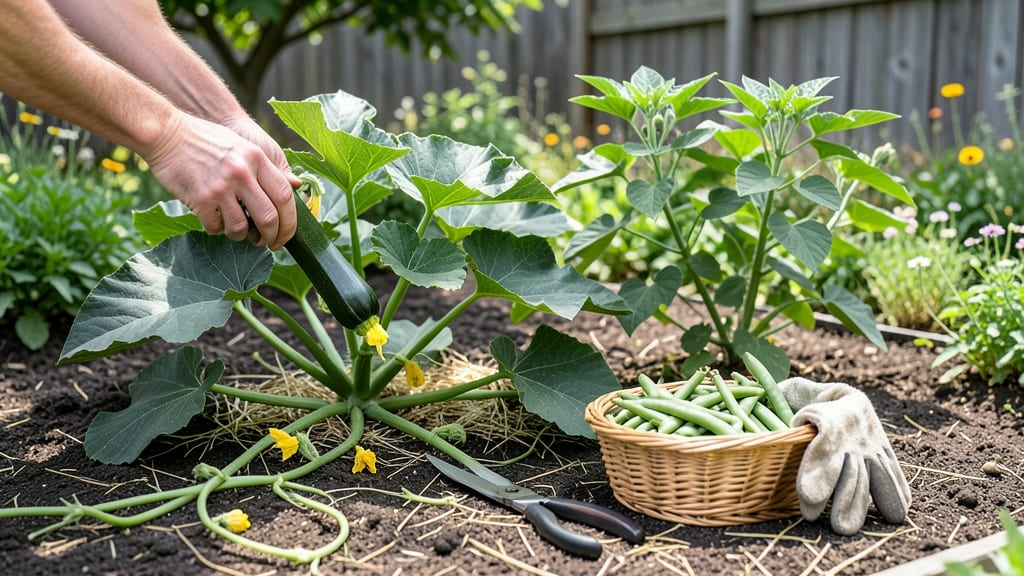
Planting late summer harvest vegetables in July is your ticket to a fast, flavorful bounty before fall sets in—even if your space is small.
Picture this: crisp radishes popping up in three weeks, bush beans climbing their trellis by August, and a salad bowl overflowing with homegrown greens by September. That’s the magic of July planting, when the days are long and the soil is still warm enough to coax quick results.
You don’t need a sprawling backyard to pull this off. Containers, raised beds, and balcony gardens all work—so long as you pick the right heat-loving varieties and give them the care they need.
Below, I’ll walk you through the top 7 fastest growers, how to squeeze them into tight spaces, and the exact timeline to harvest them before frost.
Ready to turn your July planting into a late-summer feast? Let’s get started.

Top 7 fast-growing July vegetables for late summer harvests in small spaces
July offers gardeners a golden opportunity to grow vegetables that thrive in warm soil and deliver quick harvests before fall arrives. With the right fast-maturing varieties, you can enjoy fresh produce from containers, raised beds, or balcony gardens—even in tight spaces.
These high-yield crops are perfect for succession planting, ensuring a steady supply of homegrown food until the first frost.
I’ve selected seven heat-tolerant vegetables that mature in 30-60 days, making them ideal for July planting. Whether you’re a beginner or a seasoned gardener, these varieties are forgiving, productive, and perfect for small spaces. Let’s dive into the best options for your late-summer garden!
| Vegetable | Days to Harvest | Sun Needs | Space Requirements | Notes |
|---|---|---|---|---|
| Bush Beans | 45-55 days | Full sun (6+ hours) | 12-18" apart | Compact, no trellis needed; harvest pods when firm. |
| Radishes | 25-30 days | Full sun to partial shade | 2-3" apart | Fastest crop; great for succession planting. |
| Green Onions | 40-50 days | Full sun (5+ hours) | 3-4" apart | Regrow from scraps; cut-and-come-again harvests. |
| Lettuce (Leaf Varieties) | 30-40 days | Partial shade (4-6 hours) | 6-8" apart | Heat-tolerant varieties like 'Black Seeded Simpson'. |
| Zucchini (Bush Types) | 45-55 days | Full sun (6+ hours) | 2-3 ft apart | Compact varieties like 'Eight Ball'; harvest small. |
| Swiss Chard | 50-60 days | Full sun to partial shade | 12-18" apart | Cut-and-come-again; colorful stems add beauty. |
| Turnips (Greens & Roots) | 30-40 days (greens); 45-50 days (roots) | Full sun (5+ hours) | 3-4" apart | Harvest greens young; roots need loose soil. |
These fast-growing vegetables are perfect for small-space gardening because they mature
How to maximize yields in containers: planting tips for July crops
July’s warm soil and long days create the perfect conditions for container gardening, but squeezing in high-yield crops requires strategy. The key to maximizing your harvest lies in proper spacing, companion planting, and container-specific soil prep.
Unlike in-ground gardens, containers heat up faster and dry out quicker, so we’ll focus on techniques that compensate for these challenges while keeping your plants happy and productive.
Start by choosing containers with adequate drainage—at least 6 inches deep for root crops like radishes and 12+ inches for bush beans or tomatoes. The right container size prevents root binding, which stunts growth and reduces yields.
If you’re working with limited space, prioritize vertical gardening for vining plants like pole beans or cucumbers, using trellises or stakes to save floor space while maximizing upward growth.
Now, let’s dive into the essential steps to turn your July planting into a late-summer harvest goldmine—starting with soil and spacing.
- 1 Soil Prep: Use a lightweight potting mix with added compost or worm castings (20-30%) for nutrients. Containers dry out fast, so mix in perlite or coconut coir (10%) to improve drainage. Avoid garden soil—it compacts and suffocates roots.
- 2 Spacing Rules: Follow the "square-foot gardening" method—place 1 plant per square foot for leafy greens (e.g., lettuce, spinach) and 4 plants per square foot for radishes. For bush beans, space seeds 4 inches apart in rows 12 inches apart. Overcrowding leads to pests and disease.
- 3 Companion Planting: Pair bush beans with lettuce (beans fix nitrogen, lettuce shades roots). Avoid planting tomatoes and basil together—they compete for nutrients. Use marigolds as pest repellents around containers.
- 4 Watering Schedule: Water deeply every morning (before 10 AM) to prevent fungal diseases. Use self-watering containers or drip irrigation to maintain moisture. Check soil moisture daily—containers dry out 2-3x faster than ground soil.
- 5 Fertilizer Tricks: Use a balanced liquid fertilizer (10-10-10) every 2-3 weeks starting when plants flower. For leafy greens, switch to a higher-nitrogen feed (e.g., 20-10-10). Avoid over-fertilizing—containers have limited root space.
Don’t forget to mulch your containers with straw or shredded leaves to retain moisture and regulate soil temperature. This simple step can cut your watering needs by 30% while keeping roots cool during July’s heat spikes.
If you notice leaves wilting by midday, it’s a sign your container is drying out too quickly—upgrade to a larger pot or add more organic matter to the soil mix.
Finally, harvest regularly to encourage continuous production. For example, pick radishes every 3-4 days to prevent bolting, and trim green onions from the base—they’ll keep growing! With these container-specific tips, you’ll transform even the smallest balcony into a high-yielding late-summer harvest machine. 🌱