
Picking
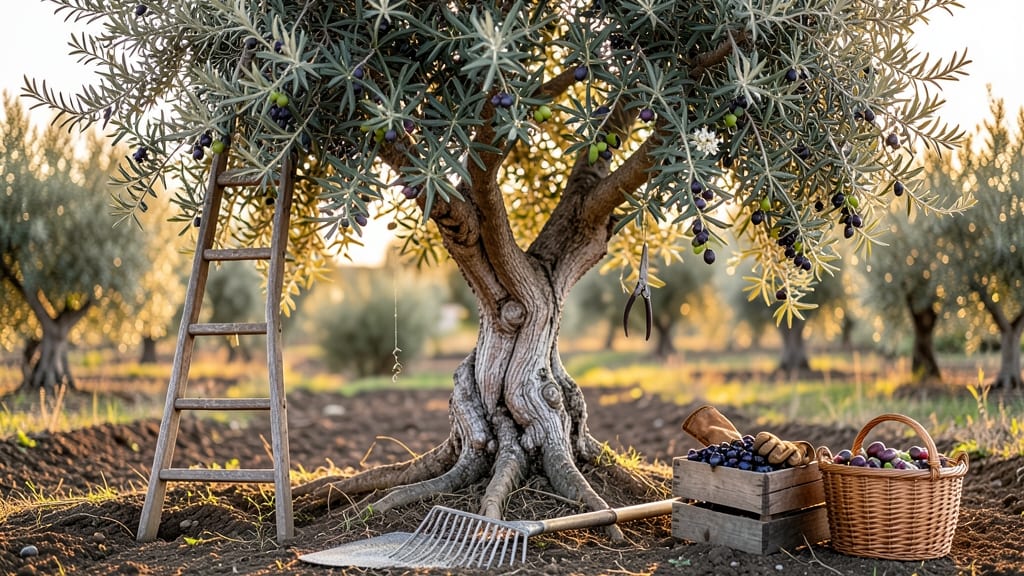
Most gardeners wait for the first cool snap, but the real secret lies in color, oil content, and a few subtle weather cues. In Mediterranean climates like California or Spain, olives typically ripen between October and December, but the exact timing shifts with variety and local conditions.
If you’re growing Arbequina for oil or Kalamata for brining, you’ll need to watch for purple-black skin (table olives) or bright green (oil olives) — and test the pit’s readiness. Below, I’ll break down the climate triggers, ripeness signs, and how to adjust for your zone.
You’ll also learn how to prep your tree for harvest, whether to hand-pick or use a modern shaker, and what to do with your olives once they’re off the branch.


Best months for olive harvest by climate zone and variety
Timing your olive harvest correctly ensures you get the best flavor and oil quality. In Mediterranean climates like California or Spain, olives typically ripen between October and December, but the exact timing depends on the variety and local weather.
For example, Kalamata olives thrive in warm coastal areas, while Arbequina olives prefer cooler inland regions.
In temperate zones like parts of Southern California or coastal Oregon, harvests may shift slightly later, often from November to January. Meanwhile, subtropical climates such as Florida or parts of Australia may see harvests as early as September or October, depending on rainfall and heat levels.
Understanding your climate zone is key—Mediterranean zones offer the most predictable harvest windows, while temperate zones may experience earlier frosts that can shorten the season. Subtropical zones often have longer growing seasons but may face humidity challenges that affect ripening.
| Climate Zone | Best Harvest Months | Key Varieties | Ripeness Cues | Harvest Tips |
|---|---|---|---|---|
| Mediterranean | October - December | Kalamata, Manzanillo, Frantoio | Purple/black color, soft skin | Harvest before frost; use nets |
| Temperate | November - January | Arbequina, Mission, Sevillano | Green to purple transition | Watch for early frosts; harvest early |
| Subtropical | September - October | Leccino, Koroneiki, Picholine | Bright green or purple hues | Monitor humidity; avoid wet fruit |
For Kalamata olives, the harvest window is typically late October to December in Mediterranean climates, where they thrive in warm coastal conditions. These olives are prized for their sweet, buttery flavor when fully ripe, but they must be picked before the first frost to avoid bitterness.
Arbequina olives, often used for high-quality oil, ripen slightly earlier in temperate zones, usually from November to January. Their smaller size and green-to-purple transition signal readiness, but they require careful monitoring to avoid over-ripening, which can reduce oil quality.
In subtropical regions, varieties like Leccino or Koroneiki may ripen as early as September, thanks to longer growing seasons. However, humidity levels can accelerate spoilage, so quick processing is essential. Always check for skin softness and color changes as your primary indicators.
Regional variations matter—even within the same climate zone. For instance, California’s Central Valley may see harvests 2-3 weeks earlier than coastal areas due to hotter temperatures. Similarly, Spanish Andalusia often harvests Manzanillo olives in late November, while Italian Tuscany may wait until December for Frantoio olives.
If you’re growing dwarf varieties in containers, expect a slightly earlier harvest—often 1-2 weeks ahead of standard trees. Container-grown olives also benefit from protection against wind and frost, which can extend their harvest window in cooler climates.
Pro tip: Use harvest nets under your trees to catch fallen olives, especially for early-morning picking when humidity is lowest. This reduces the risk of mold or spoilage and makes the process more efficient. Always harvest on dry, sunny days to preserve fruit quality.
Remember, over-ripe olives can become mealy and lose flavor, while under-ripe olives may remain bitter. The key is to watch for color changes, skin softness, and natural dropping—these are your best indicators of the perfect harvest time. Happy picking! 🫒
How to spot the perfect ripeness: color, oil content, and weather signs
Olives ripen gradually, and missing their peak means sacrificing flavor and oil quality. The color shift from green to purple-black (for table olives) or staying bright green (for oil olives) is your first clue—but don’t stop there.
I’ve learned that pit softness and weather patterns are equally critical. For example, Arbequina olives stay green but develop a slight waxy sheen when oil-ready, while Kalamata turn deep purple when perfect for curing.
Beyond color, pay attention to the pit’s readiness. A ripe olive’s pit should separate cleanly from the flesh when gently twisted—this indicates peak oil content. If the pit stays stubbornly attached, the olive isn’t ready yet.
I test a handful daily during harvest season, and this simple trick has saved me from picking too early (and bitter olives) or too late (and overripe, mushy fruit).
🌿 Key Ripeness Indicators for Olives
- Color: Purple-black (table) or bright green (oil) with no red tint
- Pit Test: Twist olive—pit should separate easily from flesh
- Humidity: 3+ days of morning dew or light rain signals ripeness
- Temperature: Nights below 60°F (15°C) trigger final ripening
- Leaves: Yellowing or dropping leaves mean olives are overripe
- Oil Test: Squeeze olive—oil should bead on skin (not drip)
Weather plays a surprising role in olive ripeness. In my California garden, I’ve noticed olives ripen faster after a humidity spike—think morning dew or light rain. This triggers enzymes that convert starches to oils.
Conversely, a sudden temperature drop (like the first 50°F/10°C nights) can halt ripening, so I harvest before frost risk. For oil olives, this means picking before the first chill, while table olives can wait slightly longer for deeper color.
Don’t overlook the leaf signals. Healthy green leaves mean your tree is thriving, but yellowing or dropping leaves signal stress—often a sign olives are overripe. I once ignored this cue and harvested too late, ending up with mushy olives that fermented poorly.
Now, I check leaves weekly during harvest season. If more than 10% are yellow, it’s time to pick, even if the olives aren’t fully colored.
Testing oil content at home is simpler than you’d think. Squeeze a ripe olive between your fingers—if a clear oil bead forms on your skin, it’s ready. For a more precise test, cut an olive in half: if the flesh is translucent and slightly waxy, it’s oil-ready.
I’ve used this method for years, and it’s saved me from harvesting green, bitter olives that ruin batches. Pro tip: Test olives from different branches—they ripen at slightly different rates!
Timing your harvest based on these cues ensures olives packed with flavor and oil. Miss the window, and you’ll end up with fruit that’s either too bitter or too soft.
Next time you’re in your garden, grab a handful and test them—your future olive oil or brined olives will thank you! 🫒✂️