
Picking
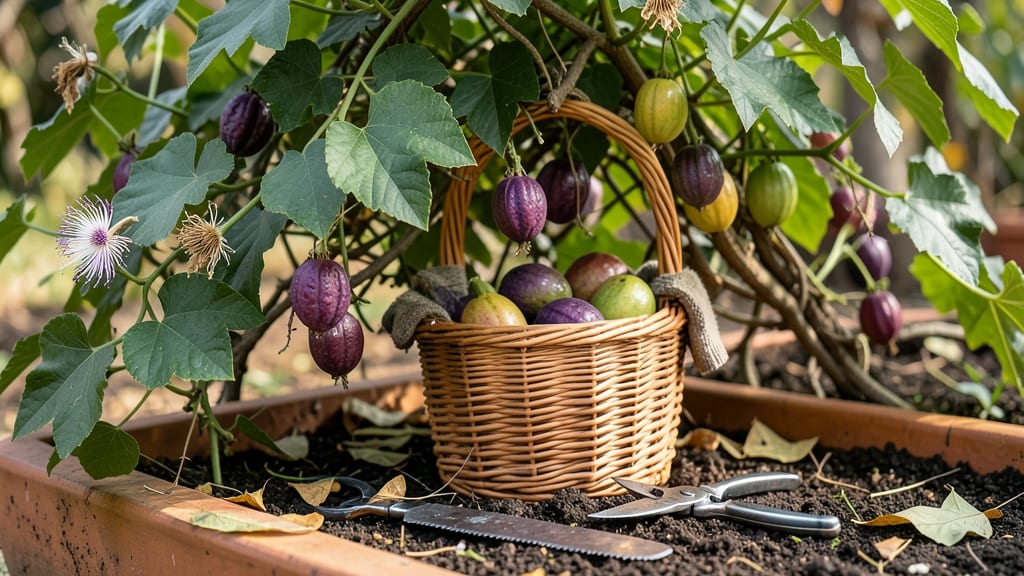
Harvesting passion fruit at the right time means vibrant yellow pods 🍈 that burst with sweet-tart flavor—before the sun turns them bitter or they fall apart in your hands.
When your passion fruit vines burst with vibrant yellow pods and the seeds inside jiggle like a maraca, you’re just days away from a bountiful harvest—but timing is everything to avoid bitter, sun-scorched fruit.
In General (Tropical/Subtropical Regions), like USDA Zones 9-11, most varieties ripen between 6-9 months after planting, with peak harvests running from late spring through summer. If you’re in a cooler zone (like 6-8 with protection), expect a slightly delayed but equally rewarding season.
Below, I’ll walk you through the exact visual and tactile cues to spot ripe fruit—when to twist it free, how to tell if it’s still too hard, and why harvesting at dawn keeps the flavor fresh for weeks.

How to tell when passion fruit is ready for harvesting
Harvesting passion fruit at the perfect moment transforms your vine into a flavor factory. The difference between peak sweetness and bitter disappointment often comes down to subtle cues most gardeners miss. I’ve learned the hard way—overripe fruit turns mealy, while underripe pods stay tart and seedy.
Let’s break down the visual and tactile clues that signal your passion fruit is ready to pick, plus how sunlight exposure can shift your harvest window by weeks.
First, focus on the fruit’s color, which is your most obvious clue. Most varieties—like the popular purple passion fruit—shift from bright green to deep purple when ripe. Yellow passion fruit varieties, such as Golden Passion Fruit, turn a vibrant golden hue.
But here’s the catch: sunlight intensity speeds up this process. Vines basking in full sun (6+ hours daily) may ripen faster, while those in partial shade could take 2-3 extra weeks to reach peak flavor. Always check the fruit’s exposure history to adjust your timing.
| Cue | Purple Varieties | Yellow Varieties |
|---|---|---|
| Color Change | Deep purple (no green patches) | Golden yellow (no green) |
| Seed Movement | Jiggles slightly when shaken | Jiggles like maraca |
| Firmness | Yields slightly to gentle pressure | Softens but doesn’t feel mushy |
| Stem Condition | Dries and darkens at base | Separates easily with twist |
| Sunlight Impact | Ripens 2-3 weeks faster in full sun | Partial shade delays ripening by weeks |
Next, give your passion fruit the gentle squeeze test—this is where many gardeners go wrong. A ripe passion fruit should feel slightly soft but not mushy. Press your thumb against the fruit: if it gives just a little (like a ripe avocado), it’s ready.
If it’s rock-hard, it needs more time. Overripe fruit will feel mealy inside, losing its vibrant flavor. I once picked a batch that was too soft, and the taste was disappointingly bland—never again!
Don’t overlook the stem’s condition, either. When ripe, the stem near the fruit’s base will dry out and darken, almost like a paper-thin layer. This is your vine’s way of telling you, “It’s time!”
Twist the fruit gently—if it detaches easily, you’re in luck. If it resists, wait another 2-3 days. Pro tip: Morning harvests are ideal because fruit is cooler and firmer, reducing bruising during picking.
Size matters too, but it’s often overrated as a sole indicator. While ripe passion fruit typically measures 2-4 inches in diameter, some varieties stay small even when ripe. Instead, combine size with the other cues.
For example, a 3-inch purple passion fruit with deep color and a yielding skin is ready, even if another fruit of the same size is still green. Always prioritize color and texture over dimensions.
Sunlight exposure is the wildcard in passion fruit ripening. Vines in USDA Zones 9-11 with full sun may ripen as early as late spring, while those in Zone 8 or partial shade could drag harvests into early fall.
In my Zone 9 garden, I’ve seen passion fruit ripen in 6 months during hot summers, but in cooler microclimates, it can take up to 9 months. Pay attention to your vine’s local microclimate—a north-facing vine might lag behind its south-facing neighbor by weeks.
One mistake I’ve seen gardeners make is waiting for the fruit to fall. By then, it’s often overripe and prone to pest damage or spoilage. Passion fruit won’t naturally drop like apples or tomatoes—you must actively check your vines every 3-5 days once the first pods start changing color.
Set a reminder or tie a bright ribbon to the vine as a visual cue. Trust me, your future self will thank you when you’re sipping fresh passion fruit smoothies instead of tossing spoiled pods.
Finally, consider the time of year. In tropical climates, passion fruit may produce two harvests annually: one in spring and another in fall. In cooler regions, you might get just one summer harvest.
If you’re in Zone 6-8, protect your vines with row covers or move potted plants indoors during frost threats—frost kills passion fruit instantly. Always harvest before the first frost, even if the fruit isn’t fully ripe, to save what you can.
Mastering the art of passion fruit harvesting is equal parts patience and observation. Start by checking your vines for color changes and seed movement, then confirm with the squeeze and stem tests.
Adjust for your local climate, and soon you’ll be harvesting perfectly ripe passion fruit every season. Now, go enjoy that sweet, tangy reward—your vines have earned it! 🍈
Best practices for harvesting passion fruit without damaging the vine
Harvesting passion fruit requires gentle hands and the right timing to preserve both the fruit’s flavor and your vine’s health. Twisting is the preferred method, but it’s easy to snap tender vines if you’re not careful.
Start by picking in the early morning, when temperatures are cool and the fruit is firmer. This reduces bruising and helps the fruit last longer once harvested.
Use a small pair of pruning shears or clean scissors for stubborn fruit that won’t twist free. Always cut 1/4 inch above the fruit’s base to avoid damaging the vine’s growth nodes.
Never pull or yank—this can tear the vine and invite pests or disease. If you’re harvesting multiple fruits, work systematically from the bottom of the vine upward to avoid overloading branches.
Step-by-Step Passion Fruit Harvesting Guide
- Step 1: Check for ripeness—fully colored fruit that yields slightly to gentle pressure.
- Step 2: Hold the fruit firmly with one hand and twist gently near the base until it detaches.
- Step 3: If twisting fails, use sterilized pruners to cut 1/4 inch above the fruit’s stem.
- Step 4: Place harvested fruit in a shaded, breathable container to prevent bruising.
- Step 5: Store at room temperature (60-70°F) for 2-3 days or refrigerate for up to 1 week.
After harvesting, inspect your vines for any damaged areas or remaining unripe fruit. Remove any overripe or spoiled fruit immediately to prevent pests from infesting your plants. Prune lightly to improve airflow and encourage new growth.
Avoid heavy pruning right after harvest, as this can stress the vine during its recovery phase.
To extend the shelf life of your passion fruit, store it in a paper bag in the fridge. The bag traps ethylene gas, which helps ripen any slightly underripe fruit while keeping the rest fresh.
Avoid washing the fruit until you’re ready to use it—moisture speeds up spoilage. If you notice mold or soft spots, discard the fruit immediately to prevent bacterial spread.
Harvesting passion fruit is a rewarding process, but it’s all about patience and precision. By following these steps, you’ll protect your vine’s health while enjoying the sweetest, most flavorful fruit possible. Plus, a well-maintained vine will reward you with years of abundant harvests if cared for properly.