
Vegetables
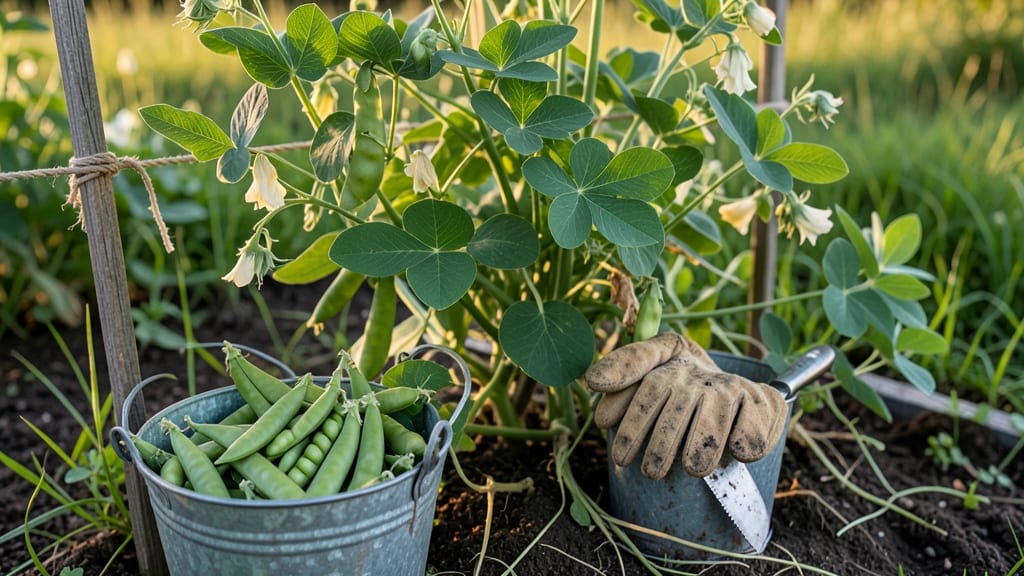
Knowing the exact pea harvest time transforms your garden from a waiting game into a steady supply of sweet, crisp pods 🌱—and missing it means tough, stringy peas that ruin the meal.
Timing is everything: harvest too early, and you’re picking underdeveloped pods; too late, and the peas turn woody or shatter. The difference between a perfect bite and a chewy mess often comes down to three key signs you might be overlooking.
Whether you’re growing sugar snaps, shelling peas, or snow peas, each variety has its own ideal window—usually between 60 and 75 days after planting, depending on your climate. In Zone 6a, that means late May to early June for spring plantings, or September for fall harvests.
Below, I’ll walk you through the exact visual cues to pick peas at their peak, how often to harvest for maximum yield, and why checking the pods every 2-3 days keeps your plants producing longer.

3 Exact signs your peas are ready for harvest (with photos)
Peas are one of the most rewarding vegetables to grow, but their harvest window is short and sweet. Miss it, and you’ll end up with tough, stringy pods that taste bland. The key?
Knowing the three exact signs your peas have reached peak ripeness. I’ve learned the hard way—over-mature peas can turn mealy and lose their crisp texture, so let’s get this right.
First, let’s talk about the visual cues that scream "harvest me!" These aren’t just guesses—they’re science-backed indicators of perfect ripeness. Whether you’re growing snap peas, shelling peas, or snow peas, these signs apply across the board.
The moment your pods hit these markers, grab your scissors and start picking!
- 1
- 2
- 3
Here’s where many gardeners trip up: harvesting too late. Once peas start to yellow or the pods feel leathery, their flavor and texture degrade rapidly. I once left my sugar snap peas on the vine for "just one more day," and they turned into woody sticks.
Trust me, it’s better to harvest a little early than risk over-maturing.
For shelling peas, the rule is slightly different. You’ll want the pods to be fully swollen but still bright green, with seeds that are visible but not bulging.
If you can see the seeds clearly through the pod, they’re ready. Over-mature shelling peas develop hard, wrinkled seeds that lose their sweetness.
If you’re growing snow peas, aim for pods that are flat and slightly crisp, about 2-3 inches long. They should be bright green and tender—if they start to thicken or develop a bulging seed, they’ve passed their prime.
Snow peas are best picked young and flat, so don’t wait!
One trick I swear by is the "squeeze test". Gently press a pod between your thumb and forefinger. If it feels firm and snaps back slightly, it’s ready.
If it dents easily or feels spongy, it’s overripe. This tactile check is your best friend when deciding whether to harvest.
Timing matters too. Morning harvests are ideal because peas are cool and crisp after the night’s chill. Avoid picking in the midday heat, as the pods can become flaccid and lose their snap.
I’ve found that harvesting every 2-3 days keeps my pea plants producing like crazy—more on that in the next section!
Finally, don’t ignore the plant itself. If your pea vines are bursting with new flowers and pods while the existing ones are already over-mature, it’s a clear sign you’ve missed your window.
Peas are prolific producers, but they move fast. Stay ahead of the game by checking your plants daily during peak harvest time.
Remember, the goal is fresh, sweet peas straight from the vine. Once you master these three signs, you’ll never miss a harvest again. Now grab those scissors and enjoy the crisp, garden-fresh rewards of your hard work! 🌱
Pea harvest time by variety: when to pick sugar snaps vs. shelling vs. snow peas
Not all peas are created equal when it comes to harvest time. Sugar snap peas, shelling peas, and snow peas each have distinct windows for peak flavor and texture.
Missing these timelines can turn crisp pods into tough, bitter failures. Let’s break down the exact moments to pick each type for garden-fresh perfection.
Understanding these differences is key because over-maturity transforms sweet, tender pods into woody or stringy messes. For example, sugar snap peas lose their signature crunch fast once picked too late, while shelling peas become mealy if left on the vine too long.
Even snow peas develop tough fibers when harvested past their prime.
🌱 Comparison Table: Harvest Times by Pea Variety
| Pea Type | Pod Size | Color | Days to Maturity | Harvest Window |
|---|---|---|---|---|
| Sugar Snap Peas | 2-3 inches | Bright green | 55-65 days | Pick when pods are firm, plump, and slightly swollen |
| Shelling Peas | 1.5-2.5 inches | Green to yellow-green | 60-75 days | Harvest when pods are dry and seeds are plump but not fully formed |
| Snow Peas | 2-4 inches | Bright green | 60-70 days | Pick when pods are flat, tender, and seeds are tiny or invisible |
For sugar snap peas, the harvest window is tight—just a few days between perfect crunch and rubbery disappointment. Look for pods that are plump and slightly curved, with a glossy sheen.
If you see dark spots or wrinkled skin, it’s past its prime. I like to check my Sugar Sprint variety every 2-3 days once pods appear.
When harvesting shelling peas, focus on the seeds inside. The pods should feel dry and papery, with seeds that are round and firm but not bulging.
Varieties like Lincoln or Oregon Sugar Pod need patience—they take longer to mature but reward you with sweeter, meatier peas when harvested at the right time.
Finally, snow peas are the most delicate of the bunch. Their pods should be flat and tender, with almost no thickness. If you see any bulging or thickening, it’s time to pick.
Popular varieties like Alderman or Oregon Sugar Pod II thrive when harvested young, offering a subtle sweetness that disappears with over-maturity.
Pro tip: Always harvest in the morning when pods are cool and crisp. Use sharp scissors or your fingers to snap pods cleanly—never twist or tug, as this can damage the plant. With the right timing, you’ll enjoy a steady harvest for weeks! 🌿