
How To
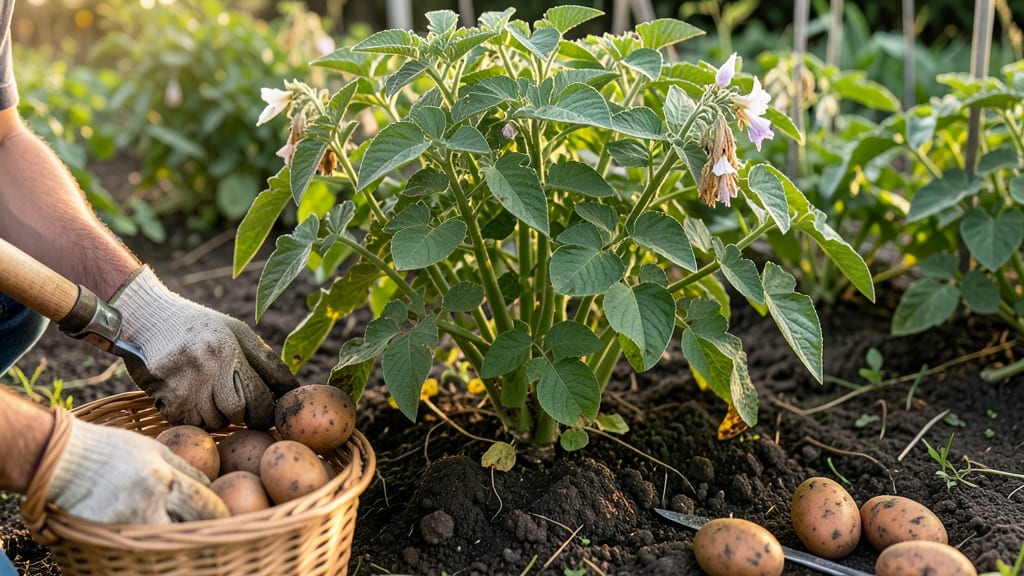
The russet potato harvest time arrives when your plants have matured for 70-90 days and the foliage begins yellowing—missing this window means tubers that spoil faster or never reach their full flavor.
Picture this: you’ve spent weeks tending your 🥔 patch, only to dig up potatoes that are either too small or already sprouting. The difference between a perfect harvest and a wasted crop often comes down to knowing the exact moment to pull them from the soil.
In this guide, I’ll walk you through the key signs to watch for—like skin firmness and stem separation—along with regional adjustments to ensure your potatoes store well for months.
You’ll also discover the critical mistakes that shorten storage life, from improper curing to wrong temperature, so you can keep your harvest fresh until next spring.

Optimal russet potato harvest time based on plant maturity and weather conditions
Harvesting russet potatoes at the right time ensures maximum flavor, storage potential, and yield quality. Most russet varieties mature between 70-90 days after planting, but timing depends on plant signals and local weather.
Early varieties may be ready in 70-80 days, while late varieties can take up to 90 days or longer, depending on your climate zone.
Start monitoring your russet potato plants for key maturity indicators like flowering and foliage changes. Once the plant flowers, it signals the beginning of tuber formation, but the actual harvest window opens when the leaves start yellowing and dying back.
This process typically occurs 2-4 weeks after flowering, depending on your growing conditions.
🌱
| Maturity Stage | Key Indicators | Days After Planting | Ideal Harvest Time |
|---|---|---|---|
| Early Bloom | Flowers appear, tubers forming | 45-60 days | Not ready |
| Peak Bloom | Full flowering, leaves green | 60-75 days | Monitor closely |
| Late Bloom | Flowers fading, leaves yellowing | 75-90 days | Optimal harvest |
| Full Senescence | Leaves fully yellow/dry, stems dead | 90+ days | Late harvest (smaller tubers) |
Weather conditions play a critical role in determining the best harvest window. In cooler climates, russet potatoes often mature earlier, sometimes as early as 60-70 days. Conversely, in hot, dry regions, they may take longer to reach maturity.
Always adjust your harvest timing based on your local frost dates—if frost is forecasted within 2-3 weeks, it's time to dig, even if the plants aren't fully senescent.
Soil temperature also influences harvest timing. Russet potatoes grow best in soil temperatures between 60-75°F. If your growing season is short, opt for early-maturing varieties like 'Yukon Gold' or 'Red LaSoda' to avoid missing the harvest window.
These varieties often mature in 60-75 days, making them ideal for shorter growing seasons.
For gardeners in warmer climates, russet potatoes may continue growing well into fall. In these regions, you can often harvest multiple times throughout the season. Start with a partial harvest when the first tubers reach maturity, leaving some plants to continue producing until the first frost.
One common mistake is waiting too long to harvest. Overripe russet potatoes develop sprouts, soft spots, and poor storage quality. If you notice the foliage turning brown and crispy, it's a sign that the tubers are likely overripe.
Dig a few test tubers to check their readiness. If they're firm, well-sized, and have developed skin, they're ready for harvest.
In regions with early frosts, prioritize harvesting russet potatoes before the first frost hits. Frost can damage the tubers, leading to rot and poor storage life.
If frost is imminent, harvest even if the plants aren't fully mature. The tubers will be smaller but still edible and storable for a few weeks.
🌿
To maximize your russet potato harvest, keep an eye on both plant maturity and weather forecasts. Combine these factors to determine the best time to dig.
Early harvests yield smaller but flavorful tubers, while late harvests produce larger but potentially softer potatoes. Balance these considerations to achieve the perfect harvest for your needs.
How to test russet potatoes for perfect harvest readiness (before digging)
Harvesting russet potatoes at the right time ensures maximum flavor and storage life. The key is testing tuber readiness before digging—skipping this step often leads to underdeveloped potatoes or overripe ones that spoil quickly.
I’ve learned the hard way that digging too early means small, starchy tubers, while waiting too long results in wrinkled, sprouting potatoes that won’t last.
To avoid these mistakes, focus on three critical tests: soil probing, skin firmness, and plant health. These methods work for both early varieties (70 days) and late varieties (90 days).
Start by checking your russet potatoes 2-3 weeks before their expected maturity date—this gives you a buffer for regional climate variations.
Look for yellowing leaves that start at the bottom and move upward. This signals the plant is redirecting energy to the tubers. If 50-70% of leaves are yellow, your potatoes are likely ready.
Gently press a tuber through the soil. If the skin feels firm but not rock-hard, it’s ready. A slight give (like pressing a ripe avocado) means it’s perfect. Avoid digging if the skin is still tender or peels easily.
Use a garden fork to gently loosen soil around the plant’s base. If you find tubers larger than a golf ball (1.5–2 inches), they’re harvest-ready. Smaller tubers mean more time in the ground, while larger ones risk cracking.
Grasp the plant’s stem and pull gently. If it snaps cleanly near the soil line, the tubers are mature. A stubborn stem suggests they need more time, while a mushy stem means they’re overripe.
Adjust for your climate: In cooler regions (Zones 3–5), harvest before the first frost. In warmer zones (6–10), wait until soil temps drop to 60°F to prevent sprouting.
One mistake I’ve seen gardeners make is relying solely on days-to-maturity labels. While these are a good starting point, they don’t account for soil conditions or weather delays.
For example, a late spring frost might push back your harvest by 2 weeks, while a dry summer could speed it up. Always cross-reference the visual and tactile tests with the calendar.
If your russet potatoes pass these tests but you’re unsure, dig a small test batch first. Cure them for 1–2 weeks in a dark, 55–60°F space (like a basement) to check for firmness and skin integrity.
This low-risk approach lets you confirm readiness before committing to a full harvest. Remember, the goal is storage-friendly potatoes, not just large ones.
For long-term storage, avoid harvesting when tubers are wet or muddy. Let them dry completely in the sun for 4–6 hours before curing. This step prevents rot and extends shelf life to 3–6 months.
Pro tip: Store them in a well-ventilated cardboard box in a cool, dark place—never in plastic bags.