
Vegetables
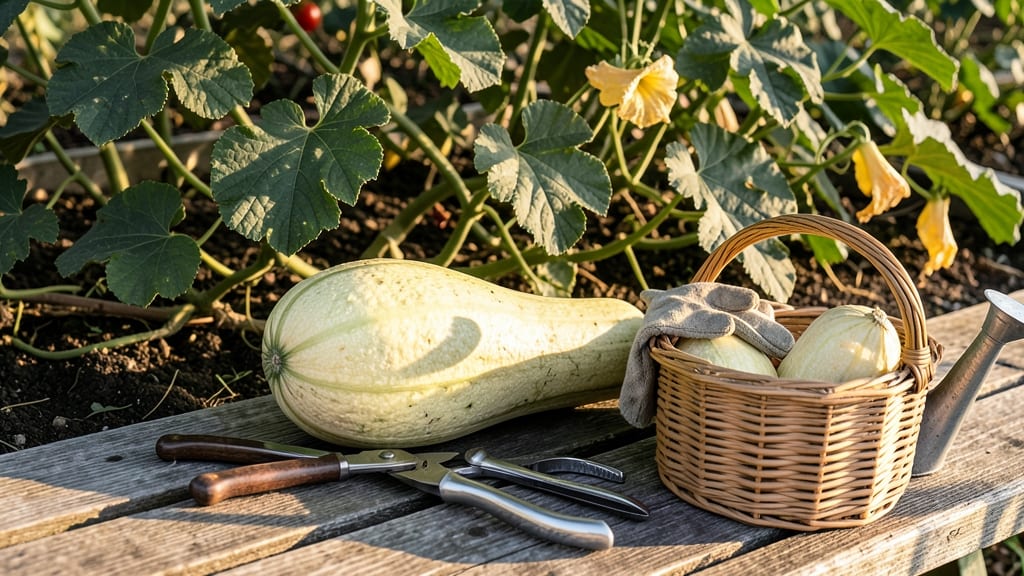
Harvesting spaghetti squash at the right time turns tough, stringy flesh into tender, string-free strands perfect for your favorite pasta dish.
Picture this: you’ve nurtured your 🍠 from seed, and now the moment of truth arrives. One wrong move, and you’re left with a hollow center or bitter flavor. But get it right, and you’ll enjoy a harvest that’s sweeter, creamier, and far more satisfying than store-bought.
The ideal spaghetti squash harvest time falls between late summer and early fall—typically 80 to 100 days after transplanting—when the rind turns a dull yellow and the stem end hardens. These visual cues, paired with the right seasonal timing, ensure you dig up squash at peak tenderness.
In this guide, I’ll walk you through the exact signs to watch for, regional adjustments for USDA Zone 6a, and post-harvest tips to keep your harvest fresh longer. No more guessing—just perfect, restaurant-quality squash every time.
Spaghetti squash harvest time: exact days & signs to dig
Timing your spaghetti squash harvest correctly ensures you get that tender, string-free flesh perfect for roasting or salads. Most varieties reach maturity in 50-60 days after transplanting, but counting days alone isn't enough—you'll also need to watch for key visual cues.
Missing these signs can lead to overripe squash with bitter flavors or underripe ones that turn mushy when cooked.
First, understand that spaghetti squash thrives in warm-season climates (USDA zones 4-10) and typically matures between late summer and early fall. In my garden, I've found that September-October is the prime harvest window, but this shifts slightly based on your last frost date.
For example, gardeners in Zone 5 might harvest a week later than those in Zone 8.
| Harvest Indicator | What to Look For | Action Required |
|---|---|---|
| Days After Transplanting | 50-60 days (standard varieties) | Check for other maturity signs |
| Skin Color | Dull yellow (not shiny green) | Harvest when 75% of skin turns matte |
| Rind Hardness | Hard when pressed (like a pumpkin) | Avoid harvesting if skin dents easily |
| Stem Changes | Dries out, turns brown and woody | Check stem end for hardness |
| Vine Condition | Yellowing leaves, dying back naturally | Harvest before frost kills vines |
| Weight Test | Feels heavy for its size | Lift squash to check density |
| Sound Test | Solid thud when tapped | Avoid if it sounds hollow |
The most reliable method I've found is combining days after transplanting with visual maturity signs. For example, my 'Golden Spaghetti' variety typically matures in 55 days, but I always wait until the skin turns completely dull yellow before harvesting.
This simple color change tells me the starch conversion inside is complete, ensuring that perfect stringy texture.
Don't rely solely on the calendar—overripe squash develops a hollow center and bitter taste, while underripe ones remain tough and fibrous. I once harvested too early because I trusted the day count, and my squash turned out stringy and bland.
Since then, I double-check by pressing the rind with my thumb—if it doesn't dent, it's not ready yet.
Another pro tip: pay attention to the stem end. When it turns hard and woody (like a pencil), that's your final green light. I also look for natural vine dieback—healthy vines should start yellowing and drying out as the squash matures.
This is nature's way of telling you it's harvest time, and I never ignore it.
Regional variations matter too. In hotter climates (Zones 9-10), spaghetti squash may mature faster—sometimes in as few as 45 days—while cooler zones (4-6) might need an extra week.
Last year, my neighbor in Zone 4 had to wait until mid-October because of late frosts, while I harvested mine by early September in Zone 7.
One mistake I see often is harvesting based on size alone. A large squash isn't necessarily ripe—it could just be overwatered or over-fertilized. Always prioritize the rind color and hardness over the squash's size.
I've had small but perfectly ripe squash that tasted amazing, and giant but underripe ones that were a disappointment.
If you're growing spaghetti squash in containers, watch for these signs even more closely since potted plants can mature slightly faster due to warmer root zones. I've found that container-grown squash often ripens 3-5 days earlier than in-ground plants, so adjust your expectations accordingly.
Once you've confirmed all the right signs, it's time to harvest. Use a sharp knife or pruners to cut the squash from the vine, leaving a 1-inch stem attachment to help with storage. Handle them gently to avoid bruising—those dark spots won't disappear, even if the squash itself stays fresh.
How to harvest spaghetti squash without damaging the plant
Once your spaghetti squash reaches peak ripeness, harvesting it properly ensures you preserve its tender texture and avoid bruising the plant. The key is timing—cut the vine at the right moment and handle the fruit with care to maintain quality.
I’ve learned that even a small nick can invite rot, so I always use a sharp knife and clean tools to minimize damage.
Start by selecting squash that show all the visual ripeness cues: a dull yellow rind, a hard stem end, and vines that have begun to yellow. These signs mean your squash is ready for harvest, but rushing or waiting too long can ruin the flavor and texture.
I’ve made this mistake before, and trust me—overripe squash turns bitter and hollow.
Here’s my step-by-step guide to harvesting spaghetti squash without harming the plant or compromising the fruit’s quality:
After harvesting, I always store my squash in a cool, dark place with good airflow, like a basement or pantry. This keeps them fresh for up to 3 months, though I usually use mine within a few weeks for the best texture.
If you’re not ready to cook them right away, storing them properly is the secret to avoiding waste.
One pro tip I’ve learned is to avoid washing the squash until you’re ready to cook it. Moisture speeds up rot, so a quick wipe with a damp cloth is all you need before storing.
And if you’re dealing with a bumper crop, spaghetti squash freezes beautifully—just scoop out the seeds and strands, blanch them for 2 minutes, and store in airtight containers.
With these steps, you’ll harvest spaghetti squash like a pro—no more guesswork, no more damaged plants, and no more tough, stringy flesh. Happy harvesting! 🌱