
Vegetables
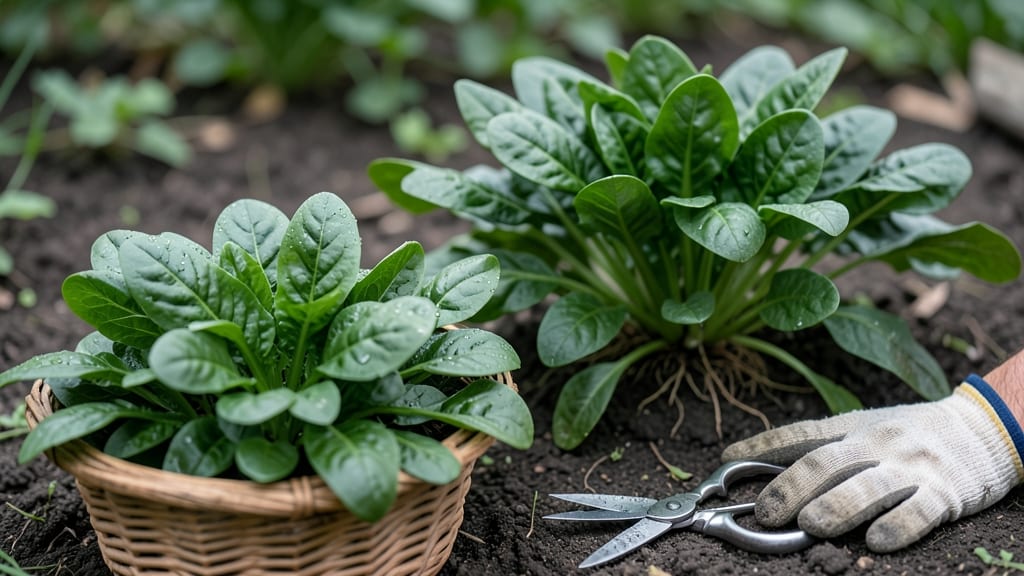
Harvesting spinach at the right time means tender, flavorful leaves every time—30 to 60 days after planting, depending on whether you want baby greens or full-size leaves.
Picture this: you’ve nurtured your 🍃 spinach for weeks, only to wonder, "Is it ready yet?" Picking too early wastes potential, while waiting too long risks tough, bitter greens. The secret lies in leaf size, color, and how easily they separate from the stem.
For home gardeners in Zone 6a, timing matters even more—spring plantings need attention in April-May, while fall harvests stretch into October. Below, I’ll walk you through the three key signs your spinach is begging to be picked, plus how to keep the harvest going all season.
You’ll learn not just when to harvest, but how—cutting techniques that protect future growth, and simple tricks to extend your spinach’s productivity. No more guessing, just consistent, delicious greens from your garden.

3 Clear signs your spinach is ready for harvest
Harvesting spinach at the right time ensures tender, flavorful leaves packed with nutrients. Unlike some vegetables, spinach doesn’t get sweeter as it matures—it can quickly turn bitter or tough if left too long in the ground.
The key is recognizing three clear visual and tactile cues that signal your spinach is ready for picking. These signs apply whether you're growing baby leaves (30 days) or mature leaves (50-60 days).
First-time growers often wonder if they should wait until leaves reach a certain size. The truth is, leaf size varies by variety, but most spinach is harvest-ready when leaves measure between 4-6 inches long.
For baby spinach, you can start harvesting even earlier—around 3-4 inches—for a more delicate texture. Pay attention to the leaf edges: crisp, smooth edges indicate readiness, while jagged or curled edges suggest stress or bolting.
Mature leaves should reach 4-6 inches long. Baby leaves can be harvested at 3-4 inches for tender bites. Measure from the base of the leaf to the tip.
Ready-to-harvest leaves are a rich, deep green. Pale or yellowish leaves indicate nutrient deficiency, while reddish veins signal stress or bolting.
Gently pinch the leaf stem near the base. If it snaps cleanly (not pulls out), the leaf is ready. A resistant stem means it’s not mature enough.
Color is another critical indicator. Dark green leaves are a sure sign your spinach is ready, while pale or yellowing leaves mean it’s time to check your soil’s nutrient levels.
If you notice reddish veins or stems, your spinach may be bolting—a sign it’s transitioning to flower, which makes the leaves bitter. This often happens when days get longer (common in late spring) or when temperatures rise above 75°F (24°C).
Don’t overlook the tactile test: the stem’s firmness tells you more than you might think. A ready-to-harvest leaf should separate easily from the stem with a clean snap. If you’re tugging or the leaf resists, it’s not quite time.
This test is especially useful for mature spinach varieties, like 'Giant Winter' or 'Bloomsdale Long Standing,' which can grow larger and tougher if left unchecked.
For baby spinach varieties like 'Baby’s Leaf Hybrid' or 'Tyee,' you can start harvesting as early as 30 days after sowing. These varieties are bred for quick growth and tender leaves, so size is less critical than color and texture.
If you’re growing spinach in containers or raised beds, check leaves more frequently since they may mature faster due to better soil drainage and warmth.
One common mistake is waiting until all leaves are fully grown before harvesting. Instead, harvest outer leaves first to encourage regrowth. This method works for both spring and fall plantings.
By picking a few leaves at a time, you can extend your harvest by 4-6 weeks, especially in cooler climates. Just avoid removing more than one-third of the plant at once to prevent stress.
Seasonal timing also plays a role. In spring plantings, harvest in April-May before temperatures climb. For fall plantings, aim for October-November harvests before the first frost.
If you’re in a warm climate, like USDA Zone 8 or higher, you can grow spinach year-round, but always prioritize these three key signs over calendar dates.
Pro tip: Harvest in the morning after dew has dried but before the sun gets too intense. This ensures your leaves stay crisp and hydrated. Store harvested spinach in the fridge for up to 5 days in a perforated plastic bag, or wash and use immediately for the freshest flavor.
If you’re growing spinach for multiple harvests, water deeply the day after picking to encourage new growth.
Remember, spinach is a cut-and-come-again crop, meaning it regrows after harvest—if you give it the right conditions. By mastering these three clear signs, you’ll enjoy a steady supply of fresh, tender spinach all season long. Happy harvesting! 🍃
How to harvest spinach without damaging future growth
Harvesting spinach correctly ensures you get tender leaves while keeping your plants productive. The key is using the right techniques to avoid stressing the plant—especially in Zone 6a where spring and fall harvests demand precision.
I’ve found that cutting outer leaves first preserves the plant’s energy for regrowth, while improper methods can trigger bolting or stunted growth.
Seasonal timing also plays a role: spring harvests in April-May benefit from cooler weather, while fall harvests in October-November require gentle handling as temperatures drop. Using the right tools—like sharp pruning shears or clean scissors—makes all the difference in keeping cuts clean and reducing disease risk.
Step-by-Step Spinach Harvest Guide
- Step 1: Wait until leaves reach 4–6 inches and are dark green. This ensures tenderness while allowing regrowth.
- Step 2: Use clean pruning shears or sharp scissors to cut leaves at the base, leaving 1–2 inches of stem attached.
- Step 3: Harvest outer leaves first, working inward to avoid overcrowding the plant’s center.
- Step 4: Avoid pulling leaves—this can uproot the plant. Always cut cleanly to prevent damage.
- Step 5: In hot weather, harvest in the morning when leaves are crispest and bolting risks are lowest.
- Step 6: After harvest, water deeply to replenish moisture and apply a light nitrogen fertilizer to encourage new growth.
For continuous harvests, I recommend picking every 2–3 weeks during peak growing months. This method keeps your spinach producing for weeks, especially if you stagger plantings every 2 weeks. Just be mindful of bolting—spinach bolts when stressed by heat or drought, so consistent care is key.
Pro tip: If your spinach starts to flower, it’s past its prime. Harvest immediately and compost the plant to avoid reseeding. For longer harvests, opt for savoy spinach varieties, which are more cold-tolerant and less prone to bolting.
With these techniques, you’ll enjoy a steady supply of fresh spinach while keeping your plants thriving—no bitter surprises or wasted effort. Happy harvesting! 🌱