
Picking
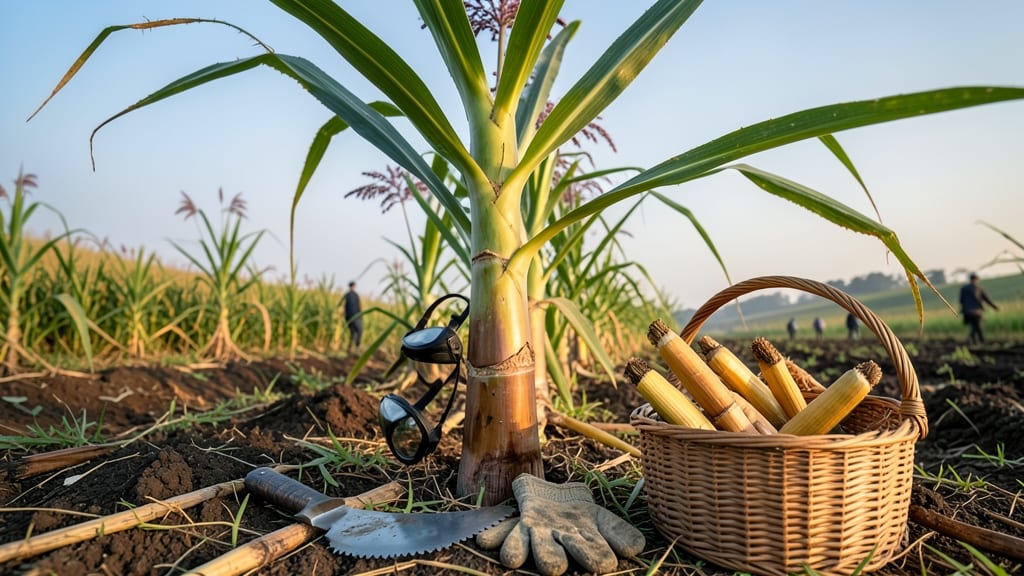
Harvesting sugarcane at the right time—when stalks reach 3-4 inches in diameter—determines whether you end up with a sweet, high-yield crop or a bitter disappointment.
Timing your harvest perfectly isn’t just about waiting for the stalks to grow thick enough—it’s about catching them at the peak of their sugar content, before they start drying out or losing quality.
In General (Tropical/Subtropical Regions), where sugarcane thrives year-round, the window for harvest can vary widely depending on climate, soil, and even the specific variety you’re growing.
You might think all you need to do is wait until the stalks look mature, but there’s more to it than meets the eye. The color of the leaves, the firmness of the stalk, and even the time of year all play a role in deciding when to cut.
Get it wrong, and you could be left with stalks that are either too fibrous or too watery to be worth processing.
In this guide, I’ll break down exactly how to tell when your sugarcane is ready to harvest—from checking stalk diameter to spotting the right leaf color—and share tips for maximizing yield and sugar content, no matter where you’re growing.

How to determine the ideal sugarcane harvest time by stalk diameter
Harvesting sugarcane at the right time ensures maximum sugar content and yield potential. The most reliable indicator is stalk diameter, where mature stalks should measure 3-4 inches across. This size typically occurs 12-24 months after planting, depending on your climate zone and variety.
For example, tropical varieties like Saccharum officinarum mature faster in warm regions, while subtropical types may take longer.
To accurately assess maturity, combine diameter measurements with visual cues. Start by selecting 5-10 healthy stalks from different sections of your field. Use a measuring tape or caliper to check their thickness at the base.
If most stalks fall between 3-4 inches, they're likely ready. Remember, sugarcane continues to grow after reaching this size, so don't wait too long!
Beyond diameter, watch for leaf color changes as a secondary indicator. Mature sugarcane leaves will develop dry, brown edges while maintaining some green in the center. The lower leaves will yellow first, followed by the upper leaves.
This drying process signals that the plant is redirecting energy to sugar accumulation in the stalks rather than leaf growth.
Another key visual cue is the stalk color near the base. Immature stalks appear green and glossy, while mature ones develop a golden-yellow or brown hue. This color change occurs as the chlorophyll breaks down and sugars concentrate.
For best results, harvest when at least 70% of stalks show these color changes in your field.
| Maturity Indicator | Ready Signs | Not Ready Signs | Action Needed |
|---|---|---|---|
| Stalk Diameter | 3-4 inches at base | Less than 2.5 inches | Wait 2-4 weeks |
| Leaf Color | Dry brown edges, green centers | Fully green leaves | Monitor weekly |
| Stalk Color | Golden-yellow/brown base | Green and glossy | Provide more sunlight |
| Stalk Firmness | Hard and woody | Soft and fibrous | Check nitrogen levels |
| Leaf Detachment | Lower leaves dry easily | Leaves stay attached | Reduce water slightly |
One common mistake gardeners make is relying solely on stalk diameter without checking other maturity signs. For instance, some varieties may reach 3-4 inches but still have low sugar content if grown in cooler temperatures.
Always verify with leaf color and stalk firmness to avoid harvesting immature crops. I once harvested a field where stalks measured perfectly but tasted bitter—turns out they needed 2 more weeks of sun exposure!
Timing your harvest correctly also depends on your specific sugarcane variety. Some modern hybrids like CP 78-1624 mature faster (around 12 months) than traditional types like Co 86032, which may take 18-24 months.
Always check your variety's maturity guidelines from seed suppliers. For example, Florida growers often harvest CP varieties in early spring, while Louisiana farmers may wait until late fall for traditional types.
When checking stalk firmness, press gently near the base. Mature stalks should feel hard and woody, similar to a bamboo stalk. Immature ones will be soft and fibrous, indicating they need more time. This test works best in the morning when stalks are firmest.
If you're unsure, cut a stalk open—mature sugarcane has a dense, sweet interior with minimal watery sap, while immature stalks are juicy and less sweet.
Avoid harvesting during heavy rainfall or high humidity, as wet conditions can lead to disease spread and lower sugar quality. Plan your harvest for dry, sunny days when temperatures are mild (ideally 70-85°F).
In tropical regions, early morning harvests prevent stalks from wilting in the heat. I've found that harvesting between 6-9 AM gives the best results for both yield and sugar content.
Finally, don't forget to rotate your harvest area if growing multiple crops. Sugarcane depletes soil nutrients quickly, so crop rotation with legumes or cover crops can improve future yields. After harvest, cut stalks 1-2 inches above ground and leave the stumps for regrowth if you plan to harvest again.
This practice can extend your sugarcane's productive life by 2-3 additional years.
With these diameter measurements, visual cues, and timing tips, you'll never miss the perfect sugarcane harvest again. The key is patience—waiting for stalks to reach 3-4 inches while monitoring other maturity signs ensures a sweet, high-quality crop every time. Happy harvesting! 🌾
Best sugarcane harvest seasons by climate zone (tropical vs. subtropical)
Sugarcane thrives in tropical and subtropical climates, but the harvest window shifts dramatically between regions. In Florida and Louisiana, where temperatures stay mild year-round, you’ll typically harvest between late fall and early spring—when stalks reach 3-4 inches in diameter and leaves begin drying.
Meanwhile, in India and Brazil, the harvest aligns with the dry season, usually from November to April, when sugar content peaks before heavy rains dilute it.
Temperature and rainfall play critical roles in maturity timing. High humidity and consistent warmth accelerate growth, while drought stress can prematurely harden stalks, reducing sugar quality. For example, in subtropical zones like Florida, a sudden cold snap can stall growth, delaying harvest by weeks.
In contrast, tropical regions like India experience year-round growth, but monsoon rains often dictate the harvest schedule to avoid waterlogged fields.
Here’s how climate zones affect your harvest timing:
In tropical regions like India, sugarcane growers rely on the onset of dry weather to signal harvest time. The stalks naturally stop elongating and sugar content rises as moisture decreases.
Meanwhile, in subtropical Florida, the first cool nights below 60°F trigger maturity, but you must act quickly—stalks can harden too fast if left unharvested. Always measure stalk diameter with a tape measure at the thickest point; anything under 3 inches will yield low sugar.
Rainfall also impacts harvest timing. In Brazil’s sugarcane belt, heavy rains before harvest can dilute sugar content and weaken stalks. Growers often delay cutting until the dry season to preserve quality.
Conversely, in Louisiana’s humid climate, excessive rain can lead to fungal diseases, so harvesters prioritize dry, sunny days to minimize spoilage. Always check the 7-day forecast before scheduling your harvest to avoid weather-related setbacks.
Pro tip: In regions with rotational harvests, like Puerto Rico, divide your field into sections and harvest every 2–3 weeks to maintain a steady supply of fresh stalks. This method ensures you’re always cutting at peak maturity while keeping labor and equipment efficient.
Whether you’re in a tropical paradise or a subtropical zone, timing your harvest to align with climate patterns is the key to maximizing yield and sugar quality.
🌾