
Vegetables
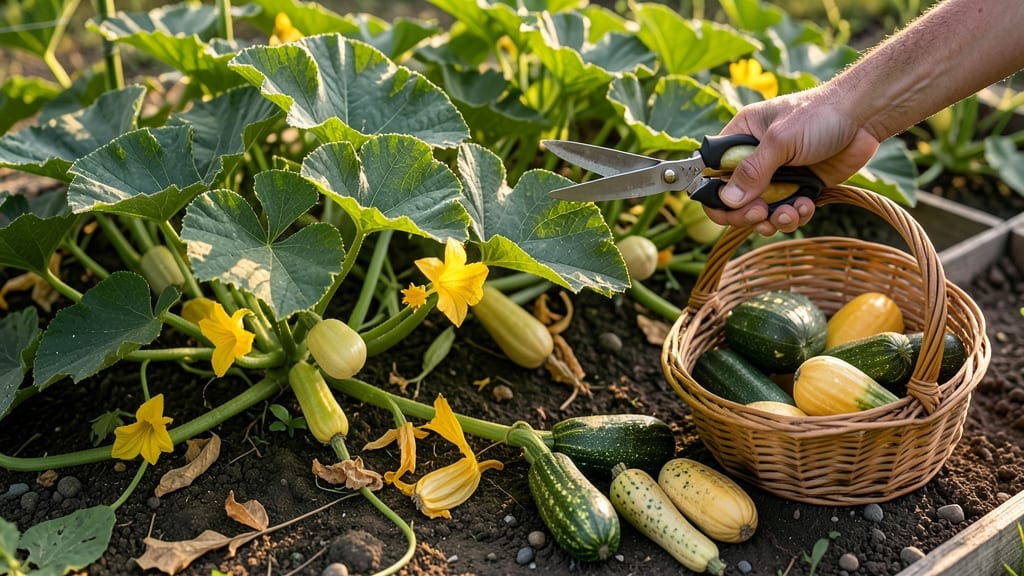
Harvesting summer squash at the right time transforms your garden’s bounty into tender, flavorful meals instead of tough, seedy disappointments.
Picking too early means waiting for flavor, but leaving it too long turns your 🎃 into a rock-hard mess. The difference between a perfect harvest and wasted effort often comes down to knowing three simple ripeness tests—and when to trust them.
Most gardeners check for size or color, but the real secret lies in the squash’s skin firmness and how easily it separates from the vine. Master these cues, and you’ll enjoy a steady supply of zero-waste squash all summer long.
Below, I’ll walk you through the exact moment to pick—plus how to handle overripe squash before it spoils—so your harvest stays fresh, flavorful, and frustration-free.
3 Exact ripeness tests to harvest summer squash at peak flavor
Summer squash like zucchini and yellow squash thrive when harvested at the perfect moment—too early, and they’re underdeveloped; too late, and they turn woody or seedy. The key lies in three science-backed ripeness tests that reveal when your squash is ready to pick.
Mastering these methods ensures maximum yield and zero waste in your garden.
Harvesting at the right time isn’t just about flavor—it’s about encouraging more production. Summer squash plants produce continuously, but overripe fruit signals the plant to stop flowering. By picking at peak ripeness, you keep your plant focused on generating new fruit instead of maturing old ones.
Let’s dive into the three foolproof tests every gardener should know.
🌱 3 Ripeness Tests for Perfect Summer Squash
-
1. Thumb Pressure Test
Gently press your thumb into the squash skin. If it yields slightly (like a ripe avocado), it’s ready. No give? Wait 2-3 days. Too soft? It’s overripe. -
2. Size Comparison
Most varieties hit peak flavor at 6-8 inches. Hold the squash next to a ruler or compare to a standard measuring tape. Smaller? Wait. Larger? Harvest now to prevent bitterness. -
3. Stem Separation
Gently twist the stem—it should snap cleanly at the base. If it resists, the squash needs more time. A stubborn stem means the plant isn’t ready to release the fruit yet.
Pro Tip: Check squash in the morning when skins are coolest for the most accurate pressure test results.
Color is another critical cue, though it varies by variety. Zucchini should be deep green (not pale or yellowing), while yellow squash should be bright and even-toned. Uneven coloring often means uneven ripening—harvest the most mature sections first to balance the plant’s energy.
Timing your harvest also depends on the variety. Pattypan squash, for example, ripens faster (often in 40-45 days) than standard zucchini (typically 50-60 days). Keep a harvest journal to track your plants’ unique rhythms.
Note when flowers appear and how long it takes for fruit to develop—this data becomes invaluable for future seasons.
One common mistake is waiting until squash outgrow their space. Crowded plants produce smaller, tougher fruit because they’re competing for nutrients. Thin out excess squash early (leave 1-2 per plant) to give remaining fruit room to grow. This simple step boosts size and sweetness dramatically.
For maximum yield, harvest every 2-3 days during peak production (usually July-August). Frequent picking encourages plants to produce more flowers and fruit. If you miss a harvest window, don’t panic—overripe squash can still be used (more on that in our next section!).
But for the best texture and taste, aim to pick when squash are firm, tender, and vibrant.
Regional differences matter too. In hotter climates (like USDA Zone 9+), squash may ripen faster due to accelerated growth. Conversely, in cooler zones, they might take longer. Adjust your harvest frequency based on your local growing season.
A quick rule: if your squash is growing faster than you can pick it, you’re in the sweet spot!
Finally, store harvested squash properly to preserve flavor. Keep them in a cool, dry place (not the fridge) for up to 1 week. Overripe squash? Don’t toss it—blanch and freeze for future soups or bread. Every part of the plant deserves to be used, from seeds to skins!
Master these three tests, and you’ll never waste another summer squash again. Your garden—and your dinner table—will thank you for the perfectly timed harvest every time. Happy gardening! 🌿
How often to check summer squash for optimal harvest windows
Summer squash grow fast—sometimes too fast—and missing the harvest window by even a day can turn tender fruit into tough, seedy disappointment. Unlike winter squash, which ripens slowly, summer varieties like zucchini and yellow squash need frequent monitoring.
But how often should you check? The answer depends on your plant’s growth speed, the variety, and your local climate.
For most gardeners, checking every 2-3 days during peak production (mid-summer) is ideal. This frequency ensures you catch squash at their peak ripeness before they outgrow their prime.
If you’re growing pattypan squash, which ripens faster (often in 40-45 days), you may need to check daily during their short harvest window. Meanwhile, standard zucchini (ready in 50-60 days) can tolerate slightly less frequent checks.
⚠️ Warning: Overripe Squash Signals
Ignoring these 3 key signs of overripeness can kill your plant’s productivity:
- 🌸 Wilted blooms: No new flowers mean the plant has stopped producing.
- 🎨 Dull, uneven color: Yellowing or pale spots indicate stalled ripening.
- ⚖️ Rock-hard skin: Pressing yields no give—it’s past its prime.
Once these signs appear, your plant will shift energy to seed production, reducing future harvests.
Adjust your harvest frequency based on the variety. Zucchini and yellow squash typically produce continuously, so daily checks during their peak 6-8 week window prevent overgrowth. Pattypan squash, however, have a shorter cycle—check every 1-2 days once flowers appear to avoid missing their brief harvest window.
Morning is the best time to check squash. Cooler temperatures make the skin firmer, giving you a more accurate thumb pressure test. If you spot a squash at 6-8 inches with a slightly yielding skin, harvest it immediately.
Waiting even a day can turn it woody and bitter. Pro tip: Use a small notepad to track which squash you’ve already picked—this prevents double-counting and helps you spot overlooked fruit.
Regional differences play a role too. In hotter climates (like USDA Zone 9+), squash ripen 30-50% faster due to accelerated growth. You might need to check daily during heatwaves.
In cooler zones, a weekly check may suffice until mid-summer, when growth speeds up. Always prioritize early morning checks—this is when squash are most firm and flavorful.
If you’re overwhelmed by a sudden squash surge, don’t panic. Thin out excess fruit early (leave 1-2 per plant) to give remaining squash space to grow. This simple step boosts size and sweetness while reducing the need for daily harvests.
For storage, keep harvested squash in a cool, dry place (not the fridge) for up to 1 week. Overripe? Turn it into bread, fritters, or pickles—zero waste guaranteed!
Mastering the harvest rhythm turns summer squash from a high-maintenance chore into a rewarding routine. With consistent checks and quick action, you’ll enjoy a steady supply of tender, flavorful squash all season long. Happy harvesting! 🌿