
Vegetables
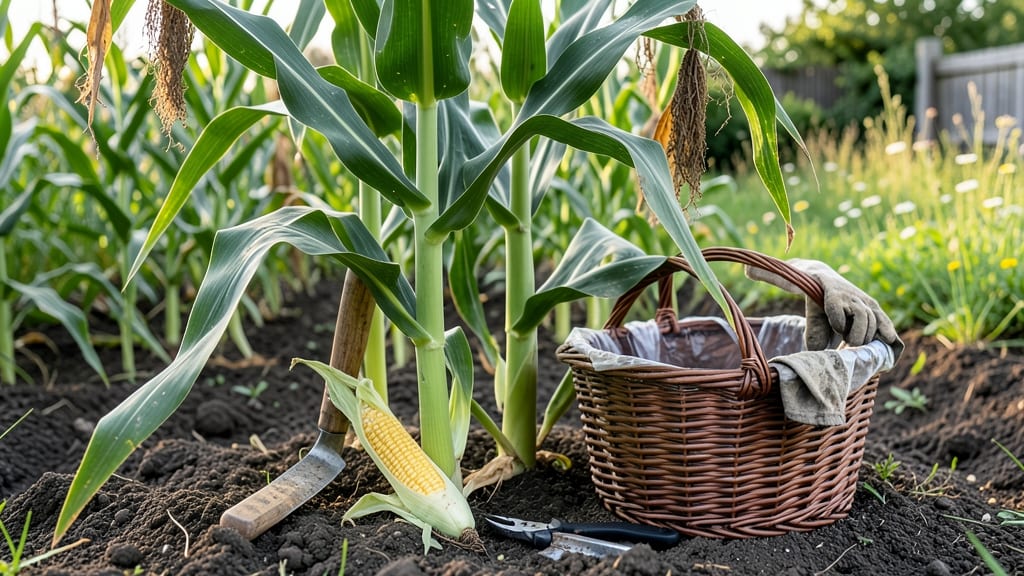
Harvesting sweet corn at the right time 🌽 turns your garden into a summer treat factory—but miss the window, and you’ll end up with tough, starchy kernels instead of tender, juicy bites.
Nothing beats the taste of freshly picked sweet corn straight from your garden, but timing is everything. Harvest too early, and you’ll miss peak sweetness; too late, and you’ll get tough, starchy kernels.
Here’s how to master the sweet corn harvest time window and go from silks to ripe ears in just 7 days.
Most gardeners wait for the silks to turn brown and the kernels to reach the "milk stage"—that creamy, translucent look that signals peak flavor. But climate, variety, and even your planting date can shift that window by a week or more.
We’ll break down the exact cues to watch for, plus regional tweaks to keep your ears sweet and ready for the cob.
You’ll also discover how to extend that harvest window with simple tricks—like shading or adjusting watering—so you can enjoy fresh corn for days beyond the ideal pick. No more guessing, no more wasted ears: just perfect, buttery-sweet corn every time.

How to identify the perfect sweet corn harvest time
Mastering the sweet corn harvest time means watching for three key visual cues: tassel color, silk dryness, and kernel development. The 7-day window from silking to peak ripeness is your golden opportunity—miss it, and you’ll sacrifice that buttery sweetness.
Here’s how to spot the perfect moment when your ears are ready to pick.
First, check the tassels at the top of your corn plants. When they turn brown and dry, this signals that pollen has successfully fertilized the silks below.
This process usually happens 1-2 days before the ears reach peak sweetness. If the tassels are still green or moist, your corn needs more time to mature.
Silk dryness is your next clue. Fresh silks start bright green and silky, but as they dry, they turn brown and brittle. Run your fingers along the silks—if they crumble easily, your corn is ready. However, if they’re still damp or sticky, wait 2-3 more days before checking again. Overlooking this step means risking starchy, less sweet kernels.
Now, it’s time to examine the kernels themselves. Pierce a kernel with your fingernail—if it releases a milky white liquid, that’s the milk stage, the sweetest point for harvest. If the liquid is clear or yellowish, your corn has passed its prime and is converting to starch.
This transition happens quickly, so act fast once you spot that milky goodness.
Don’t forget to give the ear a gentle squeeze. A ready-to-harvest ear should feel firm but not rock-hard. If it feels soft or mushy, it’s overripe and likely past its sweetness peak.
On the flip side, if it’s too hard, it’s not yet ready. This tactile check ties everything together—combining what you see with what you feel ensures you’re picking at the perfect moment.
| Cue | What to Look For | Action |
|---|---|---|
| Tassel Color | Brown and dry | Check silks next |
| Silk Dryness | Brown and brittle | Test kernels |
| Kernel Stage | Milky white liquid | Harvest immediately |
| Ear Firmness | Firm but not hard | Pick and enjoy |
Regional climate variations can shift your sweet corn harvest time by a week or more. In cooler climates, like the Pacific Northwest, corn may take 10-14 days longer to reach maturity compared to warmer regions like the Southeast.
Always adjust your timeline based on your local last frost date and average temperatures during the growing season.
If you’re growing multiple sweet corn varieties, pay attention to their maturity labels. Early-season varieties like ‘Silver Queen’ or ‘Peaches and Cream’ mature in 60-70 days, while late-season types like ‘Black Aztec’ can take up to 90 days.
Planting a mix of varieties spaced 2 weeks apart can extend your harvest window by several weeks, ensuring a steady supply of fresh ears.
Once you’ve identified the perfect ear, harvest it by twisting gently at the base until it separates cleanly from the stalk. Avoid cutting the stalk with shears, as this can damage the plant and reduce future yields.
After harvesting, store corn in the fridge for up to 5-7 days to preserve its sweetness. For longer storage, blanch and freeze the ears whole or cut into kernels.
Timing is everything when it comes to sweet corn harvest time, but don’t stress if you miss the window by a day or two. Even slightly overripe corn can be transformed into delicious cornbread or chowder—though nothing beats that first bite of garden-fresh sweetness at its peak.
With these cues, you’ll be a sweet corn harvesting pro in no time! 🌽
Sweet corn varieties and their ideal harvest times
Not all sweet corn is created equal—and neither are their harvest windows. The three main types—standard, sugar-enhanced, and supersweet—each have unique ripening timelines.
Choosing the right variety for your climate zone and planting date can mean the difference between tender, buttery kernels and tough, starchy disappointment.
For example, early-season varieties like 'Silver Queen' mature in just 60-65 days, perfect for cooler regions or short growing seasons. Meanwhile, late-season giants such as 'Peaches and Cream' take 85-90 days, thriving in warm climates with longer summers.
Even within the same variety, a 5°F temperature drop can delay ripening by 3-5 days, so knowing your local frost dates is key.
| Variety Type | Days to Maturity | Harvest Window | Climate Notes | Best For |
|---|---|---|---|---|
| Standard (e.g., 'Country Gentleman') | 70-75 days | Silks brown → kernels milky (3-5 days) | Tolerates cooler temps; stores longer | Long seasons, canning |
| Sugar-Enhanced (e.g., 'Ambrosia') | 65-70 days | Silks brown → kernels creamy (2-3 days) | Needs warm soil; sweeter but shorter shelf life | Fresh eating, short seasons |
| Supersweet (e.g., 'Peaches and Cream') | 75-85 days | Silks brown → kernels translucent (1-2 days) | Heat-loving; harvest within 24 hours of ripeness | Hot climates, immediate eating |
| Early Varieties (e.g., 'Golden Bantam') | 55-60 days | Silks brown → kernels firm (1-2 days) | Cold-hardy; ideal for Zone 3-5 | Short seasons, early harvests |
| Late Varieties (e.g., 'Temptation') | 85-90 days | Silks brown → kernels doughy (5-7 days) | Needs long, hot summers; Zone 6+ | Extended harvests, storage |
Your planting date also shifts the harvest timeline dramatically. If you sow seeds in late May instead of the ideal mid-April, expect ears to ripen 2-3 weeks later.
Conversely, early plantings in March (where frost-free) can yield harvests as early as June—just time it so silks brown before July heat waves cause kernels to convert to starch faster.
Pro tip: Supersweet varieties lose sweetness faster after ripening, so harvest them within 24 hours of silks turning brown. Meanwhile, standard varieties can wait 3-5 days post-silking without losing quality.
This is why gardeners in Zone 7+ often plant a mix—early supersweets for June feasts and late standards for August storage.
Climate plays a sneaky role too. In humid Southern gardens, ears may ripen 10-14 days earlier due to faster silk drying. But in dry Western climates, silks can take 7+ days to brown, extending the harvest window.
Always adjust your 7-day harvest countdown based on local weather forecasts, especially during unpredictable spring rains or heat domes.
Mastering these variety-specific windows ensures you’ll always pull ears at peak sweetness—no more woody kernels or shriveled cobs. Start with early supersweets for June harvests, then transition to late standards for August feasts, and you’ll have fresh corn on the cob for nearly 3 months straight.