
Vegetables
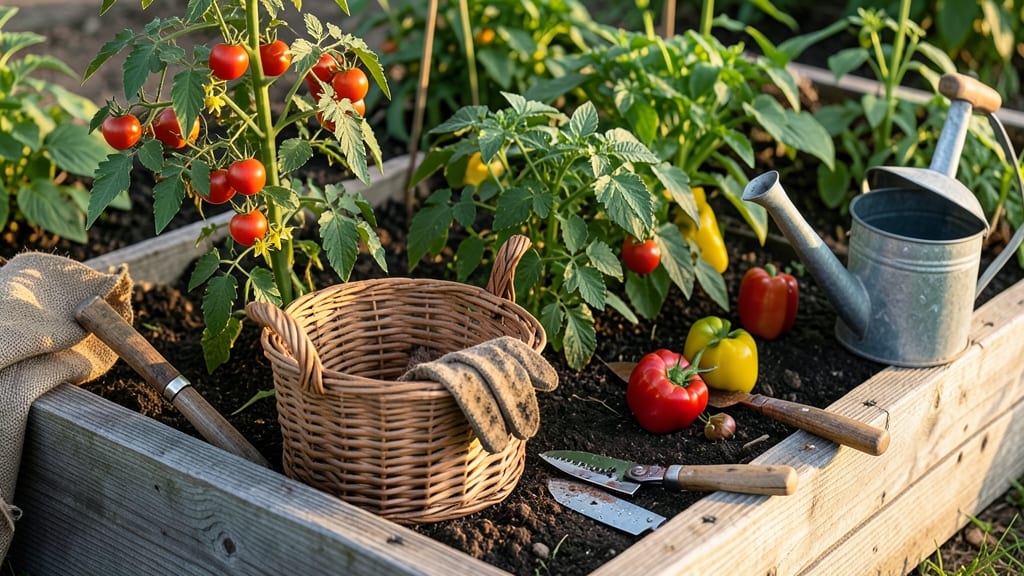
Knowing the exact vegetable harvest times for each variety is the difference between sweet, tender produce and tough, bitter disappointment.
Picture this: you’ve nurtured your garden all season, only to pull a carrot that’s woody or a tomato that’s mealy. Timing is everything, and the right moment varies wildly—from 30 days for radishes to 120 days for winter squash. Miss it, and you’re left with wasted effort or subpar flavor.
This guide cuts through the guesswork with precise harvest windows for 20+ common vegetables, plus the visual cues (color, size, texture) that confirm readiness. Whether you’re in a short-season climate or a long, warm growing area, you’ll learn how to adjust for your zone and extend your harvests longer.
By the end, you’ll never second-guess when to pick again—just grab your basket and enjoy the rewards of perfect timing, every time.


Exact harvest times for common vegetables from seed to table
Knowing the precise harvest window for your vegetables transforms your garden from a guessing game to a bountiful harvest. Each variety has a distinct timeline from seed to table, influenced by factors like temperature, soil conditions, and even your USDA hardiness zone.
For example, leafy greens like spinach mature in just 30-40 days, while tomatoes can take 60-90 days depending on the variety. Let’s break down the exact days-to-harvest for 20+ popular vegetables, so you can plan your garden like a pro.
Understanding these timelines helps you avoid common mistakes like harvesting too early (resulting in underdeveloped flavor) or too late (leading to bolting or overripe produce). For instance, carrots left in the ground too long become woody, while green beans picked too late lose their tender snap.
Below, you’ll find a detailed guide with visual cues, size benchmarks, and harvest signs to ensure you pick your veggies at peak perfection.
Environmental factors play a huge role in these timelines. A cool-season crop like lettuce may mature faster in Zone 5 than in Zone 9, where heat can slow growth. Meanwhile, warm-season crops like peppers thrive in longer daylight hours and warmer temperatures, extending their harvest window.
Below, we’ve organized vegetables by category—leafy greens, roots, fruits, and legumes—to make planning easier.
| Vegetable | Days to Harvest | Harvest Cues | Best For |
|---|---|---|---|
| Lettuce (Leaf) | 30-40 days | 6-8" tall, crisp leaves | Salads, sandwiches |
| Spinach | 35-50 days | 6-12" tall, dark green | Stir-fries, smoothies |
| Carrots | 60-80 days | 1/2-1" diameter, vibrant orange | Roasting, raw snacks |
| Radishes | 25-30 days | 1-2" diameter, firm texture | Pickling, salads |
| Tomatoes | 60-90 days | Deep color, slight give when squeezed | Sauces, sandwiches |
| Cucumbers | 50-70 days | 6-8" long, firm skin | Salads, pickling |
| Bell Peppers | 60-90 days | Firm, glossy skin, deep color | Stuffing, grilling |
| Green Beans | 50-60 days | 4-6" long, tender pods | Steaming, stir-fries |
| Zucchini | 45-55 days | 6-8" long, shiny skin | Baking, grilling |
| Broccoli | 50-70 days | <