
Picking
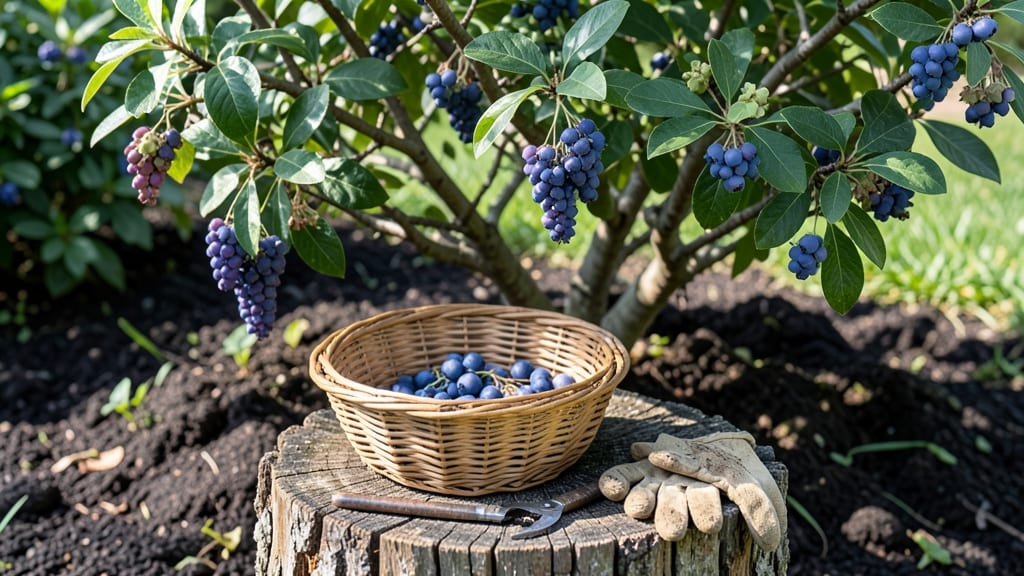
Harvesting blueberries at the right time means capturing their peak flavor—when they’re deeply colored, plump, and bursting with sweetness 🫐.
Picking too early leaves you with tart, underripe berries, while waiting too long risks attracting birds or ending up with mushy, overripe fruit. But how do you tell when those tiny clusters are finally ready?
Most blueberries ripen in July and August, but the exact timing depends on your variety and climate zone—especially in Zone 6a. The key is knowing the three simple touch tests that guarantee perfect ripeness.
In this guide, I’ll walk you through how to check color, firmness, and stem detachment, plus the best time of day to pick for maximum flavor. No more guesswork—just juicy, sweet blueberries every time.


3 Touch tests to determine blueberry ripeness (with photos)
Blueberries are ready to pick when they reach their peak flavor and texture, but many gardeners struggle to tell the difference between underripe and perfectly ripe berries. The key lies in your fingertips—three simple touch tests reveal whether those tiny fruits are ready for harvest.
These methods rely on science-backed tactile cues that go beyond just color, helping you avoid the pitfalls of picking too early or too late.
First, let’s address the color myth. While blueberries often turn blue or purple when ripe, some varieties (like red or pink types) stay their natural hue. That’s why touch tests are your secret weapon.
These methods work for all varieties and help you consistently identify ripeness, even in low light or when berries are partially shaded.
Here’s the comparison-table breaking down the three touch tests, so you can visualize the differences between underripe, perfectly ripe, and overripe blueberries:
The firmness test is your first line of defense. Gently press a berry between your thumb and forefinger—perfectly ripe blueberries should feel firm yet slightly yielding, like a ripe avocado.
If it’s as hard as a pebble, it’s underripe. If it squishes like jelly, it’s overripe and prone to bird damage or mold.
Next, try the squeeze test. Grip a berry gently and apply light pressure—ripe blueberries will leave a small, temporary dent that bounces back. This indicates the ideal sugar-to-acid balance. Overripe berries, however, will permanently deform or even leak juice, signaling they’ve passed their prime.
Finally, the stem test is a game-changer. Give a berry a quarter-turn twist—if it detaches cleanly from the stem, it’s ready to eat. Underripe berries will resist detachment, while overripe ones may plop off with minimal effort or leave a torn stem behind.
This test is especially useful for high-bush varieties, where berries ripen unevenly.
Pro tip: Harvest in the morning when temperatures are cooler. Blueberries are firmer and less prone to bruising after a chilly night, making the touch tests even more accurate. Plus, you’ll avoid the midday heat stress that can cause berries to soften prematurely.
Remember, uneven ripening is normal—blueberries on the same bush can vary by days or even hours. Pick cluster by cluster, focusing on the plumpest, deepest-colored berries first. This staggered harvesting ensures you get the most flavorful yield from your shrubs.
Once you master these three touch tests, you’ll never second-guess when to harvest again. Your blueberries will taste sweeter, juicier, and more vibrant, and you’ll spend less time dealing with pests or spoiled fruit. Happy picking!
Best time of day and season to harvest blueberries for maximum flavor
Timing is everything when harvesting blueberries—picking at the wrong moment can turn sweet, juicy berries into bland or mushy disappointments. The best time to harvest depends on seasonal cues, temperature, and even the time of day you pick.
In Zone 6a, most varieties ripen between mid-July and August, but early-season types like 'Bluecrop' may start as early as June.
Early-morning harvests yield the sweetest flavor because overnight cooling intensifies sugar development. Avoid picking after hot afternoons, when berries can taste sharper and more tart. If you must pick later in the day, choose shady spots where berries stay cooler and retain their sweetness.
Seasonal timing also varies by variety. Northern highbush types (like 'Jersey') ripen first, while southern highbush varieties (like 'Misty') may extend harvests into early September. Always check your specific variety’s harvest window—some plants produce two crops per season!
| Factor | Optimal Condition | Why It Matters |
|---|---|---|
| Season | July–August (Zone 6a) | Peak ripening aligns with warm days and cool nights. |
| Time of Day | Early morning (5–9 AM) | Cooler temps preserve sweetness and texture. |
| Temperature | 60–80°F (15–27°C) | Ideal for sugar development and easy picking. |
| Variety | Early: June; Late: September | Adjust harvest timing based on your plant type. |
Temperature plays a crucial role in flavor. Blueberries develop their sweetest taste when daytime highs reach 70–80°F (21–27°C) and nights dip below 60°F (15°C). If temperatures soar above 90°F (32°C), berries may ripen unevenly or become mealy.
In cooler climates, late-season varieties like 'Patriot' can extend harvests into early October.
Pro tip: Harvest in stages—pick clusters every 2–3 days to avoid overloading your plants. Use a gentle twist to detach berries (no cutting stems!) and place them in a shallow container lined with paper towels to prevent bruising.
Store harvested berries in the fridge for up to 1 week to maintain freshness.
If you miss the peak window, don’t despair! Overripe blueberries still make great jam or baked goods, but for fresh eating, timing is key. Now that you know the best time of day and season, you’ll never miss another sweet, juicy bite again. Happy picking! 🫐