
How To
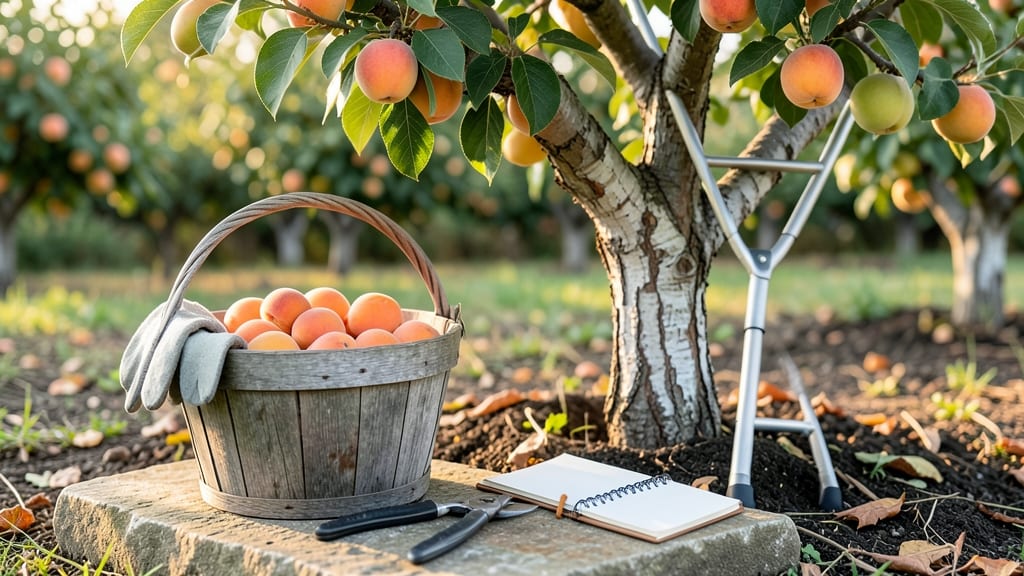
Harvesting apricots at the right time transforms a handful of fruit into a sweet, juicy bounty — and missing that window means either mealy disappointment or wasted trees.
Picture this: your 🍑 apricot tree is heavy with fruit, the air smells like summer, and you’re tempted to pick early. But how do you know when they’re truly ripe?
The answer lies in two simple tests: a color shift from green to golden-orange and a stem that twists free with just a gentle tug. Skip these cues, and you risk underripe tartness or overripe mushiness.
For gardeners in USDA Zone 6, timing matters even more. Late summer heat speeds up ripening, while cooler spells delay it — so knowing the exact moment to harvest isn’t just about taste, it’s about avoiding waste.
Below, I’ll walk you through the foolproof methods to catch apricots at peak flavor, plus regional adjustments to keep your harvest perfect every year.
You’ll learn how to test ripeness like a pro, spot the warning signs of overripe fruit, and even troubleshoot uneven ripening across your tree. No more guesswork — just sweet, ready-to-eat apricots when you need them.


How to identify perfectly ripe apricots using color and stem tests
Harvesting apricots at the wrong stage means sacrificing flavor and texture—underripe fruit tastes tart, while overripe fruit turns mealy. The key to perfect apricots lies in two simple tests: color shifts and the stem twist method.
These indicators work for all apricot varieties, from Blush to Royal, and help you avoid common mistakes like picking too early or leaving fruit hanging too long.
First, focus on the color transformation. Apricots start green and gradually turn to a vibrant orange-yellow hue. The exact shade depends on the variety—some develop a slight blush, while others stay golden—but the fruit should be fully colored with no green patches.
This shift signals the fruit has reached its sugar peak, making it ideal for eating fresh or preserving.
Here’s where many gardeners go wrong: they rely only on color, ignoring the stem test. A ripe apricot’s stem should twist and snap cleanly when you gently rotate it. If it resists, the fruit needs more time.
This test confirms the fruit’s internal ripeness, not just its appearance. I’ve seen apricots that looked perfect but tasted bland because they weren’t fully detached from the tree.
Troubleshooting inconsistent ripening is easier than you think. If some apricots ripen faster than others, it’s usually due to uneven sunlight exposure or tree maturity. Younger trees produce fruit that ripens unevenly, while older trees develop more uniform ripening.
To fix this, I recommend harvesting every 2-3 days during peak season, focusing on the ripest fruit first. This prevents overripe fruit from spoiling on the tree.
Another pro tip: harvest apricots in the morning after dew has dried. The cooler temperatures help preserve their sweetness and firmness. I’ve found that apricots picked in the heat of the day soften faster and lose flavor within hours.
Store them in a single layer at room temperature—never in the fridge, as cold temperatures destroy their texture and taste.
For varieties like Patio apricots, which are bred for container growing, the ripeness tests work the same way. However, these dwarf trees often ripen 1-2 weeks earlier than standard varieties.
Keep a close eye on them, especially in hot climates where fruit can overripen quickly. If you’re unsure, do the stem twist test—it’s the most reliable indicator of true ripeness.
One final warning: don’t confuse color intensity with ripeness. Some apricots, especially those grown in cooler climates, may never reach a deep orange hue but will still be perfectly sweet and ripe.
Always combine the color check with the stem test to avoid mistakes. When in doubt, wait another day—ripe apricots won’t get sweeter after harvest, but underripe ones improve slightly on the tree.
Mastering these two tests will transform your apricot harvests from hit-or-miss to consistently delicious. The next time you’re standing under your tree with a basket in hand, remember: color + stem twist = perfect apricots. Your taste buds will thank you! 🍑
Apricot ripening stages: when to pick by variety and climate
Timing your apricot harvest depends on variety and USDA zone, since climate dramatically shifts ripening windows. In hotter regions (Zones 8-10), apricots may ripen as early as mid-July, while in cooler zones (6-7), peak harvest often stretches into September.
Understanding these differences ensures you don’t miss the sweetest window or waste fruit that overripens on the tree.
The three most popular varieties—Blush, Royal, and Patio—each have distinct ripening patterns. Blush apricots typically mature 1-2 weeks earlier than Royal varieties, while Patio (dwarf) apricots often ripen 10-14 days ahead of standard trees.
These timing differences matter because delayed harvesting can lead to mealy texture or even fruit drop, especially during sudden temperature swings.
Temperature plays a crucial role in apricot ripening. In hot climates (Zones 9-10), fruit can ripen 2-3 weeks faster than in cooler areas, sometimes even reaching full color by late June.
Conversely, in Zone 6 or colder, apricots may not fully ripen until late September, especially if summer temperatures dip below 75°F. I’ve noticed that years with unusually warm springs can advance ripening by 10-14 days, while cool summers delay it.
For gardeners in transition zones (7-8), ripening can vary dramatically between tree locations. Apricots growing on south-facing branches often ripen 5-7 days earlier than those on north sides.
To account for this, I recommend checking fruit on multiple branches and harvesting in staggered batches over 7-10 days to capture the full ripening window.
One common mistake is assuming all apricots on a tree will ripen simultaneously. In reality, uneven sunlight exposure and tree age create ripening gradients. Younger trees may produce only 20-30% ripe fruit at peak harvest time, while mature trees often yield 80%+ ripe fruit in a concentrated window.
To maximize your harvest, prioritize picking fully colored fruit with stems that twist first, then return to the tree every 2-3 days for stragglers.
If you’re in a cooler climate and your apricots aren’t ripening by late August, don’t panic—some varieties simply need more time. In Zone 5 or colder, consider harvesting slightly underripe fruit (using the stem twist test) and letting it ripen indoors at room temperature for 3-5 days.
This works best for Royal apricots, which often hold their quality better when harvested early. Just avoid refrigerating them, as cold temperatures destroy their texture.
Remember: the sweetest apricots are those picked at the exact moment of ripeness, not a day before or after. With these variety-specific timelines and climate adjustments, you’ll transform your harvest from guesswork to guaranteed success. Now go enjoy that perfect, sun-ripened flavor! 🍑🌡️