
How To
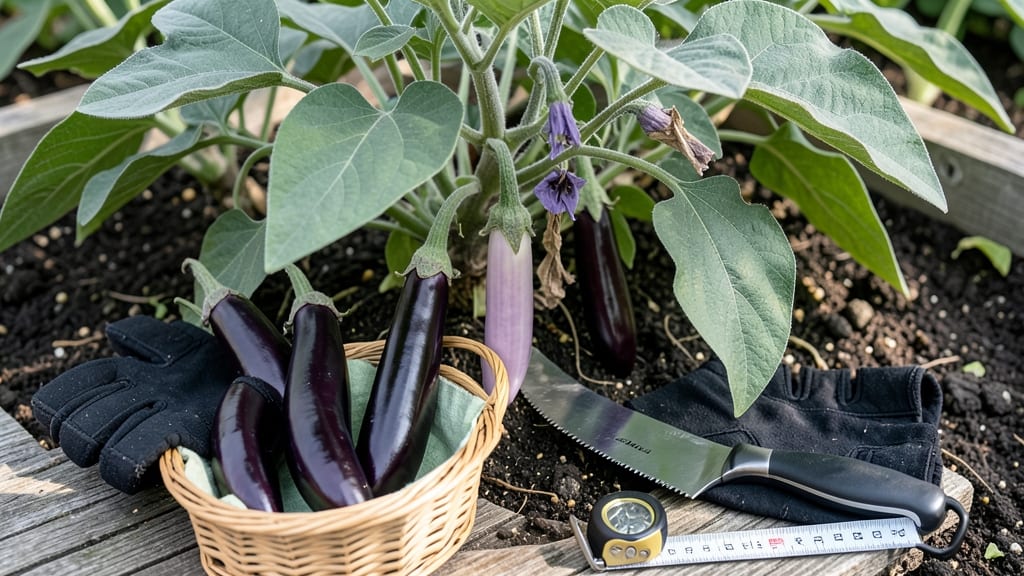
Harvesting Asian eggplant at the right time means the difference between a glossy, tender fruit 🍆 and a bitter, seedy disappointment.
Picture this: you’ve waited months for your plants to thrive, only to pick an eggplant that’s either too small and underdeveloped or overripe and woody. Timing is everything, and missing the window can turn your harvest into a flavorless gamble.
In USDA Zone 6, where spring planting kicks off around mid-April, your Asian eggplants will typically be ready between July and September—but that’s just the starting point. The real clues lie in the fruit’s firmness, color, and even the seed cavity.
A simple twist test or a peek at the skin’s gloss can tell you whether it’s time to harvest or hold off for another week.
Below, I’ll walk you through the exact cues to watch for, from size and color to the seed check method that guarantees peak flavor. You’ll never second-guess your harvest again.
How to visually identify perfect Asian eggplant harvest time
Harvesting Asian eggplant at the right time transforms your garden bounty from bland to bursting with flavor. Unlike Western eggplants, Asian varieties like Chinese eggplant or Japanese eggplant have distinct visual cues that signal peak ripeness.
Ignoring these signs often leads to bitter, seedy, or overly tough fruit that ruins dishes like stir-fries or grilled skewers.
The key to perfect timing lies in three visual checks: skin condition, size, and color depth. Mastering these will help you avoid the common mistake of harvesting too early (when they're still green and bitter) or too late (when seeds develop and texture degrades).
Let's break down each cue so you can confidently pick your eggplants at their prime.
Here’s how to compare unripe vs ripe Asian eggplants using simple visual cues you can spot in just seconds:
Pay special attention to the skin glossiness, which is your fastest visual cue. A ripe Asian eggplant should have a satin-like sheen, almost like polished dark wood. This gloss indicates the skin has developed its full flavor compounds and thickness.
Run your thumb gently over the surface—if it feels slick and resists your touch, it’s ready.
Size matters too, but don’t rely on it alone. Most Asian varieties reach 3-5 inches at peak ripeness, though some elongated types (like Okinawan eggplant) can grow longer. The length-to-width ratio should feel balanced—never elongated or squat. Use a ruler if you’re unsure; precision prevents wasted effort.
Color changes are subtle but critical. The deepening purple or black hue signals maturity, but avoid waiting until the eggplant looks faded or wrinkled. Some varieties (like Thai eggplant) stay lighter; focus instead on the intensity of color near the blossom end.
A dull or patchy appearance means it’s overripe.
Pro tip: Harvest on a dry, sunny morning when the skin is firmest. Use a sharp knife or pruners to cut the stem, leaving a ¼-inch stub to prevent disease.
This small detail keeps your plants healthy for continued production—Asian eggplants often yield multiple harvests per plant over several weeks.
If you’re growing in hotter climates (Zones 8-10), watch for accelerated ripening. Eggplants in these areas may go from perfect to overripe in just 3-4 days. Check plants every 2-3 days during peak summer heat to avoid missing the window.
The same goes for container-grown plants, which ripen faster due to limited root space.
One final visual trick: The stem twist test. Gently twist the eggplant near the stem—if it snaps cleanly with minimal resistance, it’s ready. If the stem pulls away with a green break, wait another 2-3 days.
This method works even for smaller varieties where size isn’t as clear-cut.
Mastering these visual cues turns guesswork into garden confidence. Soon, you’ll be harvesting Asian eggplants that shine in every dish—whether grilled, stir-fried, or stuffed. Happy harvesting! 🍆
The seed check method: why it matters for Asian eggplant flavor
When your Asian eggplant reaches the right size but you're still unsure if it's fully ripe, the seed check method is your secret weapon. This simple test reveals whether the fruit is ready to harvest or needs more time on the vine.
Skipping this step often leads to bitter, seedy eggplants that lack the tender, sweet flavor we all love.
Here's how it works: gently slice open an eggplant lengthwise and examine the seed cavity. If the seeds are small, soft, and barely visible, your eggplant is underripe.
But if you spot even a few developed seeds, it's time to harvest before the fruit becomes tough and flavor fades. This method is especially crucial for long, slender varieties like Japanese eggplants.
I’ve found that even experienced gardeners overlook this step, assuming size alone determines ripeness. But size doesn’t equal flavor—the seed cavity tells the real story. For example, a 4-inch eggplant with undeveloped seeds will taste harsher than a slightly smaller one with fully formed seeds.
The key is balance: harvest when seeds are present but still soft and white.
⚠️ Harvest Too Late = Flavor Sacrifice
Once seeds turn brown or black and the cavity fills with gel, your eggplant is overripe. The skin thickens, the flesh becomes woody, and bitterness creeps in. In USDA Zone 6, this typically happens 7-10 days after seeds first appear—so act fast!
To perform the seed check, use a sharp knife to cut the eggplant lengthwise through the stem end. Look for white, jelly-like seeds clustered in the center. If they’re tiny and sparse, wait 3-5 days and check again.
But if they’ve doubled in size, harvest immediately. Pro tip: Do this check on a cloudy morning when temperatures are cooler—it’s easier to see the seeds clearly.
This method also helps you predict future harvests. If your plants consistently produce eggplants with seeds that develop too quickly, they may need less water or shadier conditions to slow ripening.
I once grew a batch where seeds matured in just 50 days instead of the usual 60—turns out, the afternoon sun was overcooking them. Adjusting my watering schedule fixed the issue for the next season.
Remember, the seed check isn’t just about avoiding bad harvests—it’s about maximizing flavor. Eggplants harvested at this precise stage have thinner skins, softer flesh, and a sweeter taste that’s perfect for stir-fries or grilling.
Skip the seed test, and you might end up with fruit that’s technically edible but lacks that garden-fresh quality we all crave.