
How To
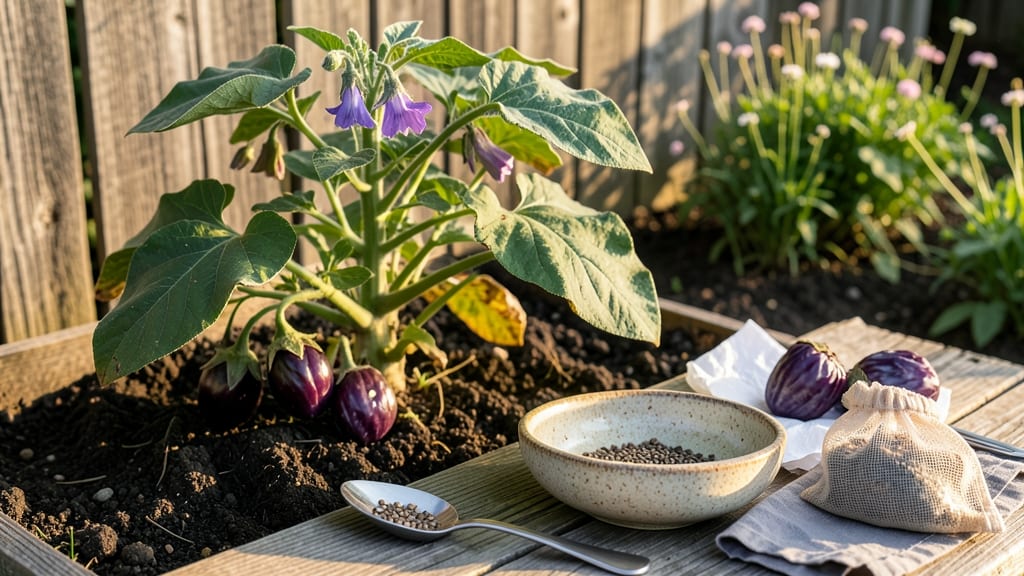
Harvesting eggplant seeds from mature fruit lets you save organic, heirloom-quality plants for next year’s garden—if you know the right steps and timing.
Did you know the eggplant flowers 🍆 you discard after pollination can yield seeds for next year’s garden? Harvesting eggplant seeds is a simple yet rewarding process that ensures organic, heirloom-quality plants—if you know the right timing and steps.
Many gardeners skip this step, missing out on the chance to grow their own plants from seeds they’ve carefully nurtured. The key is waiting until the fruit turns fully brown and the seeds inside are plump and firm, not prematurely harvesting when they’re still green.
In this guide, I’ll walk you through every step—from picking the right fruit to drying and storing seeds properly—so you can avoid common mistakes and maximize your success.
When and how to identify mature eggplant seed pods for harvesting
Harvesting eggplant seeds starts with recognizing the perfect moment when your plants are ready to yield viable seeds. The key is watching for flower fading and pod color changes from vibrant green to a rich, brown hue.
These visual cues signal that the seeds inside are fully mature and ready for extraction, ensuring strong germination for next year's garden.
Eggplant flowers typically wilt and drop after successful pollination, leaving behind small green seed pods. These pods will gradually change color as they mature. The transition from green to brown isn't immediate—it can take 4-6 weeks depending on your climate and eggplant variety.
Patience is crucial here, as harvesting too early can result in seeds that won't sprout properly.
Here’s what to look for when inspecting your eggplant seed pods: the skin should feel dry and papery, almost like parchment. If you gently squeeze the pod and it feels hollow inside, that’s another good sign.
These mature pods are typically 1-2 inches long and contain plump, dark seeds ready for harvest. Avoid pods that are still firm or green—they’re not mature enough.
One common mistake is confusing seed pods with the eggplant fruit itself. Seed pods grow directly from the flower stems, not the main fruit. They’re much smaller and less fleshy.
If you’re unsure, check the size—seed pods are rarely larger than your thumb, while eggplant fruit can grow up to 12 inches long in some varieties.
Timing your harvest is critical. If you wait too long, the pods may crack open on their own, spilling seeds onto the soil. While this isn’t disastrous, it can lead to mold or pest contamination.
Harvest pods as soon as they turn fully brown and feel dry to the touch. Use clean, sharp pruning shears to avoid damaging the plant or introducing pathogens.
Another helpful trick is to tap the pod gently—if it sounds hollow, it’s ready. You can also cut open a pod to inspect the seeds. Mature seeds will be dark and plump, while immature seeds are pale and shriveled.
This quick check ensures you’re harvesting at the optimal stage for seed viability.
Environmental factors play a role too. In hot, dry climates, pods may mature faster, while cooler or humid conditions can slow the process. Keep an eye on your local frost dates—if winter is approaching, prioritize harvesting seed pods before the first frost, even if they’re not fully brown.
You can still dry and store them indoors for later use.
Once you’ve identified mature pods, the next step is to extract the seeds carefully. Place the pods in a paper bag and let them dry indoors for a few days.
This allows the seeds to fully separate from the pod walls, making extraction easier. Avoid rushing this step—proper drying is essential for preventing mold and ensuring seed longevity.
Remember, the goal is to preserve heirloom varieties and avoid buying new seeds each year. By mastering the art of identifying mature eggplant seed pods, you’ll save money, reduce waste, and enjoy the satisfaction of growing plants from seeds you’ve personally harvested. Happy gardening!
Step-by-step process: extracting, cleaning, and drying eggplant seeds properly
Once you’ve identified your mature eggplant seed pods (those brown, shriveled fruits), the real work begins: extracting, cleaning, and drying the seeds for next season. This process ensures high germination rates and prevents mold or contamination.
The key steps involve fermentation, thorough rinsing, and careful drying—each critical for seed viability.
Start by selecting 3-4 fully ripened eggplants from your harvest. Avoid any fruits with signs of rot or pest damage, as these can contaminate your seeds. The fermentation step removes the gelatinous coating that surrounds eggplant seeds, which would otherwise inhibit germination.
This process mimics natural decomposition but in a controlled way to keep your seeds healthy.
Step-by-Step Guide to Harvesting Eggplant Seeds
- 1 Slice open the mature eggplant fruit and scoop out the seeds and gel into a clean bowl. Discard the pulp.
- 2 Cover the seeds with water and let them ferment for 2-3 days. Stir daily to prevent mold. The gel will break down, releasing the seeds.
- 3 After fermentation, rinse the seeds in a fine-mesh strainer under cool water to remove all gel residue. Gently rub seeds between your fingers if needed.
- 4 Spread seeds on a paper towel or screen in a single layer. Place in a well-ventilated, dry area (like a seed tray) away from direct sunlight.
- 5 Let seeds dry for 7-10 days until they’re brittle and crack when bent. Store in a paper envelope or airtight container in a cool, dark place.
During the fermentation process, you might notice a slight foul odor—this is normal! It indicates the gel is breaking down. If you see mold forming (fuzzy spots), discard the batch immediately and start fresh with new seeds.
Moldy seeds won’t germinate, so acting quickly is key. Once dried, your seeds should look dark and wrinkled, not glossy or sticky.
Store your dried seeds in a cool, dark place (like a seed catalog or jar) for up to 3-5 years. Label each envelope with the variety name and harvest year to avoid confusion.
Before planting, test a few seeds on damp paper towels to confirm germination viability—this simple step saves time and frustration later.
With these steps, you’ll have high-quality, organic eggplant seeds ready for next season’s garden. The satisfaction of growing plants from seeds you saved yourself is unmatched—plus, you’ll always have a reliable supply of your favorite varieties! 🌱