
Planting
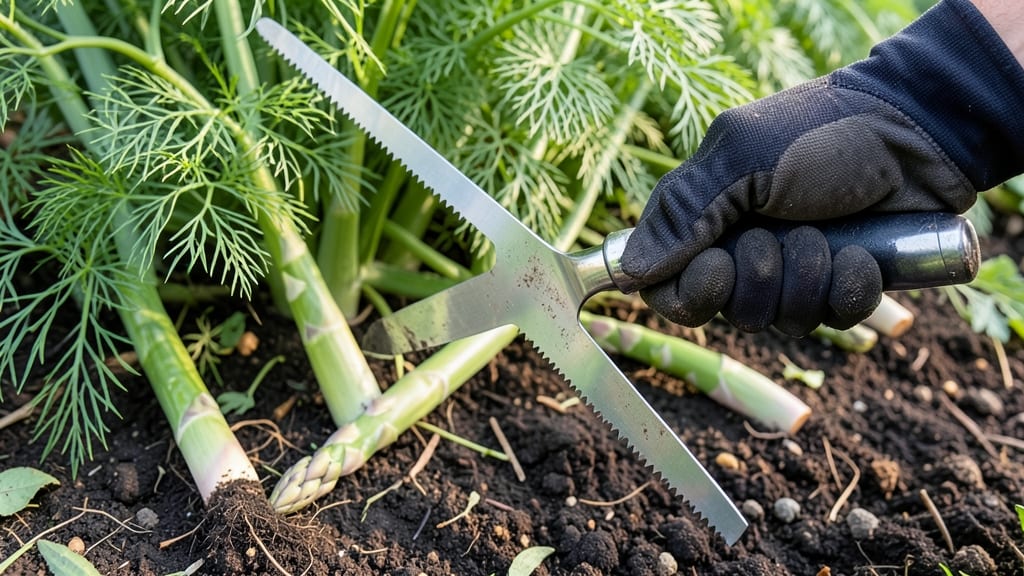
Harvesting asparagus after planting at the right time ensures a perfect first cut and years of abundant harvests—soil temperature is the key factor most gardeners miss.
Timing your asparagus harvest wrong can mean the difference between a lush, productive garden and years of waiting—soil temperature is the secret weapon most gardeners overlook.
In Zone 6a, asparagus crowns need soil to warm to 50-55°F before spears are ready. That’s why a soil thermometer becomes your best friend—especially in the first year when plants are still establishing roots.
Below, I’ll walk you through the exact signs to watch for—spear height, crown maturity, and seasonal cues—and how to adjust for your region to get that first perfect cut without stunting future growth.


How soil temperature determines asparagus harvest readiness (exact science)
Timing your asparagus harvest isn't just about waiting for spears to pop up—it's about soil temperature triggering biological readiness. Most gardeners miss that asparagus crowns only produce spears when soil warms to 50-55°F.
Below that, growth stalls; above it, you risk tough, fibrous shoots. This 5°F window is your golden ticket to tender, market-ready spears every spring.
Why does temperature matter so much? Asparagus crowns—those thick, woody roots—store energy over winter. When soil hits 50°F, enzymes activate, converting stored starches into new spear growth. At 55°F, the plant shifts from energy storage to rapid shoot production.
Skip this window, and you'll either harvest woody stalks or wait another year. Think of it like a biological thermostat your asparagus can't ignore.
A soil thermometer is your best friend here. Stick it 4 inches deep (where crowns live) in the morning—before sun heats the surface. If it reads below 50°F, even with spears emerging, wait. Harvesting too early stresses the plant and reduces next year's yield.
Pro tip: In colder climates (USDA Zones 3-5), soil may linger below 50°F until late May or June. Patience pays off with tender spears every time.
First-year plants are especially sensitive. After planting crowns in spring, they focus on root establishment—no harvest that year. Even if soil hits 55°F, resist the urge!
Damaging first-year shoots stunts crown growth, delaying your harvest by months. Year 2 is when you'll see spears, but only if soil temperature cooperates. Mark your calendar for the first 5-day stretch above 50°F—that's your harvest cue.
Mature asparagus beds (years 3+) are more forgiving but still need consistent soil warmth. Once spears hit 6-8 inches tall and soil stays above 55°F, it's go time. But here's the catch: If soil cools below 50°F mid-harvest, new spears may turn tough.
In Zone 7+, this could mean a 6-week harvest window; in Zone 5, it might shrink to 3 weeks. Plan accordingly!
| Stage | Soil Temp Trigger | Harvest Window | Key Action |
|---|---|---|---|
| Year 1 (Planting) | No harvest (root growth) | — | Monitor soil warmth |
| Year 2 (First Spears) | 50-55°F (consistent) | Late May-June (varies) | Harvest 2-3 spears/plant |
| Years 3+ (Peak) | 55°F+ (stable) | April-June (6-8 weeks) | Harvest until spears thin |
| All Years | Below 50°F | Pause harvest | Let soil warm naturally |
🌡️ Pro Tip: Use a soil thermometer at 4" depth for accurate readings.
Regional climates throw a wrench into this science. In Zone 9+, soil may hit 55°F as early as February, while Zone 4 gardeners might not see harvest until July.
To adapt, plant early-maturing varieties like 'Mary Washington' in cooler zones or extend your season with row covers to warm soil faster. Even a black plastic mulch can raise soil temps by 5-10°F in spring.
Measuring soil temperature isn't just about the number—it's about consistency. A one-day spike to 55°F won't trigger spears; you need 3-5 days of stable warmth. That's why I check my soil thermometer every 2 days in spring.
If temps dip below 50°F at night, new spears may stall. In these cases, harvest only mature spears and let younger ones wait for warmer soil.
Overlooking soil temperature leads to two common mistakes: harvesting too early (tough spears) or harvesting too late (missed season). Both reduce yield and stress the plant. For example, in 2022, my
Step-by-step guide: from first spears to peak harvest season
Your asparagus plants have patiently waited 1-3 years to reach harvest—now it's time to reward their effort. The first year after planting is all about root establishment, so resist the urge to harvest.
By year two, you'll see tender spears emerging, signaling it's finally time to enjoy your labor. Understanding the growth stages and harvest cues ensures you maximize yield without damaging your plants.
Harvesting too early or too late can stunt future growth or even kill your asparagus crowns. The key lies in soil temperature, spear height, and tip condition. When soil warms to 50-55°F and spears reach 6-8 inches tall with tightly closed tips, they're ready.
But timing isn't the only factor—cutting technique matters just as much to preserve your plant's health for years to come.
🌱 Step-by-Step Asparagus Harvest Timeline
- 1 Year 1: No harvest—let plants focus on root development in full sun. Mulch heavily to protect crowns.
- 2 Year 2: First harvest begins when soil hits 50°F+ and spears reach 6 inches. Cut 3-4 spears per plant, leaving others to feed roots.
- 3 Harvest window: Continue harvesting every 2-3 days while spears stay tender and closed-tipped. Stop when spears turn woody or fibrous (usually 6-8 weeks into season).
- 4 Cutting technique: Use a sharp knife to slice spears 1 inch below soil at a 45° angle. Avoid pulling—this damages roots.
- 5 Year 3+: Full production begins. Harvest all spears until they turn woody, then let 3-4 spears mature into ferns to feed roots for next year.
- 6 Post-harvest care: Fertilize with 5-10-10 after harvest to replenish nutrients. Water deeply but infrequently to encourage deep root growth.
Regional climate plays a huge role in harvest timing. In warmer zones (8-10), spears may emerge as early as February, while cooler zones (3-5) might not see harvest until late May or June.
Always check soil temperature with a soil thermometer—this is your most reliable guide. If your area experiences frost after harvest, stop cutting 4-6 weeks before first frost to let plants recover.
Proper cutting technique is often overlooked but critical. Always use a clean, sharp knife and cut at a 45° angle just below soil level. This prevents disease and encourages new spear growth from the same crown.
Avoid pulling spears—this can uproot your plant and reduce future yields. After cutting, store spears upright in water in the fridge for up to 5 days to maintain crispness.
By year three, your asparagus bed should be in peak production, yielding 20-30 spears per plant during the 6-8 week harvest window. To extend this window, practice successive cutting: harvest every 2-3 days and always prioritize tender, closed-tip spears.
If you notice yellowing ferns or stunted growth, it's time to fertilize and adjust your watering schedule.
Remember, patience is key with asparagus. The first harvest is just the beginning—with proper care, your plants can produce 15-25 years or more. Each year, you'll refine your timing and technique, turning your garden into a spear-producing powerhouse. 🌱