
Vegetables
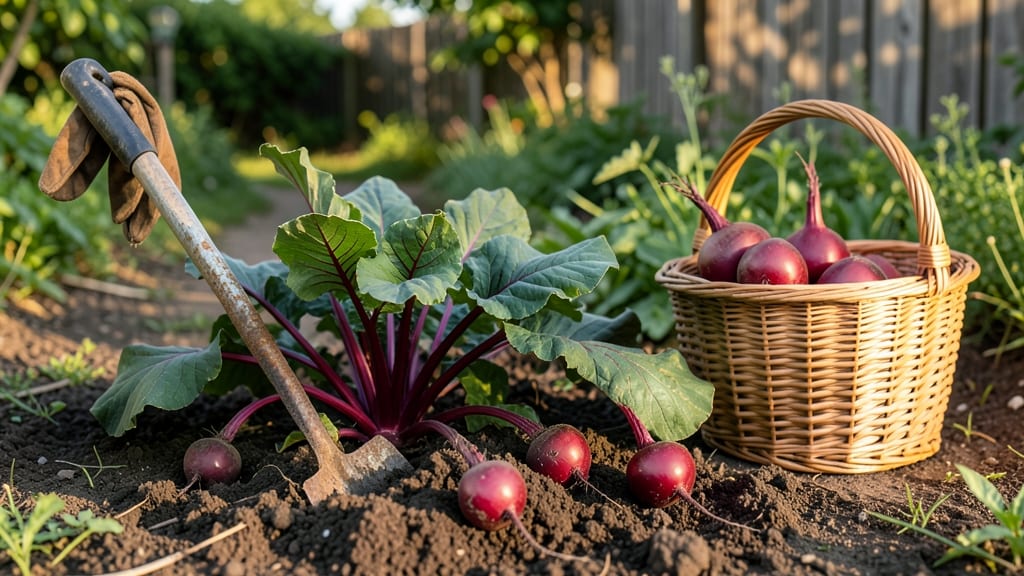
Harvesting beetroot at the right time ensures tender, flavorful roots—when they reach 2 inches in diameter and the tops are 4-6 inches tall, you’ve got the perfect balance of sweetness and texture.
Picture this: you’ve nurtured your 🍠 plants all season, and now the leaves are mature but not yet yellowing. That’s your cue—wait too long, and you’ll end up with tough, woody roots that lose their vibrant color and taste.
Timing matters even more in Zone 6a, where spring and fall harvests demand extra attention. Too early, and the roots stay small; too late, and they bolt or split. I’ll walk you through the visual cues, soil checks, and seasonal adjustments to nail the harvest every time.
Once you’ve pulled them at peak ripeness, I’ll share how to store your harvest so it stays fresh for weeks—no more sad, shriveled beets in the crisper drawer. Let’s make sure your effort pays off with the best-tasting, most versatile beetroot you’ve ever grown.


How to identify the perfect beetroot harvest time by size and texture
Timing your beetroot harvest correctly ensures you enjoy sweet, tender roots at their peak. The ideal moment arrives when roots reach 2-3 inches in diameter—this size balances flavor and texture perfectly.
Smaller beets may taste mild, while oversized ones can become woody. Paying attention to leaf development and root firmness also helps determine readiness.
Beetroots thrive in well-drained soil with consistent moisture, but their harvest window depends on variety and growing conditions. Most gardeners aim for a harvest between 50-70 days after planting, though some heirloom varieties may take longer.
The key is watching for visual cues that signal optimal maturity rather than relying solely on days since sowing.
| Harvest Indicator | Ideal Specification | Visual Cue |
|---|---|---|
| Root Diameter | 2-3 inches | Fits in palm of hand |
| Leaf Height | 4-6 inches | Mature, slightly woody |
| Root Color | Deep, vibrant | Uniform hue (red, gold, striped) |
| Root Texture | Firm, smooth | No cracks or soft spots |
| Soil Condition | Moist but not soggy | Easy to dig without resistance |
Start checking your beetroots when they reach about 1 inch in diameter—this is when their color begins deepening. Gently brush away soil to inspect for uniform coloration and smooth texture.
If the root feels firm when pressed but isn't rock-hard, it's likely ready. Avoid harvesting when soil is waterlogged, as this can lead to hollow or cracked roots.
For baby beetroots, harvest when they're just 1-2 inches wide—these tender varieties are perfect for quick cooking. Their leaves will still be lush and green, but the roots will be plump and sweet.
If you're growing larger heirloom varieties, wait until roots reach 3-4 inches in diameter, though their flavor may intensify with size.
One common mistake is waiting too long, which results in woody, tough roots that lose their sweetness. If you notice leaves yellowing or wilting, it may be a sign of overmaturity or stress.
Harvest immediately if roots feel soft or spongy—this indicates they've been in the ground too long. The best time to harvest is on a cool morning when roots are crisp.
Use a garden fork to loosen soil around the beet before gently pulling it free. This prevents damage to the root. If the beet resists, it may not be fully mature yet—wait another week and check again.
Once harvested, trim leaves to 1 inch above the root to prevent moisture loss and store in a cool, dark place for up to 2 weeks.
For continuous harvests, plant beet seeds every 2-3 weeks during the growing season. This staggered approach ensures you always have fresh, tender beets ready to enjoy.
Keep an eye on your plants, and don't hesitate to sample a few to test for sweetness—this is the ultimate indicator of perfect harvest timing!
Remember, beetroots store well after harvest, so you can enjoy their earthy sweetness long after the garden season ends. Proper timing now means delicious meals later—just don’t forget to save a few seeds for next year’s planting!
Common mistakes that ruin beetroot harvest timing (and how to avoid them)
One of the biggest mistakes I see gardeners make is harvesting beetroot based on days after planting alone. A 50-day-old beetroot might still be tiny and underdeveloped, while a 70-day-old one could be woody and tough. Instead, focus on visual cues like root size and leaf maturity.
Another common error is ignoring soil conditions before harvest. Dry soil can cause roots to split or become misshapen, while overly wet soil leads to waterlogged, pithy beets. I’ve learned the hard way—always check soil moisture before pulling your harvest.
Here’s the critical warning sign you might be missing: yellowing leaves don’t always mean it’s time to harvest. Sometimes, they signal nutrient deficiency or disease, not maturity. Let’s fix these mistakes before they ruin your harvest.
⚠️ Harvest Too Early or Late?
If your beetroots are smaller than 1 inch, they’re underdeveloped—harvesting now means bland, watery roots. Wait until they reach 2+ inches in diameter for peak flavor and texture.
If leaves are wilted or yellowing but roots are still small, your soil may be too dry or compacted. Amend with compost and water deeply before harvesting.
For over-mature beets, look for cracked roots or woody texture. These are past their prime—harvest sooner next time!
Over-mature beetroots often develop cracks or splits due to uneven watering or rapid growth. I’ve seen this happen when gardeners forget to mulch—keeping soil moisture consistent prevents these issues. A 2-inch layer of mulch around plants helps maintain even moisture and soil temperature.
Another red flag is pale or uneven color in your beetroots. This usually means they didn’t get enough sunlight or nutrients. Move your plants to a sunnier spot (6+ hours of direct sun) and feed them with a balanced fertilizer (5-10-10) every 4-6 weeks during active growth.
Finally, never harvest beetroot after the first frost in Zone 6a (around October 31). Cold temperatures turn roots woody and bitter. If you’re growing for a fall harvest, plan to pick them 2-3 weeks before frost for the best results.
By watching for these warning signs and adjusting your care routine, you’ll avoid the most common beetroot harvest mistakes. Your next harvest will be sweet, tender, and perfectly timed!