
Vegetables
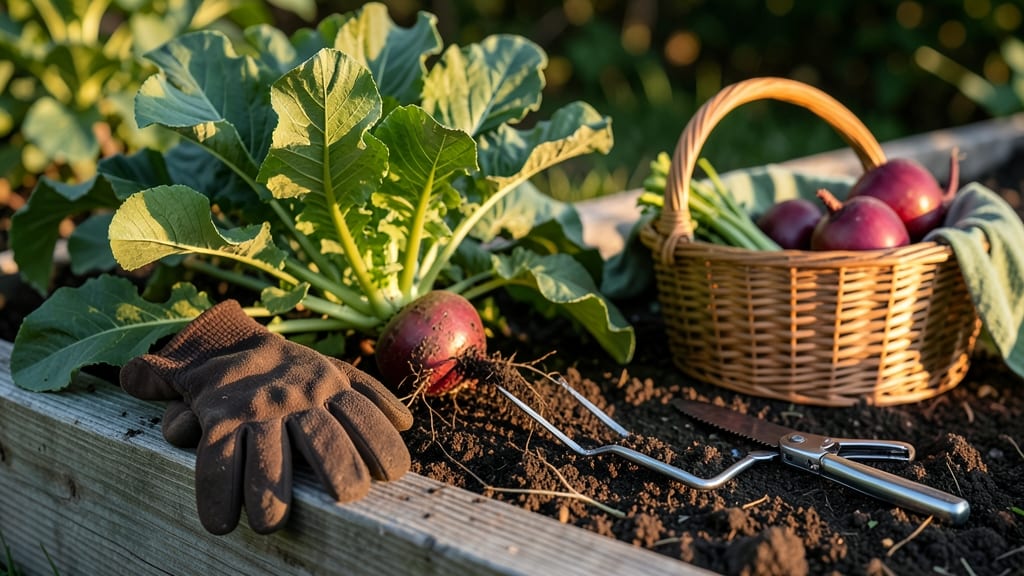
Harvesting beets at the right time means the difference between sweet, tender roots and tough, woody vegetables—so timing is everything for gardeners.
Picture this: you’ve nurtured your 🍠 beets all season, and now the question looms—when do you pull them for the best flavor? Too early, and they’re small and underdeveloped; too late, and they turn bitter or split.
The secret lies in checking both the soil and the plant’s signals, which I’ll break down in simple steps.
Most gardeners wait 50 to 90 days after planting, depending on whether you’re growing baby beets or full-sized roots. But days alone aren’t enough—you’ll also want to watch for vibrant leaves, deep color, and roots that feel firm when pressed.
Miss these cues, and you might end up with beets that are past their prime.
In this guide, I’ll walk you through exactly how to tell when your beets are ready to harvest, including soil checks, size guides, and how to handle different varieties. By the end, you’ll know the perfect moment to pull them for the sweetest, most flavorful harvest.


How to check soil conditions for beet harvest timing
Timing your beet harvest isn't just about counting days—it’s about reading the soil conditions and root signals your plants send. Beets thrive in loose, well-draining soil, and when the conditions are right, you’ll know it.
The secret lies in a mix of visual cues, finger-testing, and understanding your beet variety’s growth timeline. Baby beets (30-60 days) and mature beets (70-90 days) require slightly different approaches, but the soil always tells the truth.
Start by checking the soil moisture—beets need consistent hydration but hate soggy roots. Stick your finger about 2 inches deep into the soil near your plants. If it feels damp but not wet, that’s ideal.
Overly dry soil slows growth, while waterlogged soil can cause roots to split or rot. A quick soil squeeze test works too: grab a handful and gently press it. It should hold shape but crumble easily when released. If it sticks together like clay, your beets might be struggling.
Now, let’s talk about the root size indicators. Baby beets (1-2 inches in diameter) are ready when their tops reach 4-6 inches tall, while mature beets (2-3+ inches) need 8-12 inches of foliage. But here’s the catch: you can’t always see the roots!
That’s where the finger-testing method comes in. Gently loosen the soil around the base of a plant and feel for the root’s size. If it’s smooth and firm to the touch, it’s likely ready. If it’s small or woody, wait a few more days.
Step-by-Step: How to Check Soil for Beet Harvest Readiness
- Step 1: Test soil moisture by inserting your finger 2 inches deep. It should feel damp but not soggy.
- Step 2: Check foliage height—baby beets need 4-6 inches of leaves; mature beets need 8-12 inches.
- Step 3: Gently loosen soil around the base and feel for root size. Aim for 1-3 inches in diameter.
- Step 4: Inspect root color. Deep, consistent hues (red, gold, or striped) mean sweetness is peaking.
- Step 5: Harvest in the morning when soil is cool and roots are firmest for storage.
Pro Tip: For baby beets, harvest every 7-10 days to encourage continuous growth. For mature beets, wait until roots are fully colored and tops are lush.
Don’t overlook the color clues in your beets. A deep, vibrant color—whether it’s rich red, golden yellow, or striped patterns—is a sign that sugars are at their peak. Pale or uneven coloring often means the beet hasn’t fully matured.
If you’re growing heirloom varieties, these colors can also indicate the beet’s flavor intensity. For example, Chioggia beets with their stunning pink-and-white rings are sweeter when fully colored.
Seasonal timing plays a role too. In spring-planted beets, aim for harvests between June and July when days are long and soil is warm. For fall plantings, harvest in October or November before the first frost.
However, if you’re in a warmer climate (USDA Zone 8+), you might extend your harvest window into early winter. Always check the forecast and harvest before temperatures drop below 40°F, as cold soil can make roots tough and woody.
One of the biggest mistakes gardeners make is ignoring soil compaction. Beets need loose soil to grow their signature round shapes. If your soil feels hard or compacted, it’s time to amend it with compost or sand before planting.
Compacted soil restricts root growth, leading to misshapen or stunted beets. A quick fix is to add mulch around your plants to keep the soil loose and retain moisture. This also prevents weeds from competing with your beets for nutrients.
Finally, trust your instincts. If your beets look healthy but the days are passing, it’s okay to harvest a few as a test. Cut one open to check the root texture—it should be tender, not fibrous.
If it’s still small or underdeveloped, give them a few more days. Remember, beets store well in the fridge for up to 2 weeks, so you can always harvest early and enjoy them fresh over time.
By mastering these soil checks and visual cues, you’ll never miss the perfect harvest window again. Your garden—and your taste buds—will thank you for the sweetest, most tender beets you’ve ever grown! 🌱
Beet root size guide: baby vs. mature harvests with sweetness comparison
Harvesting beets at the right size transforms them from bland to bursting with sweetness. Baby beets—1 to 2 inches in diameter—pack the most tender, delicate flavor, perfect for fresh salads or pickling. Their smaller size means they absorb less soil minerals, keeping their natural sweetness intact.
Mature beets, on the other hand, grow 2 to 3+ inches wide and develop a deeper, earthier taste ideal for roasting or soups.
The key difference lies in their flavor intensity and texture. Baby beets are crisp and mild, while mature ones offer a richer, more robust profile. If you’re growing heirloom varieties like ‘Detroit Dark Red’, you’ll notice their sweetness peaks when harvested at full maturity.
For quicker harvests, ‘Babybeat’ or ‘Little Ball’ varieties reach perfect size in just 30 to 45 days.
| Harvest Stage | Root Size | Leaf Height | Days to Harvest | Flavor Profile | Best Use |
|---|---|---|---|---|---|
| Baby Beets | 1–2 inches | 4–6 inches | 30–60 days | Sweet, tender | Salads, pickling |
| Mature Beets | 2–3+ inches | 8–12 inches | 70–90 days | Earthy, rich | Roasting, soups |
To test for readiness, gently brush away soil around the base of the plant and check the root size. For baby beets, aim for a diameter no larger than a golf ball. Use your thumb and forefinger to press lightly—the root should feel firm but not woody.
If it’s smaller than expected, wait another 5 to 7 days for growth. Over-mature beets (larger than 3 inches) often develop a hard, fibrous texture and lose sweetness.
Storage tips vary by harvest stage. Baby beets store best in the fridge for 1–2 weeks in a perforated plastic bag. Mature beets last up to 3 months if kept in a cool, dark place like a root cellar.
For long-term storage, trim the greens and wrap the roots in moist sand or sawdust in a ventilated container. This preserves their moisture and prevents drying.
If you’re growing beets for continuous harvests, consider succession planting. Sow seeds every 2 weeks in spring and again in early summer. This ensures a steady supply of both baby and mature beets throughout the growing season.
For example, plant a batch of ‘Babybeat’ in early April for a June harvest, then follow with ‘Detroit Dark Red’ in late May for fall roasting.
Pro tip: Harvest on a cool, cloudy day to reduce stress on the plant. Use a garden fork to loosen the soil around the root before pulling gently. Avoid cutting the greens unless you plan to cook them—they’re packed with nutrients and add great flavor to stir-fries.
Save the tops for smoothies or sautéing to minimize waste.