
How To
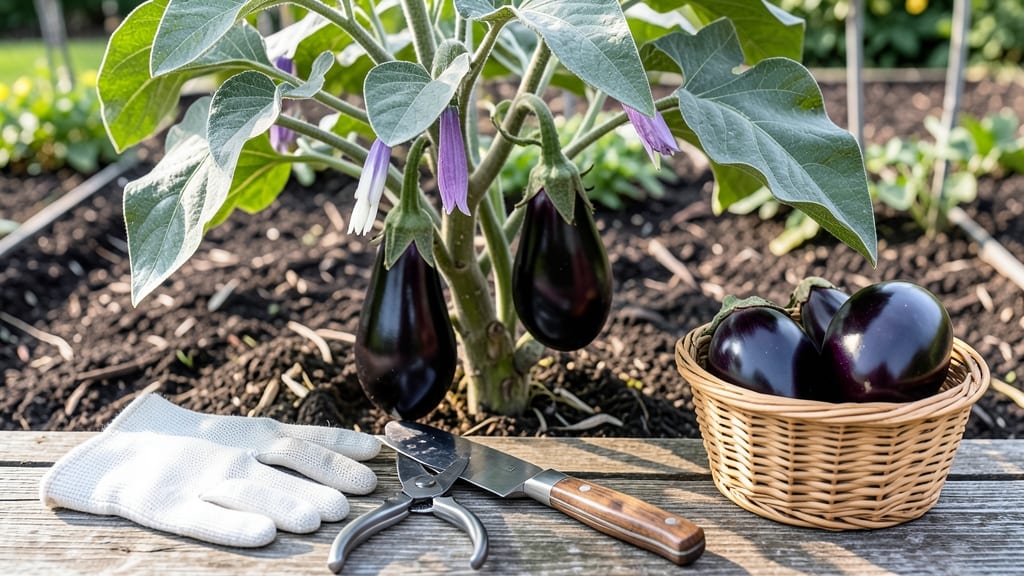
Harvesting Black Beauty eggplant at the right time means the difference between a glossy, tender fruit and one that’s tough or bitter.
Picking too early gives you a mealy disappointment, while waiting too long risks a seedy, fibrous mess—neither of which deserves your garden’s hard work. The key? A simple finger-press test that tells you exactly when your 🍆 is ready to go from plant to plate.
Seasonal factors like temperature and daylight play a role, too. Eggplants mature faster in warm weather, but even in Zone 6a, the ideal harvest window is late summer to early fall. Below, I’ll walk you through the visual and tactile cues that guarantee peak flavor every time.
You’ll learn how to check for the perfect firmness, the right color, and even the best way to twist off the stem without damaging the plant. No guesswork—just a foolproof method for harvesting your Black Beauty at its prime.
How to use the finger-press test for Black Beauty eggplant ripeness
The finger-press test is my go-to method for determining when Black Beauty eggplants are perfectly ripe. This simple tactile check helps you avoid harvesting too early (when they're bitter) or too late (when they become mealy).
The test focuses on skin firmness, glossiness, and subtle seed cues that most gardeners overlook. Mastering this technique ensures you pick eggplants at their peak flavor and texture—every time!
Start by selecting a mature-looking fruit that's reached at least 6 inches in length. The finger-press test works best when the eggplant is at room temperature, so avoid testing first thing in the morning.
Warmth makes the skin slightly softer, giving you a more accurate reading. This method is especially useful for Black Beauty varieties, which can vary slightly in ripening speed depending on your climate.
Step-by-Step Finger-Press Test
- 1 Gently press your thumb into the eggplant's skin using moderate pressure. Aim for the fleshy middle of the fruit, avoiding the stem or blossom end.
- 2 Look for slight indentation that stays for 2-3 seconds after releasing pressure. If the skin springs back immediately, the eggplant needs 3-5 more days to ripen.
- 3 Check for glossy skin around your thumbprint. A deep purple-black sheen indicates ripeness, while dull or green-tinted areas mean it's not ready. Run your fingers over the surface—ripe skin should feel smooth and slightly waxy.
- 4 Tap the fruit lightly—a ripe Black Beauty produces a hollow, slightly dull sound. Overripe eggplants sound dull and flat, while unripe ones have a sharp, high-pitched ring. This audio cue works best when comparing multiple fruits.
- 5 Examine the seed cavity by cutting one eggplant open if you're unsure. A ripe Black Beauty has small, soft seeds that don't fill the center. Large, hard seeds or hollow centers mean the fruit was harvested too late.
One common mistake I see is pressing too hard, which can bruise the skin. Use just enough pressure to create a small, temporary dent. Another pro tip: test eggplants from different parts of the plant—the ones closest to the main stem often ripen first.
If your garden is in USDA Zone 9 or higher, you might need to harvest slightly earlier due to faster maturation in warmer climates.
The finger-press test also helps identify hidden ripeness in eggplants that look ready but aren't quite there. For example, I once had a batch of Black Beauties that appeared glossy and dark but failed the press test.
Cutting them open revealed underdeveloped seeds, proving the tactile check was more reliable than visual cues alone. This method saves you from wasting perfectly good eggplants that haven't reached peak flavor.
For container gardeners, the finger-press test is especially valuable since potted eggplants can ripen 1-2 weeks faster than in-ground plants. The confined roots and limited soil volume accelerate maturation, making the tactile test your best tool for timing harvests.
Always harvest in the morning after dew has dried—this gives you the most accurate reading and prevents skin damage.
If you're growing Black Beauty eggplants in cooler climates, combine the finger-press test with monitoring daytime temperatures. Eggplants ripen best when daytime highs stay above 75°F (24°C). Below this threshold, the test may give inconsistent results because the fruit matures more slowly.
In these cases, give your eggplants an extra 5-7 days before harvesting based on the press test.
Remember that the finger-press test isn't just about firmness—it's about balanced ripeness. An eggplant that passes the test should also feel heavy for its size and have a slightly soft stem when gently twisted.
These combined cues give you the most reliable indication that your Black Beauty is ready to pick. With practice, you'll develop an intuitive sense for when the test signals perfect ripeness.
Once you've mastered the finger-press test, you'll never second-guess your eggplant harvests again. This method works for all Black Beauty varieties, whether you're growing them in raised beds,
Black Beauty eggplant size, color, and stem signs for perfect harvest
Beyond the finger-press test, your Black Beauty eggplant reveals subtle visual and physical cues that scream "harvest me now!" The size range alone can tell you whether your fruit is still maturing or ready to pick.
Most Black Beauties reach their ideal harvest size between 6 to 8 inches long and 3 to 5 inches in diameter, but they’ll never be round like a tomato—expect an oblong, slightly tapered shape.
Color is your next clue. While the name suggests a deep black hue, ripe Black Beauty eggplants actually develop a rich, glossy purple-black skin. If you’re seeing pale green or yellow patches, your fruit needs more time on the vine.
The glossier the skin, the sweeter the flavor—this shine comes from natural waxes that develop as the eggplant matures.
| Indicator | Ready for Harvest | Not Ready |
|---|---|---|
| Size | 6–8" long, 3–5" diameter | Small (<5"), still growing |
| Color | Deep purple-black, glossy | Pale green/yellow patches |
| Stem | Snaps cleanly when twisted | Resists twisting, feels woody |
| Weight | Feels heavy for its size | Light, spongy feel |
| Skin Texture | Smooth, slightly firm | Rough, dull, or overly soft |
Don’t overlook the stem—this is where many gardeners miss the mark. A ripe Black Beauty’s stem should twist off easily with a clean snap, almost like a celery stalk. If you’re struggling to break it or the stem feels woody, your eggplant isn’t ready yet.
Pro tip: Use a small knife or pruners to avoid damaging the plant if twisting proves difficult.
One common misconception is that eggplants must be fully black to harvest. While the color deepens as they ripen, waiting for 100% black skin can lead to overripe fruit. Aim for 90% deep purple-black with just a hint of lighter shading—this balance ensures peak flavor without sacrificing texture.
Overripe eggplants develop a seedy, bitter taste and become fibrous, making them less enjoyable to eat.
Seasonal factors also play a role in these visual cues. In hotter climates, Black Beauty eggplants may mature faster and develop deeper color earlier. Conversely, in cooler Zone 6a summers, you might see slower color development and smaller sizes.
Always prioritize the finger-press test over strict size or color rules—your eggplant’s readiness is a combination of all these factors working together.
Once you’ve confirmed all the signs, harvest in the morning when temperatures are coolest. This preserves the fruit’s freshness and makes it easier to handle.
Store harvested eggplants in a cool, dark place (like a pantry) for up to a week, or refrigerate for longer storage—though they’re best enjoyed fresh from the garden!