
Vegetables
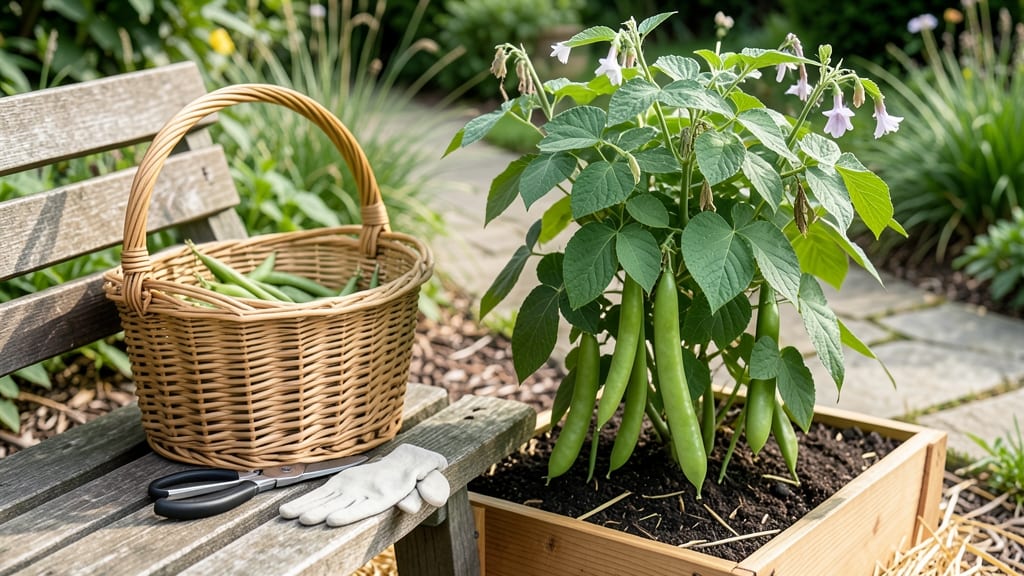
Harvest bush green beans when pods are 4-6 inches long and bright green 🌱 — that’s the sweet spot for crisp, tender beans packed with flavor.
Picture this: you’ve waited 55 days since planting, and now the pods are just right — firm yet slightly soft to the touch, with no visible seeds inside. Miss this window, and you’ll end up with tough, stringy beans that taste like regret.
Timing matters because bush green beans keep producing as long as you pick them regularly. Once they start bulging with seeds or turn yellow, the plant puts its energy into reproduction instead of new pods. That’s why checking every 2-3 days in peak season (July-September) makes all the difference.
Below, I’ll break down the exact visual cues to look for, how often to harvest for maximum yield, and the one common mistake that turns crisp beans into sad, woody sticks. Ready to turn your garden into a green bean goldmine?


How to identify perfectly ripe bush green beans for harvesting
Harvesting bush green beans at the right time ensures you enjoy their crisp texture and sweet flavor. Unlike their pole bean cousins, bush beans mature quickly—typically within 50-60 days—so timing is everything.
The key lies in observing three main cues: pod size, color, and firmness. When all three align, you’ve hit the perfect window for picking.
Start by checking the pod length. Ideal bush green beans measure 4-6 inches long. This size ensures they’re fully developed but haven’t started producing visible seeds inside. Shorter pods (3 inches) are still too young, while longer ones often become tough and fibrous.
Think of this as the "golden rule" for bush bean harvesting.
Next, examine the color and shine of the pods. Ripe bush beans boast a vibrant green hue with a slight glossiness. If the pods appear dull or yellowing, they’re past their prime.
A healthy pod should look fresh, almost like it’s been lightly misted. This visual cue is your second confirmation that the beans are ready.
| Cue | Ready for Harvest | Not Ready |
|---|---|---|
| Pod Size | 4-6 inches long | Less than 3 inches |
| Color | Bright green, glossy | Dull or yellowing |
| Firmness | Crisp, slight give when pressed | Very soft or woody |
| Seed Visibility | No visible seeds | Seeds visible or bulging |
Don’t overlook the tactile test—this is where many gardeners go wrong. Gently squeeze a pod between your thumb and forefinger. A perfectly ripe bush bean should feel firm yet slightly yielding, almost like a fresh cucumber.
If it feels too soft or mushy, it’s overripe. Conversely, if it’s rock-hard, it’s still immature. This simple touch test saves you from harvesting beans that are past their peak.
Pay attention to the growth stage of your plants. Bush beans produce pods in clusters, and the first pods to appear are usually the ripest. As you harvest, focus on the outermost pods first, working your way inward.
This method encourages the plant to produce more pods, extending your harvest season by 2-3 weeks. Think of it as a "trim-the-outside" strategy for continuous production.
Temperature plays a subtle but important role. In warmer climates (USDA zones 8-10), bush beans may ripen faster, so check them every 2-3 days. In cooler zones (like my Zone 6a garden), they take longer, so a 3-day interval works best.
Always harvest in the morning when pods are coolest and crispest—this preserves their quality longer.
One common mistake is waiting until pods start showing visible seeds. By this point, the beans lose their tender texture and develop a beany flavor that many gardeners dislike. Instead, aim to harvest just before seeds appear.
This ensures you get the sweet, crisp snap that makes fresh-picked bush beans so rewarding. Trust your eyes and fingers—they’re your best tools!
If you’re growing multiple varieties, like Blue Lake or Contender beans, note that some types mature slightly faster than others. Always refer to the seed packet instructions for variety-specific guidance. For example, Blue Lake beans often ripen in 50-55 days, while Contender may take up to 60 days.
Keeping a small harvest journal helps track these differences over time.
Finally, remember that consistent harvesting is key. Bush beans produce a bountiful crop all at once, so picking them regularly prevents over-maturation. Aim to harvest every 2-3 days during peak production.
This not only improves flavor but also signals the plant to keep producing. It’s like giving your bush beans a little nudge to keep going—just like pruning encourages more flowers!
With these cues in mind, you’ll never miss the perfect moment to harvest your bush green beans. The next time you’re in the garden, take a minute to run your fingers along the pods.
If they’re bright, firm, and just the right size, grab your scissors and enjoy the fruits of your labor—literally! 🌱✂️
Best practices for harvesting bush green beans to maximize yield
Harvesting bush green beans at the right time isn't just about picking pods—it's about encouraging your plants to produce more. When you harvest too late, the plant shifts energy from growing new pods to developing seeds, which means fewer beans overall.
The key is consistency: check your plants every 2-3 days during peak production (July-September) to keep them happy and productive.
Start by harvesting the largest, most mature-looking pods first. This signals the plant to focus on developing new beans rather than letting old ones over-mature. Think of it like pruning—you're guiding the plant's energy where you want it.
A single missed harvest can reduce your total yield by up to 30%, so don't skip this step!
🌱Pro Tip: Always harvest in the morning
✂️ When to Harvest Bush Green Beans
Harvest when pods reach 4-6 inches long and are bright green with no visible seeds. Use sharp pruning shears or scissors to avoid damaging stems. Cut pods at a 45-degree angle just above the leaf node to encourage bushier growth.
🌿 Frequency: Every 2-3 days during peak season (July-September) to maintain production.
Use the right tools to make harvesting efficient and gentle on your plants. A pair of sharp pruning shears or clean scissors works best—never pull pods off by hand, as this can damage the plant. I keep a small basket nearby to collect harvested beans, which also helps prevent bruising.
For large harvests, consider a harvesting knife with a long handle to reach deep into thick foliage without bending over too much.
After harvesting, rinse beans immediately in cold water to remove dirt and pests, then store them in the fridge for up to 5-7 days. This quick post-harvest care keeps them crisp and extends their shelf life.
The fresher you eat them, the better they'll taste—so plan to use your harvest within a few days whenever possible. If you're overwhelmed with beans, try freezing or canning extras for later use.
One of my favorite tricks to boost production is to harvest the outermost pods first. This exposes more of the plant to sunlight and air circulation, which encourages new growth.
I also make a point to harvest all mature pods, even if they're not perfect—this prevents the plant from "giving up" on producing more beans. Remember, bush beans are determinate plants, meaning they produce all at once, so timing is everything!
Finally, keep an eye on your plants' overall health. If leaves start yellowing or pods develop black spots, it's a sign of stress—likely from over-maturity or disease. In this case, reduce harvesting frequency slightly and focus on watering and fertilizing to revive the plant.
A healthy plant will reward you with weeks of continuous harvests if you stay consistent with your care routine.