
Vegetables
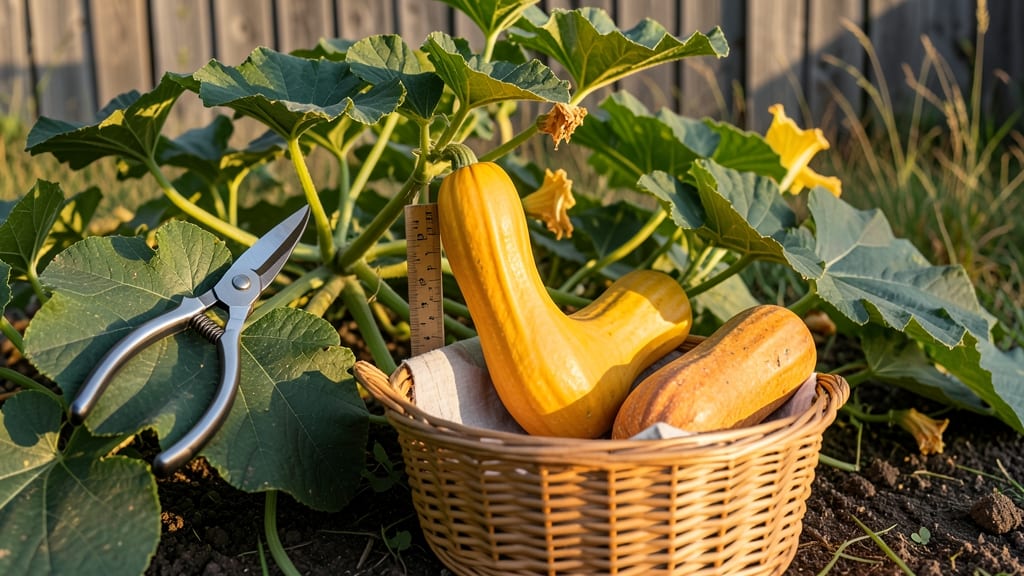
Harvesting butterbush squash at the right time turns a simple garden task into a flavor-packed victory—and missing it means ending up with mealy, flavorless squash that’s a far cry from its nutty, sweet potential.
Picture this: you’ve nurtured your 🎃 butterbush squash all season, and now it’s time to pick. But how do you know when it’s truly ready? The answer lies in three key tests—size, skin firmness, and stem separation—that reveal peak ripeness before it’s too late.
In USDA Zone 6a, where frost can sneak in by October, timing matters even more. A squash left too long on the vine risks becoming overripe and vulnerable to cold, while harvesting too early means sacrificing that rich, buttery texture you’ve been dreaming of.
Below, I’ll walk you through the exact cues to watch for—plus climate-specific tips to ensure your harvest is perfect every time, whether you’re in a hot summer or facing an early frost.
3 Tactile tests to determine butterbush squash ripeness
Harvesting butterbush squash at the perfect moment transforms this nutty-flavored squash from a bland disappointment into a kitchen superstar. Unlike smooth-skinned varieties, butterbush squash has distinctive bumps and requires hands-on assessment to avoid underripe or overripe fruit.
I’ve learned these tactile tests through years of trial-and-error harvesting—trust me, your taste buds will thank you.
The key lies in three simple but critical tests: skin firmness, stem separation, and weight evaluation. Each test reveals a different aspect of maturity, and when combined, they give you a foolproof method to determine if your butterbush squash is ready for harvest.
No guesswork needed—just your hands and a little patience.
-
1. Skin Firmness Test
Press your fingernail into the squash skin. If it resists indentation and doesn’t leave a mark, the squash is ready. Soft spots mean it needs more time on the vine. -
2. Stem Separation Test
Gently twist the stem near the squash. If it snaps cleanly (not tears) with a slight resistance, the squash is mature. A stem that pulls away easily means it’s overripe. -
3. Weight Evaluation
Lift the squash—heavy for its size means it’s packed with flavor. A light squash is underripe, while one that feels too heavy may be overripe and mealy.
Let’s start with the skin firmness test, my go-to method for assessing butterbush squash. When I first grew these, I kept harvesting too early because the skin looked ready but wasn’t firm enough.
Now, I always press with my fingernail—if it doesn’t dent, the squash is perfect. For butterbush varieties, the skin should feel thick and slightly rough to the touch, not smooth like a zucchini.
The stem separation test is where many gardeners trip up. A mature butterbush squash stem should break cleanly when twisted gently—no stretching or tearing. I’ve seen squash fall off the vine too early because the stem wasn’t dry enough.
If the stem pulls away without resistance, leave the squash another 3-5 days on the plant.
Don’t overlook the weight evaluation, which tells you about the squash’s internal moisture and sweetness. A ripe butterbush squash feels substantially heavy for its size, almost like lifting a small pumpkin.
I once harvested a batch that felt light, and when I cut them open, the seeds were tiny and the flesh was watery. Since then, I’ve made weight a non-negotiable part of my harvest checklist.
Timing matters too—harvest in the morning after the dew has dried but before the heat of the day sets in. This ensures the squash is at its firmest and freshest.
I’ve also found that butterbush squash ripens faster in hot climates, so check your squash every 2-3 days during peak summer heat to avoid missing the window.
What if your squash fails one test but passes another? For example, the skin is firm but the stem won’t separate? This usually means the squash is almost ready—give it 1-2 more days and recheck.
Overripe butterbush squash becomes mealy and bland, so err on the side of caution if you’re unsure.
After harvesting, store your butterbush squash in a cool, dry place (50-55°F) where it gets indirect sunlight. Unlike some squash varieties, butterbush stores well for 2-3 months if kept properly. I once stored mine in a cardboard box with newspaper and checked weekly—this method kept them fresh until winter.
Remember, butterbush squash is not like zucchini—you can’t harvest it small and expect great flavor. Wait for the full size (6-8 inches) and all three tactile tests to align. Your patience will reward you with a nutty, sweet flavor that’s worth the wait.
Now that you’ve mastered these tests, you’re ready to harvest butterbush squash like a pro. Next, we’ll dive into the harvest timeline and seasonal adjustments to ensure you’re picking your squash at the absolute peak of ripeness.
Butterbush squash harvest timeline: days to maturity and seasonal tips
Timing your butterbush squash harvest is all about balancing maturity with seasonal realities. These squash typically reach harvest readiness between 45-75 days after planting, but cooler climates or shorter growing seasons demand extra attention to avoid frost damage or underripe fruit.
In USDA Zone 6a, where frost arrives as early as mid-October, most gardeners aim to harvest butterbush squash between late July and early September. This window ensures the squash matures fully while avoiding the first frost, which can turn a perfect harvest into a mushy disappointment.
Here’s a quick reference for harvest timing based on growing conditions:
| Stage | Days to Maturity | Ideal Harvest Months | Climate Adjustments |
|---|---|---|---|
| Minimum Maturity | 45 days | Late June - Early July | Risk of underripe fruit; best for warm climates |
| Ideal Maturity | 60 days | July - August | Optimal for most USDA Zones 6a+ |
| Maximum Maturity | 75 days | August - Early September | Push limits in cooler zones; monitor frost |
| Frost Risk Zone | N/A | September - October | Harvest before first frost; store indoors |
If you’re gardening in a shorter growing season, consider starting seeds indoors 4-6 weeks earlier than your last frost date. This extends your harvest window and gives butterbush squash enough time to mature before cooler weather sets in.
For gardeners in warmer climates, you can push the harvest timeline slightly later, but watch for signs of overripeness like wrinkled skin or soft spots. These indicate the squash has passed its prime and may not store well.
Pro tip: Use black plastic mulch to warm the soil and accelerate growth, especially in cooler regions. This can shave off 5-10 days from the maturity timeline, giving you a head start on the harvest season.
Once harvested, store butterbush squash in a cool, dry place with good airflow. They’ll keep for 2-3 months, making them a great late-season staple—just don’t let them freeze!