
How To
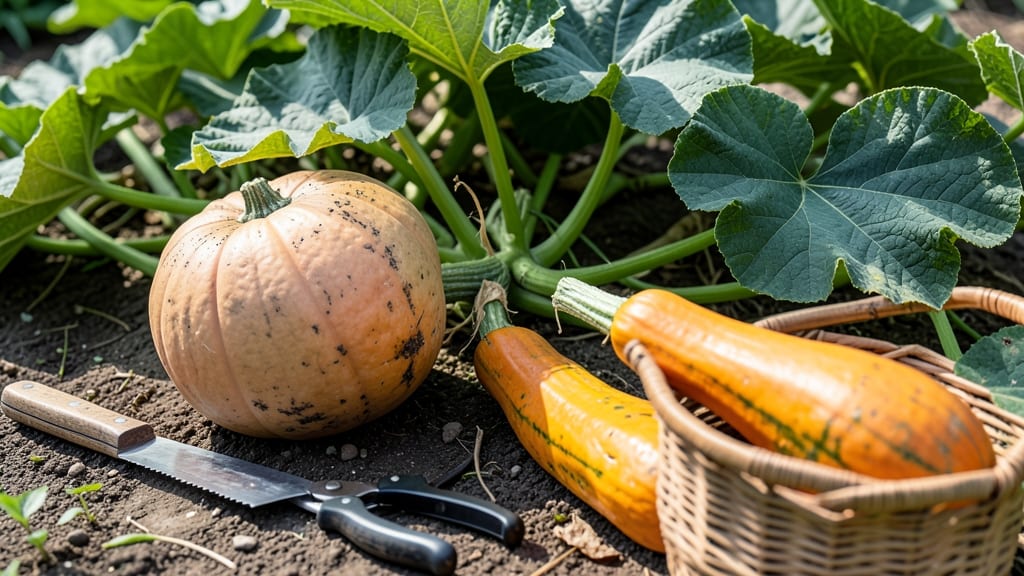
Harvesting butternut pumpkins at the right time means the difference between sweet, tender flesh and a tough, flavorless mess — and the key is knowing exactly when to pull them from the vine.
Picture this: you’ve spent months nurturing your 🎃 plants, only to cut into a pumpkin that’s still mealy or wait too long and end up with a rock-hard rind. The perfect harvest window is narrower than you think, and missing it means wasted effort.
But here’s the good news: with a few simple tests, you can nail it every time.
First, let’s talk about the skin hardness test — the most reliable way to check ripeness. A fingernail should leave no mark on a fully mature butternut, while the stem will start drying and shrinking.
Then there’s the color shift, from pale green to a deep, rich tan. These visual cues are your green light to harvest before the first frost hits.
In this guide, I’ll walk you through the exact steps to test for ripeness, how regional climates shift your timeline, and what to do once you’ve got them off the vine to keep them fresh for months. No more guesswork — just perfect, flavor-packed butternuts.


How to test butternut pumpkin skin hardness for optimal harvest time
Harvesting butternut pumpkins at the right time transforms bland, watery flesh into sweet, nutty perfection. The key lies in their skin hardness and subtle visual cues that signal peak ripeness. Unlike their round cousins, butternut pumpkins mature gradually, so timing matters more than you might think.
I’ve learned the hard way—waiting too long means tough skin, while harvesting too early leaves you with starchy, underdeveloped fruit.
Most gardeners rely on a combination of physical tests and visual checks to determine when butternut pumpkins are ready. The nail test and thump test are my go-to methods, but I also watch for changes in the stem color and vine health.
These clues work together to give you the most accurate harvest window, especially in variable climates where weather can delay or speed up maturation.
Before diving into the tests, here’s what you need to know: butternut pumpkins typically mature between 80-100 days after planting, but this varies by variety and growing conditions. In cooler climates, they may take longer, while warm, sunny regions can see faster ripening.
Pay attention to these three key indicators to avoid common mistakes like harvesting too soon or missing the sweet spot.
One common mistake I see is relying only on size to judge ripeness. Butternut pumpkins can grow larger but still be underdeveloped inside. For example, a 10-pound pumpkin might feel soft to the touch, while a 6-pound one could pass all the tests.
Always combine size with the nail and thump tests for accuracy.
Growing conditions also play a role. In hot, dry climates, pumpkins may ripen faster and develop tougher skin earlier. Conversely, cool, cloudy weather can slow maturation, so don’t rush the harvest.
If frost is forecast within 2-3 weeks, it’s better to harvest slightly early and cure the pumpkins indoors to finish ripening.
Once you’ve confirmed ripeness, harvest on a dry, sunny day using a sharp knife or pruners. Leave a 2-inch stem attached to prevent rot and extend storage life.
After harvesting, cure the pumpkins in a warm, dry place (around 80°F) for 10 days to develop their full sweetness and toughen the skin further.
Pro tip: If you’re unsure, harvest a few pumpkins early and taste-test them. The flesh should be orange, dense, and sweet, not pale and watery. This hands-on approach helps you refine your timing for next season.
Butternut pumpkin ripeness timeline: days to maturity by variety
Not all butternut pumpkins mature at the same pace, and your harvest window depends heavily on the variety you're growing. Waltham butternuts, for example, are the earliest to ripen, while Long Neck varieties can take weeks longer.
Understanding these differences helps you plan ahead—especially when balancing northern climates with shorter growing seasons versus southern regions where frost comes later.
Weather plays a huge role too. Cool, cloudy summers slow maturation, while hot, sunny conditions can speed it up. In USDA Zone 5, you might need to harvest by mid-October, but in Zone 9, you could have another month.
Knowing your variety’s days to maturity and adjusting for local conditions ensures you don’t miss the sweet spot between peak flavor and first frost.
| Variety | Days to Maturity | Northern Climate Harvest Window | Southern Climate Harvest Window | Key Ripeness Cues |
|---|---|---|---|---|
| Waltham | 80–90 days | Late September–early October | October–November | Hard rind, tan skin, stem dry |
| Long Neck | 90–100 days | Early–mid October | November | Skin hard to pierce, deep beige |
| Sugar Pie | 95–105 days | Mid–late October | Late October–December | Slow growth, firm flesh, rich color |
If you’re in a northern climate, prioritize early-maturing varieties like Waltham to avoid frost damage.
I’ve learned the hard way that Long Neck pumpkins left too late in Zone 5 often rot before they ripen—so I now harvest them as soon as they pass the nail test, even if the skin isn’t fully tan.
In southern climates, you’ve got more flexibility, but don’t delay too long or the flesh can become woody and dry.
Pro tip: Mark your calendar 3–4 weeks before your average first frost date. This gives you a buffer to harvest even if weather delays ripening. For example, if frost hits October 15 in your area, aim to harvest Sugar Pie varieties by October 1 to ensure they’ve fully matured.
Overripe pumpkins stored too long lose flavor and texture, so timing is everything.
One more thing: heatwaves can trick pumpkins into thinking it’s time to ripen, causing them to mature faster than expected. If your area hits 90°F+ temperatures early in the season, check for ripeness 2 weeks earlier than the variety’s typical timeline.
Conversely, cool, rainy summers may stretch the harvest window by 10–14 days—so stay patient and monitor those stem changes closely.
Mastering these timelines means the difference between sweet, velvety flesh and a tough, disappointing pumpkin. Once you’ve got the hang of it, you’ll be the gardener everyone asks for their perfect butternuts—ready to roast, bake, or store for winter. Happy harvesting! 🎃