
Picking
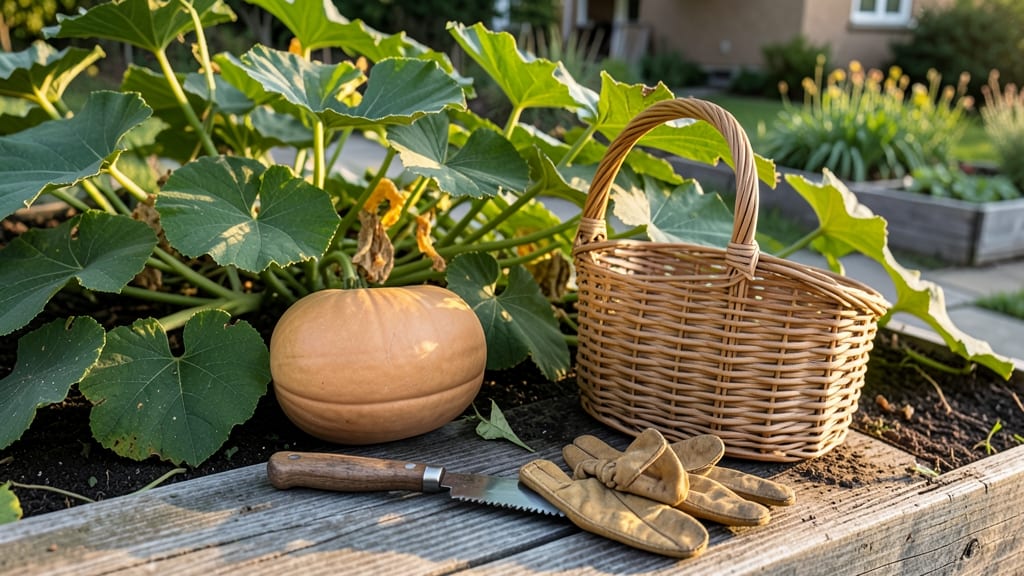
Harvesting butternut squash from the garden at the right time turns a watery, bland mess into a sweet, nutty treasure 🎃—and missing that window means tough skin or wasted effort.
If you’ve ever sliced into a squash only to find it still hard or stringy, you know how frustrating it is to guess when it’s truly ready.
The good news? There are three foolproof signs—no calendar math required—to tell you when to pick, plus how to adjust for your climate.
Below, I’ll walk you through the visual cues (skin color, stem condition) and the one simple test that replaces guesswork. You’ll also learn how frost risk and your growing zone shift the timeline—and what happens if you wait too long.
By the end, you’ll harvest butternut squash with confidence, whether you’re storing them for winter or roasting them fresh from the vine.
3 Unmistakable signs your butternut squash is ready for harvest
Butternut squash reaches its peak when it balances sweetness and texture—just like a perfectly ripened fruit. The challenge? Many gardeners rely on color alone, only to find their squash still underripe or overripe.
I’ve learned the hard way that three key signals—not just one—tell you when to pick. These cues work together to guarantee that golden, flavorful harvest you’ve been waiting for.
First, let’s address the most common mistake: assuming a squash is ready just because it’s turning orange. While color is part of the equation, it’s not the whole story. A squash might look ripe but still taste bland if you ignore the other two signs.
That’s why I always check all three before making the cut. Trust me, your taste buds—and your storage space—will thank you.
The skin color of a butternut squash shifts from green to a deep, matte tan or beige as it ripens. This isn’t the bright orange you might expect—it’s more of a warm, earthy tone.
If your squash still has green streaks or a shiny surface, it’s not ready yet. Think of it like a sun-ripened tomato: the deeper the color, the sweeter the flavor.
📌 Numbered Highlights: 3 Signs Your Butternut Squash Is Perfectly Ripe
- 1
- 2
- 3
Next, pay attention to the stem condition. When your butternut squash is ready, the stem at the neck will dry out and shrink. This is nature’s way of signaling that the squash has reached its sugar peak.
If you see a green, plump stem, your squash still needs time. Pro tip: If the stem detaches easily when you gently pull, the squash is overripe and past its prime.
The 'thump test' is my favorite trick because it’s foolproof. Hold the squash in one hand and tap it lightly with your knuckle. A ripe butternut will produce a deep, hollow sound, almost like a drum.
If it sounds dull or muffled, it’s either underripe or overripe. This test works even when the squash looks close to ready but you’re unsure. Think of it as the gardener’s version of knocking on wood!
False signals can trick even experienced gardeners. For example, a squash might prematurely yellow due to stress like drought or disease, but that doesn’t mean it’s ripe. Always cross-check with the other two signs.
Similarly, a squash that’s too soft might be overripe or rotting inside. If the skin gives slightly when pressed, it’s time to harvest—before pests or rot set in.
Timing your harvest is especially critical if you’re storing your butternut squash for the winter. Squash harvested too early won’t ripen further and will spoil quickly. On the flip side, leaving it too long on the vine can lead to tough skin and reduced sweetness.
The goal is to pick it at the peak of ripeness, when it’s ready to be enjoyed or stored.
One more tip: Harvest your butternut squash before the first frost. Cold temperatures can damage the skin and reduce storage life. In most regions, this means picking by late September or early October.
If you’re in a warmer climate, you might have a few extra weeks. Always check your local frost dates to plan accordingly.
Once you’ve confirmed all three signs, use a sharp knife or pruning shears to cut the squash from the vine, leaving a few inches of stem attached. This helps extend its shelf life.
Store your freshly harvested butternut squash in a cool, dry place** with good airflow. With proper care, it can last for months, giving you homegrown flavor long after the growing season ends.
Now that you know the three unmistakable signs, you’ll never second-guess your butternut squash harvest again. Happy gardening—and may your squash always be sweet and perfectly ripe! 🎃
Butternut squash harvest timeline: months, days, and climate adjustments
Your USDA zone and local climate dictate when to harvest butternut squash—because a 90-day timeline in Zone 5 looks very different from 80 days in Zone 9.
Heat, frost risk, and daylight hours all play a role in shifting your harvest window by 2-4 weeks depending on where you garden.
In cool climates (Zones 3-5), butternut squash typically matures between late September and early October, while warm climates (Zones 8-10) often see harvests as early as August. The key is balancing days to maturity with first frost dates—because once frost hits, even ripe squash suffer.
Here’s how to adjust your harvest timeline based on your growing conditions, with a side-by-side comparison of standard vs. accelerated growth cycles:
| Growing Condition | Standard Harvest Window | Accelerated Harvest Window | Key Adjustments |
|---|---|---|---|
| USDA Zones 3-5 (Cool Climate) | 95-100 days after planting (Late Sept-Oct) | 85-90 days (Early Sept) | Use black plastic mulch to warm soil |
| USDA Zones 6-7 (Moderate Climate) | 85-95 days (Mid-Sept) | 75-80 days (Late Aug) | Plant heat-tolerant varieties like 'Waltham' |
| USDA Zones 8-10 (Warm Climate) | 75-85 days (Aug-Sept) | 65-70 days (Mid-July) | Use shade cloth to prevent bolting |
| All Zones | Harvest before first frost | Extend season with row covers | Monitor for pests that accelerate maturity |
For gardeners in short-season areas (Zones 3-5), I recommend planting fast-maturing varieties like 'Gold Rush' (80 days) or using season extenders to push your harvest window.
In longer growing seasons (Zones 8-10), you can often get two harvests by planting successive crops every 2-3 weeks after the last frost.
Pro tip: Track your first frost date and count backward from there—this gives you a hard deadline for harvest. Most butternut squash varieties need at least 85 days to mature, but some heirloom types can take up to 110 days, so check your seed packet for exact timing.
Remember, climate isn't the only factor—soil temperature, rainfall patterns, and even your watering consistency can shift maturity by 1-2 weeks. Always prioritize visual ripeness cues over calendar dates to avoid underripe or overripe squash.