
Flowers
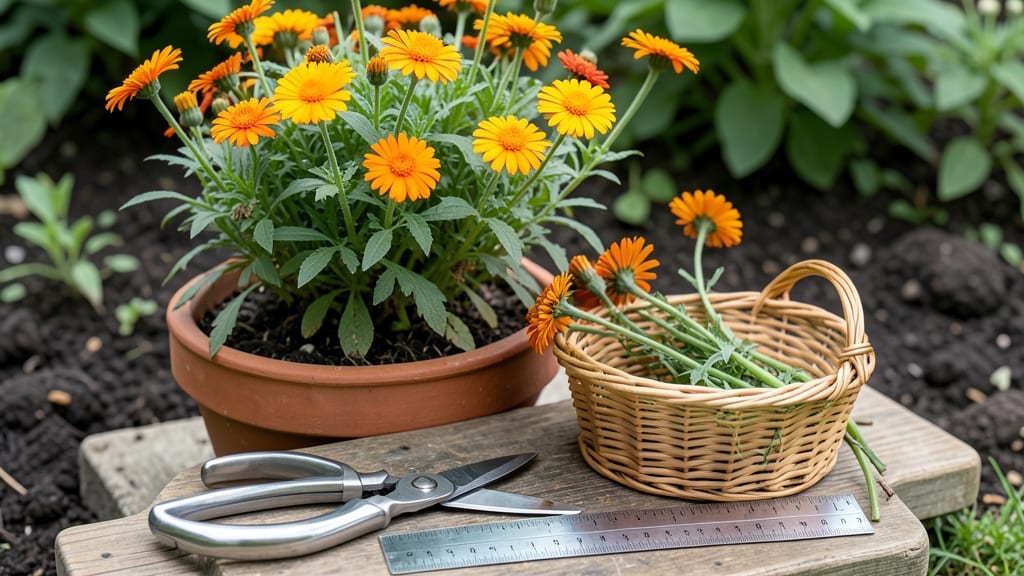
Harvest calendula flowers when petals are fully open but before they brown 🌼 — timing this right ensures the best flavor, color, and medicinal properties.
Miss that window, and you’ll end up with bitter petals or wasted seeds—both mistakes I’ve made more times than I’d like to admit. The secret? Watching for that golden shift in color and the firmness of the center disk.
In Zone 6a, your harvest window stretches from June through October, with peak quality in July and August. But even in warm climates, early morning cuts yield the brightest petals and longest vase life.
Below, I’ll show you exactly how to spot the perfect harvest moment, how often to cut for continuous blooms, and the one trick that keeps calendula producing all summer long.


How to spot the perfect petal color shift for harvesting
Calendula flowers are like nature’s color-changing indicators—their petals shift from pale yellow to deep golden orange as they mature. This subtle transformation is your cue for the ideal harvest window.
But timing matters: pick too early, and you’ll get underdeveloped petals; wait too long, and they’ll turn bitter or papery. I’ve learned the hard way that morning harvests yield the brightest, most potent petals.
Pay close attention to the center disk of the flower. When it’s a firm greenish-yellow (not brown or dry), that’s your prime harvest signal. The petals should be fully unfurled but still vibrant and slightly plump.
If you see any browning edges or drooping petals, you’ve missed the window. These visual cues are your secret weapon for maximum flavor and medicinal potency.
Here’s the color progression you’ll see in your calendula blooms:
- Pale yellow (not ready)
- Golden yellow (early harvest)
- Bright orange (peak harvest)
- Dark brown (overripe)
| Petal Color | Center Disk | Best Time to Harvest | Harvest Quality |
|---|---|---|---|
| Pale Yellow | Green | Not ready | Underdeveloped |
| Golden Yellow | Greenish-yellow | Early morning | Good |
| Bright Orange | Firm yellow-green | Peak harvest | Best quality |
| Dark Brown | Dry/brown | Too late | Bitter |
Did you know that late afternoon harvests can trick you into picking overripe flowers? By 3 PM or later, calendula petals often close slightly and lose their vibrant hue due to heat stress.
Always harvest in the cool hours—either early morning (6-9 AM) or late afternoon (4-6 PM)—to ensure you’re getting the brightest, most potent petals.
For medicinal use, aim for the bright orange stage—this is when calendula contains the highest levels of flavonoids and carotenoids. If you’re harvesting for culinary purposes, like infusing oils or making teas, the golden yellow stage is still excellent but slightly milder in flavor.
I’ve found that cutting stems at a 45-degree angle just above a leaf node encourages more blooms to form, extending your harvest season.
One pro tip I swear by: Harvest every 2-3 days during peak bloom. This prevents over-maturation and keeps your plants producing fresh flowers for weeks. If you see more than 20% of blooms turning brown, it’s time to prune back the plant to encourage new growth.
Regular harvesting also reduces seed production, which means more energy goes into petal development.
Humidity plays a sneaky role too. In high-humidity climates, calendula petals may close earlier in the day, so check them by 11 AM. In dry conditions, they’ll stay open longer, but you’ll still want to harvest by midday to avoid wilting.
Always trim stems to 4-6 inches after cutting—this stimulates bushier growth and more flowers.
Remember, calendula is a self-seeding annual, so the more you harvest, the more it’ll reward you with new blooms. But if you let too many flowers go to seed, your plant will shift focus to seed production instead of petals.
Balance is key: harvest 50-70% of blooms at peak color, leaving a few to go to seed for next year’s crop.
Pro tip: Store harvested calendula in a paper bag in the fridge for up to 5 days to preserve color and potency. If you’re drying them, hang stems upside down in a dark, dry place for 1-2 weeks.
The dried petals will deepen to a rich terracotta color, signaling they’re ready for tea blends, salves, or potpourri.
Seed head development: when to harvest for seeds vs. flowers
Knowing when to harvest calendula for petals versus seeds is the difference between vibrant salves and bitter tea. The seed head’s transformation from green to papery brown signals whether to cut for culinary use or save for next year’s garden.
For flower petals, harvest when the center disk is still greenish-yellow and firm—this ensures maximum medicinal potency and vibrant color. But if you’re after seeds, wait until the entire seed head turns dry and papery, often with a slight brown tint.
Here’s how to tell them apart at a glance—and when to act:
If you miss the petal harvest window, the flowers will turn bitter as they mature into seed heads. Conversely, harvesting seeds too early results in low viability—wait until they’re fully dry to ensure strong germination.
For a continuous harvest, pinch back spent blooms regularly. This encourages new flower production and extends your season from early summer through fall. Just remember: seeds win over petals when the heads turn crispy and brown!
Now you’ve got the perfect timing for both uses—no more wasted blooms or weak seed batches. Happy harvesting! 🌼