
Picking
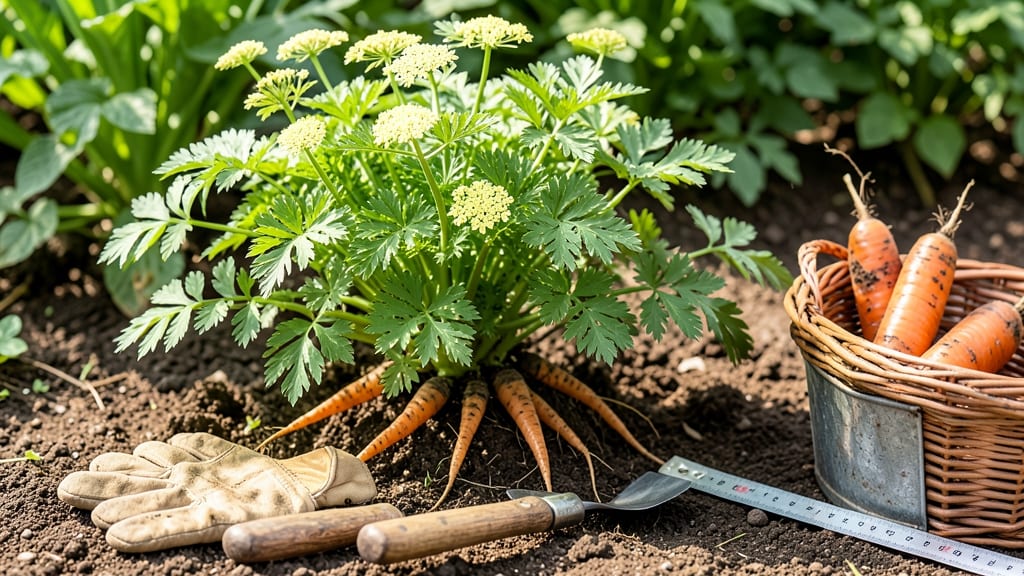
Harvesting carrots from your garden at just the right time means the difference between sweet, tender roots and tough, bitter disappointments — and the key is knowing exactly when to pull them.
Picture this: you’ve spent weeks tending to your 🥕 patch, and now the moment of truth arrives. But how do you know if they’re ready? Too soon, and they’re tiny and watery; too late, and they’ve gone woody.
The secret lies in three simple tests that tell you when your carrots are at their peak.
In USDA Zone 6a, timing matters even more—spring and fall harvests demand different strategies. I’ll walk you through the best months, how to check for perfect size and color, and why soil conditions can make or break your harvest.
By the end, you’ll confidently pull carrots that are crisp, flavorful, and the star of every meal—no guesswork required.


3 Tactile tests to determine when carrots are ready for harvest
There’s nothing worse than pulling a carrot from the soil only to find it’s woody, undersized, or bitter. With these three tactile tests, you’ll know exactly when your carrots are at their peak—sweet, crisp, and ready to eat.
The best part? You won’t even need a ruler or calendar. Just your hands and a little patience.
Carrots mature at different rates depending on the variety (Danvers, Nantes, or Chantenay) and growing conditions. While most gardeners wait 70-80 days after sowing, the real magic happens when you feel and observe the roots.
These hands-on methods let you assess maturity without damaging your crop, so you can harvest at the perfect moment.
-
1. Soil Resistance Test
Gently squeeze the top of the soil around the carrot’s foliage. If the soil resists slightly (like pressing a firm pillow) and the carrot doesn’t wiggle loose, it’s likely 1/2 to 1 inch thick—the ideal size for most varieties. Loose soil means it’s not ready yet. -
2. Finger Squeeze Test
Pinch the carrot’s shoulder (where the root meets the foliage). A mature carrot will feel firm but not hard, like a ripe avocado. If it’s soft or mushy, it’s overripe; if it’s easily pierced with your fingernail, it’s underripe. -
3. Leaf Flexibility Test
Gently grasp a carrot’s leaf near the base and bend it slightly. Healthy, mature leaves should bounce back but not snap. If they’re wilting or brittle, the carrot may be stressed or overripe. Aim for leaves that are 3-4 inches tall and vibrant green.
Don’t overlook the visual cues that pair with these tactile tests. Mature carrots should have a deep, consistent color—orange for standard varieties, purple for heirlooms, or yellow for golden types.
The skin should be smooth, not cracked or rough, which can happen if the soil dries out too quickly.
For baby carrots (harvested at 1/4 inch diameter), you’ll want to pull them when the foliage is just 1-2 inches tall.
These are perfect for quick salads or snacks, but they’ll lack the sweetness of fully mature roots. Thin your crop early to give remaining carrots space to grow.
Timing your harvest also depends on the season and climate. In cooler climates (USDA Zones 3-5), carrots often mature faster in spring than in fall. Meanwhile, warmer zones (Zones 7-10) may see slower growth during summer’s heat.
Always adjust for your local frost dates—carrots can’t tolerate frost, so plan to harvest before the first 28°F night.
One common mistake is waiting too long for carrots to reach their full size. Once they’ve exceeded 1.5 inches in diameter, they’ll start tasting woody and pithy.
On the flip side, harvesting too early (before 1/4 inch) means you’ll get small, watery roots with minimal flavor. Balance is key!
Pro tip: Harvest in the morning when soil is moist but not soggy. This reduces stress on the plant and ensures your carrots stay crisp and sweet.
After pulling, brush off excess dirt and store them in a cool, dark place (like a root cellar) for up to 3 weeks.
With these tactile tests, you’ll never second-guess your carrot harvest again. Whether you’re growing Danvers for storage or Nantes for fresh eating, trust your hands—and your garden’s timing—to deliver the perfectly ripe crop every time. Happy harvesting! 🥕
Carrot harvesting timeline: month-by-month guide for optimal flavor
Timing your carrot harvest isn’t just about counting days—it’s about understanding how seasonal shifts and variety traits work together. In my USDA Zone 6a garden, I’ve learned that spring and fall harvests require completely different strategies.
While Danvers carrots (great for storage) may be ready in 70 days, Nantes varieties (sweet and tender) often need 75-80 days. Even Chantenay types (short and stout) mature faster in cooler weather.
Your local climate plays a huge role too. In northern regions (Zones 3-5), spring harvests often happen 2-3 weeks earlier than fall due to shorter daylight. Meanwhile, southern gardeners (Zones 7-10) can extend fall harvests well into November by choosing heat-tolerant varieties like ‘Solar Yellow’.
Always check your last frost date—carrots won’t survive below 28°F, so plan harvests accordingly.
| Month | Spring Varieties | Fall Varieties | Key Harvest Cues |
|---|---|---|---|
| April | Danvers (70 days) | Nantes (75 days) | Soil temp 55°F+; leaves 3-4" tall |
| May | Chantenay (65 days) | Danvers (70 days) | Firm roots 1/2" diameter; vibrant color |
| June | Baby carrots (50 days) | Early Nantes (60 days) | Thin crop; harvest every 2 weeks |
| September | N/A | Danvers (70 days) | Soil temp 60°F+; avoid bolting |
| October | N/A | Chantenay (65 days) | Harvest before first frost; store roots |
For spring harvests, start checking carrots in late May to early June when soil temperatures reach 55°F. I always prioritize Danvers varieties first—they store well and handle cooler spring soils better.
Use the soil resistance test (from Section 1) to confirm readiness. In northern climates, spring carrots often mature 10-14 days faster than fall crops due to cooler night temperatures.
Fall presents different challenges. Plant succession crops in August for a September-October harvest, but watch for bolting if nights stay warm. Nantes varieties excel in fall—their sweetness peaks when days shorten.
In southern zones, extend harvests by planting heat-tolerant types like ‘Red Cored Chantenay’ and using shade cloth during summer’s peak heat.
One trick I’ve perfected is staggered planting. By sowing every 2 weeks from March to August, I ensure a continuous harvest. For example, my first spring batch (planted March 15) hits peak flavor in late May, while my fall batch (planted August 1) matures by mid-October.
This method prevents glut and guarantees fresh carrots year-round.
Remember: harvest timing affects flavor. Carrots left too long in warm soil develop woody cores, while those pulled too early lack sweetness. The perfect window is when roots reach 1/2 to 1 inch diameter and foliage is 3-4 inches tall.
Use these seasonal guides as your roadmap, but always trust your tactile tests over calendar dates.
With this month-by-month approach, you’ll transform your carrot patch from guesswork to gourmet. Whether you’re aiming for crisp spring snacks or sweet fall storage roots, precise timing turns ordinary carrots into garden gold. Now go enjoy that harvest—your taste buds will thank you! 🥕