
How To
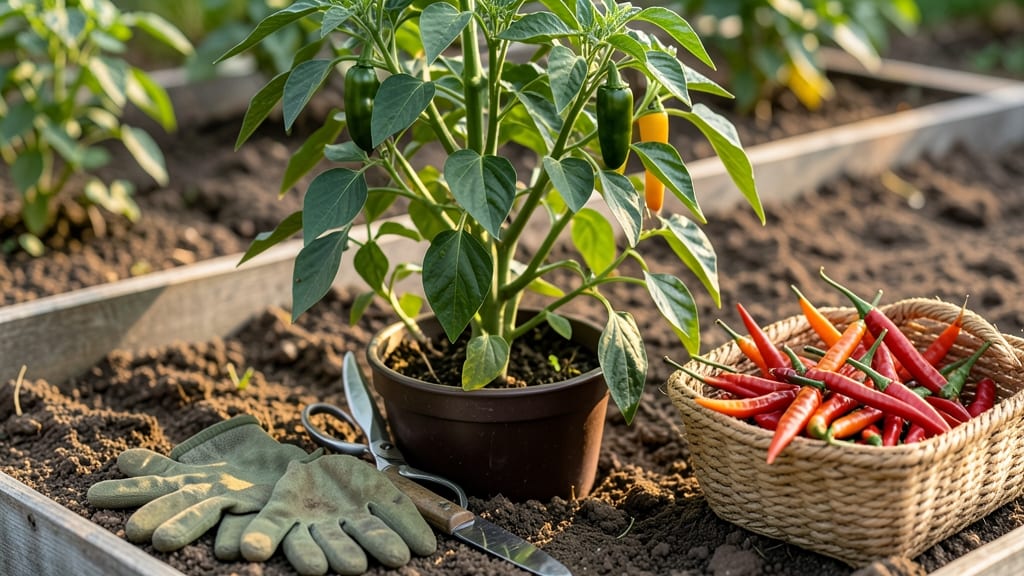
Harvesting cayenne peppers at the right time means the difference between a fiery, flavor-packed harvest and bitter, underripe pods that fall short of their potential.
Timing the harvest of cayenne peppers perfectly is the secret to unlocking maximum heat and flavor—miss it, and you’ll end up with bitter pods instead of fiery gems.
But how do you know when these spicy beauties are ready? The answer lies in three simple tactile tests that reveal ripeness without guesswork.
From July to October in most growing zones, cayenne peppers mature at different rates depending on your climate. In Zone 6a, where spring planting kicks off in April, you’ll likely see pods ready for harvest by late summer.
But whether you’re in a hotter region or a cooler one, the key is recognizing the subtle cues that signal peak ripeness.
Below, I’ll walk you through the three foolproof ways to test cayenne ripeness—plus how to adjust your harvest timing for the best flavor, whether you’re drying, powdering, or eating them fresh.


3 Tactile tests to determine cayenne pepper ripeness
Harvesting cayenne peppers at the wrong time can turn your fiery dreams into bitter disappointments. Unlike bell peppers that sweeten when ripe, cayennes develop their signature heat and flavor only when fully mature.
The good news? You don’t need fancy tools—just your hands and eyes to perform these three tactile tests that reveal ripeness instantly.
These tests work for all cayenne varieties, from classic red cayennes to yellow or black varieties. Whether you’re growing in containers or garden beds, these methods apply universally. The key is consistency—check your pods every 2-3 days during peak harvest season (typically July to October in Zone 6a).
🌶️ Numbered Highlights: Cayenne Ripeness Tests
- 1. Skin Texture Test: Run your thumb over the pepper’s surface. Ready pods feel firm and glossy, like a fresh apple. Unripe pods are soft or waxy.
- 2. Stem Separation Test: Gently twist the pepper at its stem. If it snaps cleanly (not pulls), it’s ripe. Resistance means it needs more time.
- 3. Color Progression Test: Compare the pepper’s color to its mature hue. Fully colored pods (deep red/orange/yellow) are ready. Green patches mean it’s not there yet.
Let’s break down each test in detail, including what to watch for and how to avoid the three biggest mistakes that turn perfect cayennes into flavorless failures. First up: the skin texture test, which is your first line of defense against underripe peppers.
The skin texture test is the most reliable early indicator. Press your fingernail into the pepper’s side—if it leaves a slight dent that bounces back, it’s ready.
If the skin wrinkles or stays indented, wait 2-3 more days. Pro tip: Morning harvests work best because peppers firm up overnight after absorbing moisture.
Next, the stem separation test reveals maturity at the pepper’s connection point. Grab the pepper’s stem between your thumb and forefinger and give a quarter-turn twist.
A ripe cayenne will detach with a clean snap, while an unripe one will either resist or pull off with the stem attached. This test is especially critical for container-grown cayennes, where stems can be trickier to spot.
Color is the most obvious cue, but it’s also the most misinterpreted. Not all cayennes turn the same shade—some stay yellow or black when ripe.
Focus on even color distribution rather than specific hues. For example, a red cayenne should be uniformly deep red, not streaked with green or orange.
Avoid the common mistake of harvesting based on size alone. A cayenne can reach full length (typically 3-6 inches) but still be underripe if the skin feels soft. Conversely, some varieties like ‘TAM Mild’ stay smaller at maturity. Always combine size, texture, and color for accurate results.
Timing matters too—harvest in the morning after dew dries to preserve flavor. Avoid picking during hot afternoons when peppers are softer and more prone to bruising. Use clean, sharp pruners or scissors to snip stems, leaving a small stub to prevent disease.
For maximum heat retention, harvest when pods are fully colored but before they start wrinkling or softening. Overripe cayennes lose potency and develop a leathery texture. Store freshly harvested peppers in a cool, dry place (60-70°F) for up to 2 weeks before using or processing.
Now that you’ve mastered these tactile tests, you’re ready to harvest cayennes at their peak. Next, we’ll explore how color stages affect flavor and storage life—because not all ripe cayennes are created equal!
Harvest timing by color: from green to red to black
Cayenne peppers change color dramatically as they mature, and each stage offers a different heat profile and culinary use. Understanding these color shifts helps you decide whether to harvest for fresh eating, drying, or powdering.
Green cayennes are milder but can develop more heat when left to ripen.
Most gardeners aim to harvest cayennes between 75 to 90 days after transplanting, but color is your best guide. A deep red cayenne typically packs the most heat, while yellow or orange varieties may offer a slightly sweeter, fruitier flavor.
Even black or dark purple cayennes exist—these are often heirloom varieties with unique spice profiles.
| Color Stage | Best For | Heat Level | Harvest Time | Storage Life |
|---|---|---|---|---|
| 🟢 Green | Pickling, fresh salsa | Mild (10,000-30,000 SHU) | 60-75 days | 2-3 weeks (refrigerated) |
| 🟡 Yellow/Orange | Drying, fresh salads | Medium (30,000-50,000 SHU) | 75-85 days | 3-4 months (dried) |
| 🔴 Red | Powder, hot sauces | High (50,000-100,000+ SHU) | 85-90 days | 6+ months (dried) |
| 🟣 Black/Purple | Heirloom uses, fermenting | Variable (40,000-80,000 SHU) | 90+ days | 4-6 months (dried) |
If you’re growing cayennes for fresh use, you can harvest them at any stage, but green pods are best for quick pickling or salsas. For maximum heat, wait until they turn deep red—this is when capsaicin peaks.
Some gardeners even let cayennes turn black or wrinkled, which intensifies their flavor but reduces storage life.
Climate plays a role too. In cooler zones like 6a, cayennes may need extra time to ripen fully, so start harvesting green pods early** in late summer if frost threatens.
In warmer regions, pods ripen faster, so monitor them closely to avoid overripening. A light frost can also trigger ripening, so harvest before temperatures drop below 50°F.
Pro tip: Harvest in the morning when pods are firmest. Use clean pruning shears to avoid damaging the plant, and leave 1/4 inch of stem attached to prevent spoilage.
Store fresh cayennes in the fridge for up to 2 weeks, or dry them in a well-ventilated area for long-term use.
Remember, color isn’t everything—always check for firmness and glossy skin. A cayenne that’s fully colored but soft may have lost flavor. When in doubt, harvest a few pods at different stages to compare heat levels—your taste buds will thank you! 🌶️