
How To
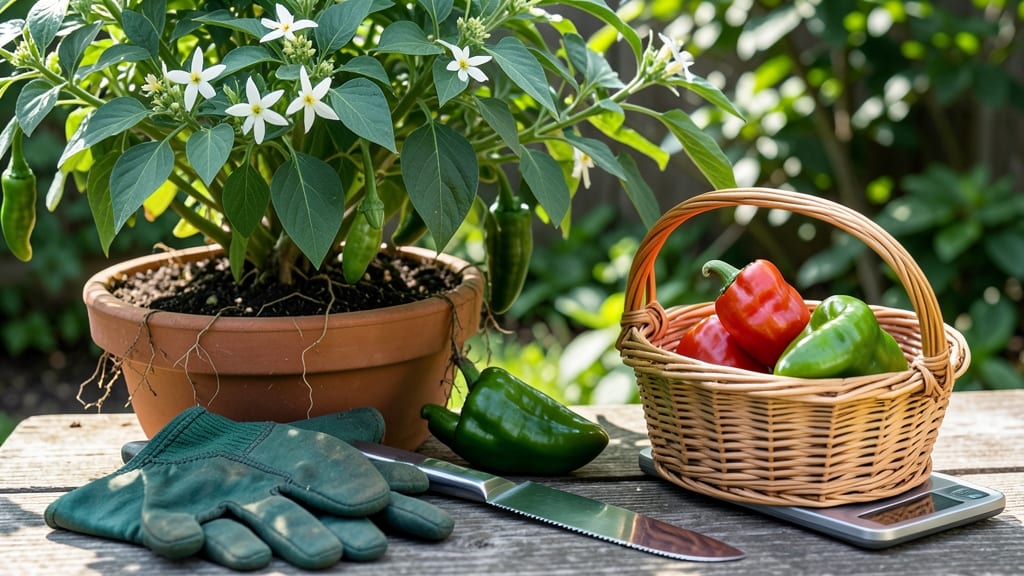
Harvesting cowhorn peppers at the right time means capturing their signature sweet-spicy flavor 🌶️—not a mealy bite or wasted effort.
You’ve nurtured them through 120 days of growth, and now the moment matters: pick too soon, and you’ll miss the peak; wait too long, and they’ll turn bitter. The key? Watching for that perfect color shift, a slight give when you press, and even a subtle seed jiggle.
In this guide, I’ll walk you through the exact cues—from vibrant hues to the seed jiggle test—so you never second-guess when to snip. Plus, I’ll share how to store them afterward to keep that garden-fresh taste for weeks.
No more guessing games—just crisp, flavorful peppers straight from your plant to your plate.


Cowhorn pepper color chart: when to harvest by ripeness stage
Harvesting cowhorn peppers at the right color stage transforms their flavor from grassy and underripe to sweet, spicy, and complex. These peppers go through distinct color shifts—green to yellow, orange, or red—each marking a different flavor profile and texture.
Understanding these stages ensures you don’t miss the peak moment when their sweetness peaks and heat balances perfectly.
For example, green cowhorn peppers are milder and crisp, while red or orange varieties develop a sweeter, fruitier taste with a subtle heat. Overripe peppers, however, lose firmness and develop a mealy texture and bitter notes. Let’s break down each color stage and what it means for your harvest timing.
Visual cues are your best friend when harvesting cowhorn peppers. A glossy skin indicates ripeness, while dull or wrinkled skin signals overripeness. Pay attention to the stem’s flexibility—it should snap cleanly when bent, not tear or feel rubbery. These physical traits complement the color changes to help you decide the perfect moment to pick.
Here’s a quick reference to guide you through the color evolution of cowhorn peppers and when to harvest them for the best results:
Green cowhorn peppers are often harvested early for salsa or pickling, but they lack the depth of flavor found in fully ripened peppers. The breaker stage, where color bands appear, is ideal for many gardeners because it offers a balanced sweetness and mild heat.
This stage is perfect for fresh eating or roasting, as the texture remains crisp and the flavor is well-developed.
When cowhorn peppers reach their final color—whether red, orange, or yellow—they’re at their sweetest and most flavorful. At this stage, their skin becomes glossy, and the stem snaps cleanly when bent.
This is the peak harvest window for preserving or cooking, as the sugar content is highest and the heat is perfectly balanced.
Overripe cowhorn peppers are easy to spot—they lose their glossy sheen and develop a dull, wrinkled skin. Their texture turns mealy, and the flavor becomes bitter.
If you’ve missed the harvest window, these peppers are best used in cooked dishes where their texture won’t be a concern, but they won’t shine in fresh applications.
For storage purposes, harvest cowhorn peppers at the breaker or mature stage to preserve their flavor and texture longer. Store them in a cool, dark place (like a pantry) for up to 2 weeks.
If you’re not ready to use them immediately, consider freezing or drying them to lock in their peak flavor.
Pro tip: If you’re growing multiple cowhorn pepper varieties, keep a harvest journal to track color changes and flavor profiles. This helps you predict ripening times in future seasons and ensures you never miss the perfect harvest moment again.
🌶️
The seed jiggle test: how to check ripeness without cutting peppers
If you’ve ever hesitated to harvest a cowhorn pepper because you weren’t sure if it was fully ripe, the seed jiggle test is your secret weapon. This simple, non-invasive method lets you check ripeness without damaging the pepper or compromising its flavor.
I’ve used this trick for years, and it’s saved me from harvesting too early—and missing that perfect balance of sweetness and heat.
The test works by gently shaking the pepper to see if the seeds inside move freely. When they do, it’s a clear sign the pepper is ready to pick.
This method is especially useful for cowhorn peppers, which can vary in ripening time depending on your climate and the specific variety. No more guesswork—just a quick shake and you’ll know for sure.
Before you start, make sure your hands are clean and dry. Dirt or moisture can interfere with the test and even introduce pathogens to your plant. Hold the pepper gently but firmly, and avoid pressing too hard—you don’t want to bruise the skin or the underlying fruit.
The goal is to feel the seeds shift inside without harming the pepper.
- 🌱 Step 1: Select the Pepper
Choose a cowhorn pepper that’s close to its mature size and color. Look for one that’s firm but slightly yielding when pressed gently with your thumb. - 🤲 Step 2: Hold It Securely
Grasp the pepper near the stem with one hand, ensuring your grip is steady. Avoid squeezing—just hold it firmly enough to feel any movement inside. - ✂️ Step 3: Shake Gently
Give the pepper a light shake, similar to how you’d rattle a jar to check if it’s empty. Listen and feel for any seeds moving inside. If you hear a faint rattling or feel a slight shift, the pepper is likely ripe. - 🔍 Step 4: Interpret the Results
No movement = underripe (wait 2-3 days and retest). Slight jiggle = nearly ripe (harvest soon). Clear rattling = fully ripe (harvest immediately). - 💧 Step 5: Harvest with Care
Use clean, sharp scissors or pruning shears to snip the pepper just above the stem. Avoid tearing the skin, which can invite pests or rot.
One common mistake is shaking the pepper too aggressively, which can cause bruising or even split the skin. I’ve learned this the hard way—once, I gave a nearly ripe cowhorn pepper a vigorous shake, and it split open, ruining its appearance and making it less appealing for storage.
Always use a gentle, controlled motion.
Another tip: perform the test in the morning when the peppers are slightly firmer. If you test them later in the day, they may feel softer due to heat, which can give a false impression of ripeness. Consistency is key—always test at the same time of day for accurate results.
Once you’ve confirmed ripeness with the seed jiggle test, harvest your cowhorn peppers promptly to enjoy their peak flavor. Store them in a cool, dry place, or preserve them by freezing or drying to savor their unique taste all season long.
This method ensures you’ll never miss the perfect harvest window again!