
How To
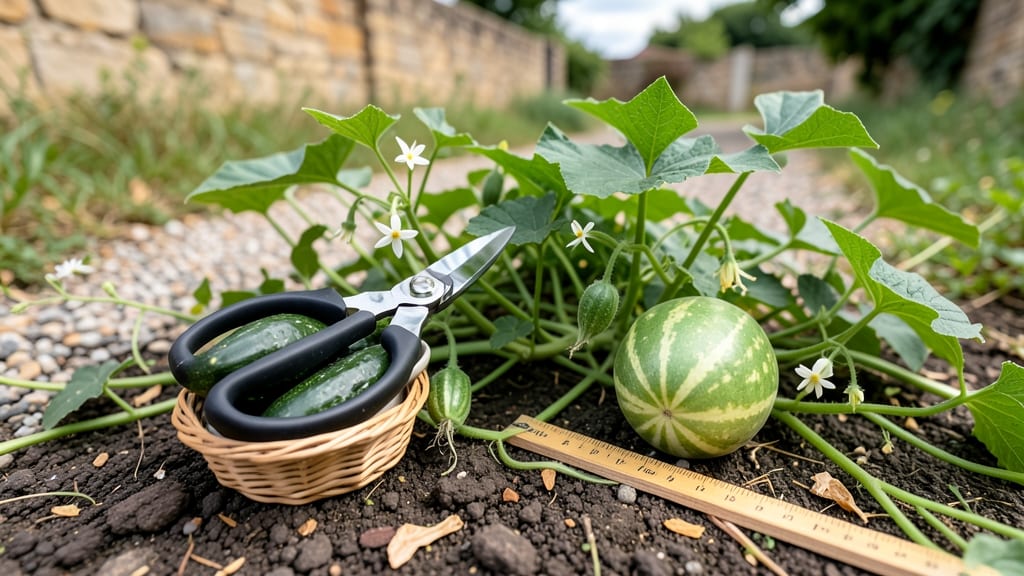
Harvest cucamelons when they’re 1–2 inches long and firm, between July and September in most zones 🍉 — timing makes all the difference between sweet, crisp bites and bitter disappointment.
Picture this: you’ve been waiting months for your cucamelons to ripen, only to pick one that’s shriveled or overly soft. That’s the risk when you don’t harvest at the right moment. The good news? With just a few simple checks—size, color, and texture—you can nail the perfect window every time.
These tiny watermelon-sized fruits mature fast, often in just 60–75 days, so regular checks are key. Overripe cucamelons turn yellow and bitter, while underripe ones stay pale and bland. The trick is catching them at that sweet spot where they’re firm but yield slightly when twisted.
Below, I’ll walk you through the three size-based tests to harvest at peak flavor, plus how to store them so they stay fresh for days. No more guesswork—just crisp, tangy cucamelons ready to eat.


3 Size-based tests to harvest cucamelons at peak flavor
Harvesting cucamelons at the right size is key to avoiding that dreaded bitter taste that creeps in when they overripen. These tiny watermelon-cucumber hybrids are best picked when they're 1-2 inches long, but how do you know for sure?
Let me break down the three size-based tests I use to guarantee perfect flavor every time.
First, check the length of the fruit. Ideal harvest size falls between 1 and 2 inches. Anything smaller is underripe and lacks full flavor, while anything larger risks bitterness. Think of it like picking green tomatoes—too early, and they're bland; too late, and they're tough.
Next, examine the width of the cucamelon. At peak ripeness, the fruit should be about 0.5-1 inch wide. If it's wider than your thumb, it's likely overripe. I always compare it to a quarter-sized coin—that's your target width for perfect flavor.
Here's where it gets fun: twist the fruit gently at its stem. If it detaches easily with a slight tug, it's ready to harvest. This stem detachment test works because cucamelons naturally release when fully mature. If it resists, give it another 2-3 days before checking again.
| Test Type | Ideal Measurement | What to Do |
|---|---|---|
| Length Check | 1-2 inches | Harvest immediately for best flavor |
| Width Check | 0.5-1 inch | Compare to quarter-sized coin |
| Stem Twist Test | Easy detachment | Gently twist at stem attachment |
| Color Cue | Translucent with stripes | Hold up to light for clarity |
🌱 Pro Tip: Harvest in the morning when fruits are coolest for best texture
Don't overlook the shape of the cucamelon. At peak ripeness, it should be slightly oval with rounded ends, almost like a tiny watermelon. If it's more cylindrical or elongated, it's either underripe or overripe. I always imagine a mini watermelon when checking shape—it's a great visual cue!
For container gardeners, size matters even more. Since space is limited, you want to pick these every 2-3 days to keep plants productive. I've found that 1-inch-long cucamelons from containers often ripen faster due to warmer soil temperatures.
One mistake I see often is waiting until cucamelons turn yellow-green before harvesting. By then, they've passed their prime! The dark green stripes should be prominent but not the dominant color. Hold the fruit up to light—if you can see through it slightly, it's ready.
Remember, regular harvesting encourages more production. When I pick cucamelons consistently at 1-2 inches, my plants keep producing for 6-8 weeks instead of just a few weeks. It's like giving your plant a little nudge to keep making more fruit!
If you're growing multiple varieties, note that some may mature slightly faster or slower. Always check the seed packet for days-to-maturity estimates, but trust your eyes and fingers for the final call. Size-based tests are your best friend when it comes to perfect cucamelons!
Finally, use a sharp knife or pruning shears to avoid bruising the fruit. Twisting can work, but I prefer cutting to prevent damage that might lead to rot. Store harvested cucamelons in the fridge for up to 5 days—they'll keep their crisp texture and tangy flavor.
How to check cucamelon ripeness beyond size: color, firmness, and taste
Once you’ve checked the size of your cucamelons, it’s time to dive deeper into their ripeness using color, firmness, and even a quick taste test.
These cues help you avoid the common pitfalls of harvesting too early or too late, ensuring every bite is packed with that signature tangy-sweet flavor. Think of it like reading a tiny, edible roadmap to perfection.
Start with color, the most obvious visual clue. When fully ripe, cucamelons develop a translucent green skin with dark green stripes. The skin should look almost like a tiny watermelon—slightly yellowish-green near the stem.
If they’re still pale green, they need more time on the vine. Overripe cucamelons turn a dull yellow, signaling they’ve passed their prime.
Next, perform the firmness test by gently squeezing the fruit. A ripe cucamelon should feel firm but slightly yielding, almost like a ripe avocado. If it’s rock-hard, it’s underripe; if it’s mushy, it’s overripe.
Pro tip: Give it a gentle twist—ripe cucamelons detach easily from the vine with just a slight tug. This means the stem will pull away cleanly without resistance.
⚠️ callout warning ⚠️
Many gardeners skip the stem twist test and end up harvesting cucamelons too early or too late. Always check if the fruit detaches easily—this is your green light to pick it. If it resists, leave it for another day. Ignoring this step can lead to bitter, seedy, or shriveled fruits.
🌱 Pro Tip: Harvest in the morning when fruits are coolest for the best flavor and texture.
For the final verdict, trust your taste buds. Pop a ripe cucamelon into your mouth—it should burst with a bright, tangy flavor similar to a mix of cucumber and lime.
Underripe ones taste bland and watery, while overripe ones develop a bitter, seedy aftertaste. If you’re unsure, slice one open: ripe cucamelons have small, soft seeds surrounded by crisp flesh.
Don’t forget to harvest regularly—every 2–3 days—to encourage more production. Overloaded vines can lead to uneven ripening, making it harder to spot the perfect cucamelon. Use a sharp knife or pruners to avoid bruising the fruit, and always leave a small stem attached to extend shelf life.
With these tricks, you’ll never miss the sweet spot again. Whether you’re snacking fresh or adding them to salads, your cucamelons will be the star of the harvest—crisp, tangy, and perfectly ripe every time. Happy harvesting! 🍉