
How To
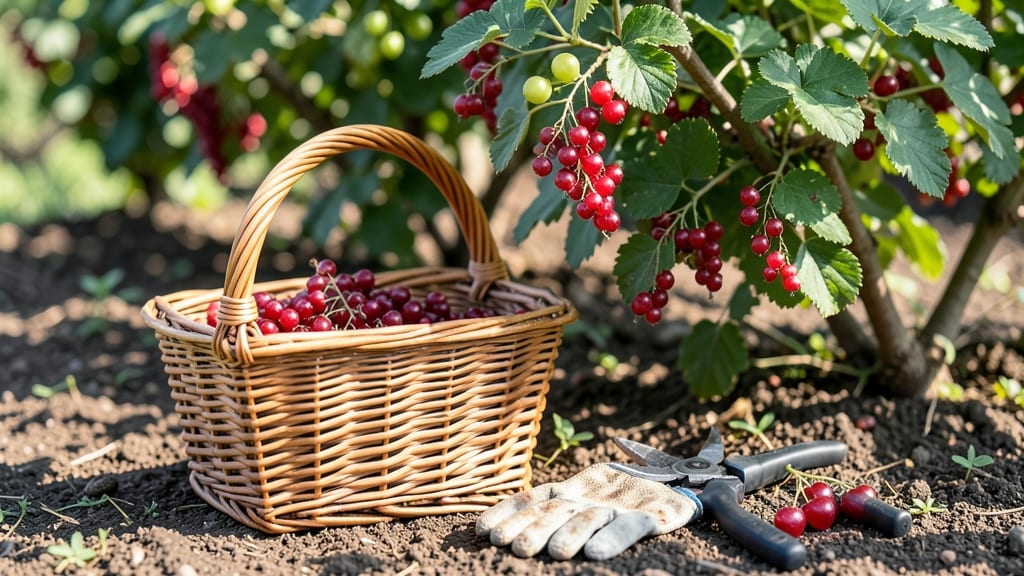
To harvest currants at their peak flavor, wait until they’re fully colored and plump—usually late spring to early summer—when the berries yield slightly to gentle pressure.
Picking currants too early means tart, underripe fruit, while waiting too long risks splitting berries or attracting pests. The trick is knowing the subtle cues: deep color, easy detachment, and a sweet-tart balance when tasted.
In USDA Zone 6a, most varieties ripen by June or July, but morning harvests avoid heat stress and preserve flavor. Below, I’ll walk you through color, size, and taste tests to nail the perfect timing—plus how to store your harvest for weeks.
Whether you’re growing red, black, or white 🫐 currants, these tips will help you avoid common mistakes and enjoy the sweetest berries all season long.


How to tell when currants are ripe by color, size & taste
Currants are deceptive little berries—what looks like peak ripeness might actually be past its prime! The key to harvesting at their sweetest lies in combining visual cues, tactile tests, and a simple taste check.
Each variety (red, black, or white) has its own subtle signals, and ignoring them can mean tart berries or attracting pests before they’re ready.
Start by examining the berry color. For black currants, they should be a deep, glossy purple-black, not just dark. Red currants turn a vibrant ruby hue, while white currants develop a pale yellow or cream color. A dull or uneven color means they’re not quite there yet.
Next, check the berry size. Fully ripe currants are plump but not oversized—think about the size of a pea or slightly larger. If they’re still tiny or shriveling, they need more time on the bush. Overripe berries often split or become mushy, signaling they’ve been left too long.
Here’s where it gets tactile: gently squeeze a berry between your thumb and forefinger. It should feel firm but yield slightly, like a ripe peach. If it’s rock-hard, it’s underripe; if it’s mushy, it’s overripe. This test is your best defense against tart or mealy berries.
Don’t skip the taste test—it’s the ultimate judge. Pop a berry into your mouth and let it sit for a moment. A ripe currant should have a balanced sweetness with just a hint of acidity.
If it’s overwhelmingly tart or bland, it’s not ready. This test is especially critical for black currants, which can turn mealy if left too long.
Another pro tip: detachability. Gently tug a berry from the stem—it should come off easily without resistance. If it’s stubborn, it’s not ripe yet. Overripe berries often fall off on their own, so check the ground for fallen fruit as a clue.
Watch for leaf cues too. As currants ripen, the leaves on that branch may start to yellow or brown slightly at the edges. This signals the plant is redirecting energy to the fruit, a natural sign of ripening. Pair this with the other cues for confirmation.
Timing matters beyond just ripeness—harvest in the morning when berries are cool and hydrated. Afternoon heat can concentrate sugars too much, making them taste overly sweet or even fermented. And avoid harvesting after rain, as wet berries bruise easily and attract mold.
Finally, remember that currants ripen unevenly. Check your bushes every 2-3 days once they start coloring up. A cluster might have a mix of ripe and unripe berries, so harvest selectively. Use sharp scissors or pruners to avoid damaging the stems.
With these cues in mind, you’ll never miss the perfect moment to harvest currants—just in time for their peak flavor and before pests or overripeness ruin the fun. Happy picking! 🫐✂️
Best time of day and season to harvest currants for maximum flavor
Timing your currant harvest isn’t just about waiting for color—it’s about catching the peak flavor window when sugars and acids balance perfectly. In USDA Zone 6a, most currants ripen between late May and early July, but the exact timing depends on your variety and local climate.
Early-season varieties like 'Consort' may ripen by June 15, while late-season types like 'Ben Connan' can stretch into mid-July.
Morning is the ideal harvest time for currants. Why? Berries are cool and hydrated, preserving their natural sweetness and texture. Harvesting in the afternoon can concentrate sugars too much, making them taste overly sweet or even fermented.
Plus, morning-picked berries bruise less when handled. If you must harvest later, do it in the early afternoon (before 2 PM) to avoid heat stress.
- Early Season (Late May): Harvest red currants first—they ripen slightly earlier than black or white varieties.
- Mid-Season (June): Peak time for black currants and white currants; check every 2-3 days for ripeness.
- Late Season (Early July): Final harvest window for late varieties; avoid leaving berries past this point to prevent splitting.
- Morning Harvest (6-9 AM): Best time for flavor preservation and easy handling.
- Avoid Rainy Days: Wet berries bruise easily and attract mold and pests.
- Temperature Check: Ideal harvest temps are 55-75°F; extreme heat or cold can alter flavor.
Weather plays a huge role in currant ripeness. Cool, cloudy days slow sugar development, while hot, sunny spells can rush ripening—sometimes making berries taste overly sweet or even fermented. If you experience a sudden heatwave, harvest slightly earlier to avoid these issues.
Rain can also dilute flavors and make berries mushy, so always check for wet conditions before picking.
Regional differences matter too. In cooler climates (Zones 3-5), currants may ripen 2-3 weeks later than in warmer zones. Keep an eye on your local frost dates—if a late frost is forecast, harvest early to protect your crop.
Conversely, in hotter zones (7+), currants might ripen faster, so monitor them closely and harvest more frequently.
Pro tip: Use a harvest calendar to track ripening stages. Start by marking the first signs of color change, then check every 2-3 days until berries meet all ripeness cues.
For black currants, this means a deep, glossy purple; for reds, a vibrant ruby hue; and for whites, a pale yellow or cream color. Once you’ve mastered the timing, you’ll enjoy currants at their absolute peak—just sweet enough with that perfect tang.
Remember, currants don’t all ripen at once. Harvest selectively, picking only the fully ripe berries while leaving the rest on the bush to mature. This staggered approach ensures you get the best flavor and extends your harvest window.
And always use sharp scissors or pruners to avoid damaging the stems—this keeps the plant healthy for next season’s crop. 🫐☀️