
How To
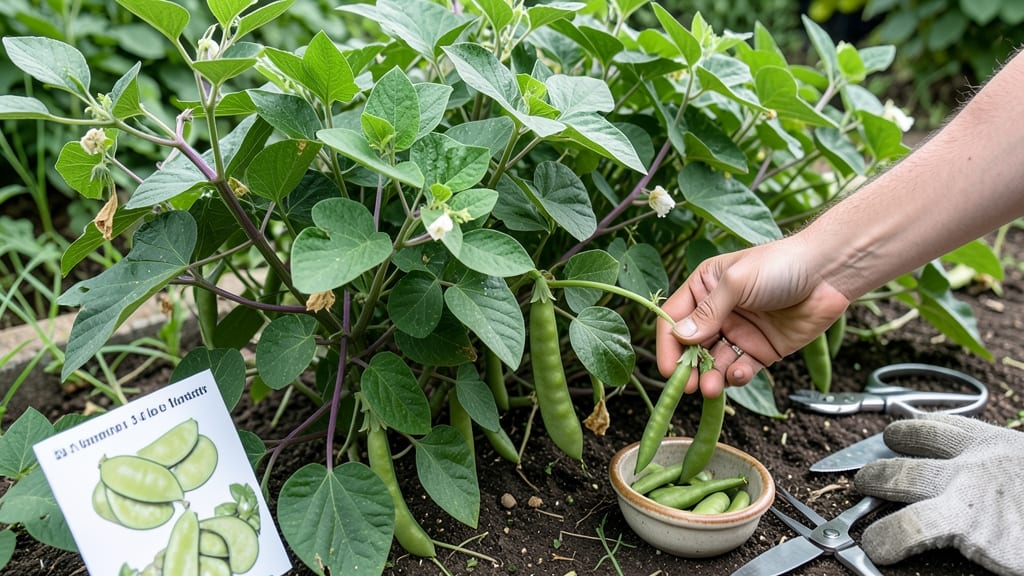
Harvesting edamame beans at the right time means tender, flavorful pods bursting with freshness—wait too long, and you’ll end up with tough, bitter beans.
Picture this: you’ve nurtured your 🌱 edamame plants all season, watching those pods swell and turn from bright green to a slightly yellow hue. But how do you know exactly when to snip them? Miss the window, and your harvest turns from a crisp, sweet delight to a chewy disappointment.
Timing is everything, especially since edamame pods mature in just 5–7 days. The key is catching them when they’re 2–3 inches long, firm to the touch, and with seeds inside that rattle just enough to tell you they’re ready—but not yet overripe.
In this guide, I’ll walk you through the visual and tactile cues to spot perfectly ripe pods, how often to check your plants, and why USDA Zone 6 gardeners should plan their harvest between July and September for the best results.


How to identify perfectly ripe edamame pods for harvesting
Harvesting edamame at the right moment transforms your garden into a treasure trove of tender, flavorful pods. The key lies in mastering visual and tactile cues—like pod firmness and seed development—that signal peak ripeness.
Miss this window, and you’ll end up with woody, bitter beans instead of the delicate treats you’re after.
I’ve learned the hard way that edamame pods mature quickly in just 2-3 days, so regular checks are a must. Start monitoring your plants when the first pods form, usually around 60 days after planting.
This is when you’ll see the subtle changes that make all the difference.
| Cue | Description | Action |
|---|---|---|
| Pod Size | 2-3 inches long | Harvest immediately |
| Pod Color | Green turning slightly yellow | Check daily for ripeness |
| Seed Development | Plump green seeds that rattle when shaken | Harvest within 24 hours |
| Pod Firmness | Slightly soft to touch, snaps easily | Harvest and enjoy fresh |
| Overripe Sign | Brown seeds, tough pods | Discard or cook immediately |
First, focus on pod size—ripe edamame pods should be 2-3 inches long. Anything smaller means they’re still developing, while pods longer than 3 inches will have overmature seeds that turn bitter.
I measure mine against my thumb for a quick reference: if the pod spans from my thumb joint to the tip, it’s ready!
Next, give your pods the gentle squeeze test. A perfectly ripe pod will feel slightly soft but not mushy—think of a ripe avocado. If it’s rock-hard, it’s too early; if it’s squishy, you’ve waited too long.
This tactile check is my foolproof method for avoiding underripe or overripe harvests.
Listen for the seed rattle—this is my favorite trick! Shake a pod over your ear. If you hear a distinct rattling sound, the seeds inside are plump and ready.
No rattle? They’re still firm and need more time. I’ve found this works best in the morning when pods are cool and seeds are fully hydrated.
Watch for color changes too. Fresh edamame pods start bright green but develop a slight yellow tint as they ripen. This yellowing is subtle—think of a lime green with a hint of lemon.
If pods turn fully yellow or brown, they’ve passed their prime and will be tough to eat fresh.
One common mistake I see is harvesting based on flower color alone. While purple or white flowers signal pollination, they don’t indicate pod ripeness. Flowers can fade while pods remain underdeveloped. Always check the pods themselves, not just the blooms.
For purple or black edamame varieties, the same rules apply, but their pods may darken slightly faster. I harvest these 1-2 days earlier than green varieties to prevent overripening. The color shift happens more dramatically in darker pods, so keep a closer eye on them.
If you’re unsure, harvest a few pods as a test. Shell one and taste it—if the beans are tender and sweet, you’re golden. If they’re hard or bitter, wait another day. This trial-and-error method helps me fine-tune my timing each season.
Remember, edamame pods continue maturing even after picking, so harvest in the morning when temperatures are cooler. This slows down the ripening process and keeps them fresher longer. Store harvested pods in the fridge for up to 3 days or freeze them for extended storage.
Edamame harvesting schedule: weekly timeline by growth stage
Understanding your edamame plants' growth stages is the secret to harvesting at peak freshness. Most varieties—whether green, purple, or black—follow a predictable timeline from flowering to pod maturity. Missing this window means sacrificing flavor and texture, so let’s break down the exact week-by-week milestones to watch for.
Your edamame journey starts with flowering, which typically occurs 40–50 days after planting. This is when those delicate white blossoms appear, signaling the beginning of pod formation.
But don’t rush to harvest yet—these flowers will develop into pods over the next 3–4 weeks, and timing is everything for that perfect snap-and-eat texture.
Here’s your weekly harvesting timeline, tailored to the most common varieties grown in USDA Zone 6. Pay close attention to pod size, color, and seed development—these are your best indicators of readiness.
Tiny pea-sized pods appear—not ready yet. Focus on watering consistently (1 inch per week) to support pod growth.
Pods grow to 1–1.5 inches. Check for green seeds inside—still too small for harvest, but monitor closely.
Harvest window opens! Pods reach 2–3 inches, turn slightly yellow, and seeds rattle when shaken. Harvest every 2–3 days to encourage more production.
Pods may overripe quickly. If seeds turn brown or pods feel woody, stop harvesting this batch. Purple/black varieties may hold color longer—harvest when pods are deep purple but still tender.
After the first harvest, prune spent pods to redirect energy to new growth. Green varieties produce continuously, while purple/black types may yield in 1–2 flushes.
Pro tip: Morning harvests work best because pods are cool and crisp. Use clean scissors or fingers to snap pods at the stem—never pull, or you’ll damage the plant.
For continuous harvests, aim to pick 30–50% of pods when they’re ready, leaving some to mature for seed saving if desired.
Regional adjustments matter! In warmer climates (Zones 7–9), edamame may mature 2–3 weeks earlier, while cooler zones (5 or below) could extend the timeline by 10–14 days. Always align your schedule with your local last frost date—edamame thrives in 70–85°F temperatures.
Now that you’ve mastered the timeline, your next challenge is post-harvest care. Freshly picked edamame stays crisp for 3–5 days in the fridge, but for long-term storage, blanch and freeze them within 24 hours to lock in that garden-fresh taste. 🌱