
How To
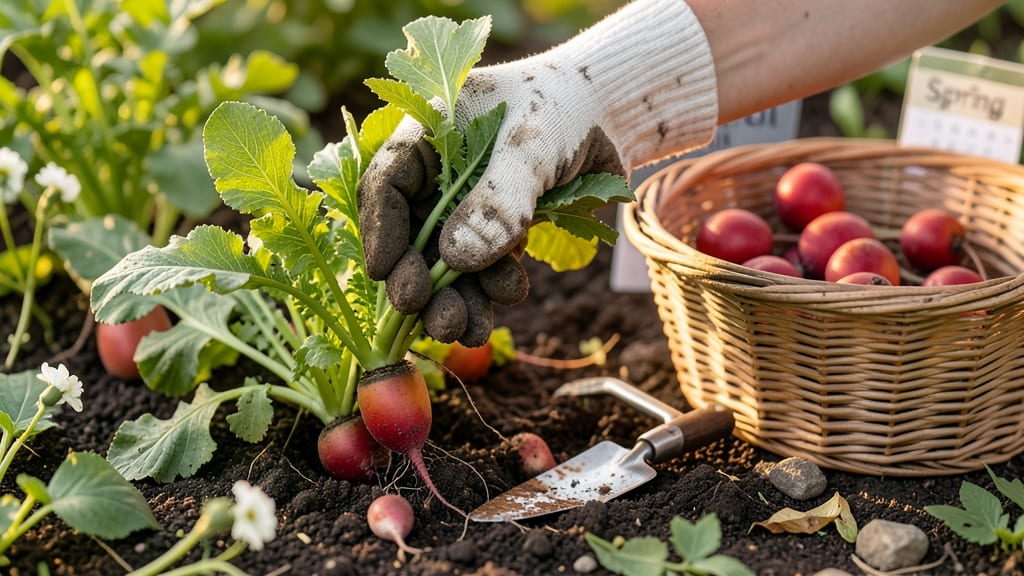
Harvesting French Breakfast radishes 🥕 at the right time means the difference between a peppery, crisp bite and a tough, bitter disappointment.
Picture this: you’ve waited 25 days for those tiny seeds to transform into vibrant, edible roots, only to pull them at the wrong moment. One week too early, and you’re left with undersized nubs; one week too late, and you’re chewing wood.
The key? Knowing when the roots hit that perfect 1-inch diameter with deep color and tender texture.
This guide breaks down the exact visual cues—from leaf color shifts to soil resistance—and how to adjust for your climate, whether you’re growing in containers or garden beds. No more guesswork, just fast, foolproof harvests every time.
You’ll also learn how to spot overcrowded plants before they ruin your crop, plus storage tricks to keep those radishes crisp for days after pulling. Ready to turn your patch into a radish factory?


French Breakfast radish size and color: the exact harvest indicators
French Breakfast radishes are famous for their fast growth and tender crunch, but getting the harvest timing right is everything. These radishes mature in just 25–30 days, so missing the window means sacrificing their signature peppery flavor and delicate texture.
The key lies in watching for three critical indicators: size, color, and soil conditions.
For the perfect harvest, aim for radishes with a diameter of 0.75–1.5 inches. This range ensures they're fully developed but still crisp and sweet. Smaller radishes (under 0.5 inches) will taste bland, while larger ones can become woody and bitter.
The color shift from pale green to deep red or purple with crisp white tips is another unmistakable cue.
Soil type plays a surprising role in harvest timing. In sandy soil, radishes mature faster due to loose, well-draining conditions, while clay soil slows growth slightly. If your soil is heavy, consider adding compost or perlite to speed up the process.
Always check the soil moisture—consistent dampness (not soggy) keeps radishes growing at their best pace.
Here’s a quick reference for when your French Breakfast radishes are ready to harvest:
| Indicator | Ready for Harvest | Not Ready |
|---|---|---|
| Size | 0.75–1.5 inches in diameter | Under 0.5 inches (tastes bland) |
| Color | Deep red/purple with white tips | Pale or uneven (underripe) |
| Texture | Firm but tender when squeezed | Hard or woody (overripe) |
| Soil Condition | Moist but well-draining | Waterlogged or dry (slows growth) |
| Leaf Signal | Slight yellowing at base | Dark green and vigorous (still growing) |
Harvesting too early means mild, watery radishes that lack the bold flavor you crave. These radishes are best eaten raw in salads or lightly cooked, but their peppery kick fades quickly if underripe.
On the flip side, waiting too long turns them bitter and fibrous, like overgrown carrots. The 25–30 day mark is your sweet spot—check daily during the last week of growth.
If your radishes start bolting (sending up flower stalks), it’s a sign they’ve overstayed their welcome. This happens when days get longer or temperatures rise, but you can still harvest the roots before the stalks harden.
For container growers, radishes in 5-gallon pots may mature slightly faster due to warmer soil temperatures. Always pull them gently by the leaves to avoid damaging neighboring roots.
Pro tip: Use a small hand trowel to loosen the soil around radishes before pulling. This prevents the roots from breaking off at the neck, which can happen if you yank too hard.
Store harvested radishes in the crisper drawer of your fridge for up to 2 weeks, but eat them fresh for the best texture and flavor.
For a continuous harvest, consider succession planting every 2 weeks in spring and fall. This ensures you always have fresh radishes on hand while avoiding the pitfalls of overripe or underripe batches. With these indicators in mind, you’ll never miss the perfect moment to harvest again!
How to test radish readiness without guessing: 3 pro methods
When your French Breakfast radishes hit the 25-day mark, it’s time to put those harvest instincts to work. But how do you know they’re truly ready without digging up every plant? The answer lies in three simple, no-guesswork methods that work for both container gardens and in-ground beds.
These tricks help you avoid the two biggest mistakes: harvesting too early (tiny, bland radishes) or too late (woody, bitter roots).
First, let’s tackle the finger squeeze test, a foolproof way to check root firmness. This method works best when the soil is slightly damp—never after a heavy rain, as soggy soil can throw off your judgment.
Grab a handful of radishes and gently squeeze them between your thumb and forefinger. If they feel firm but yield slightly, like a ripe avocado, they’re ready. If they’re rock-hard, they’ve overstayed their welcome.
Next, pay attention to the leaf color changes that signal readiness. Healthy French Breakfast radishes develop vibrant deep red or purple tops with crisp, green leaves. Just before harvest, you’ll notice the outer leaves start to yellow slightly at the edges—this is your cue to act fast.
The leaves won’t wilt completely (that’s a sign of stress), but that subtle shift means the roots are primed for picking. In container gardens, this color change happens slightly faster due to warmer soil temps.
🌱 When to Harvest French Breakfast Radishes
- 1. Finger Squeeze Test: Radishes should feel firm but slightly yielding—like a ripe avocado. Avoid hard or mushy roots.
- 2. Leaf Color Shift: Outer leaves turn yellow at edges while inner leaves stay green. Act within 1-2 days.
- 3. Root Shape & Size: Diameter of 1–1.5 inches with smooth, rounded shape. In containers, check for crowding signs (roots touching pot edges).
- Pro Tip for Containers: Gently tug on radishes—if they pop out easily, they’re ready. In-ground radishes may need a small fork to loosen soil.
- Adjust for Climate: Cooler temps slow growth—harvest at 28–30 days. Hot weather speeds it up—check at 22–25 days.
The third method focuses on root shape and size, which is especially useful for container growers. Aim for radishes that are 1–1.5 inches in diameter with a smooth, rounded shape.
If you’re growing in pots, check for roots touching the container edges—this means they’re ready to harvest or the pot is too small. For in-ground radishes, gently brush away soil to inspect size.
If the roots are lopsided or forked, they’ve been crowding neighbors and should be harvested immediately to prevent bitterness.
For those growing in containers or raised beds, timing can shift slightly due to soil temperature differences. Container soil warms up faster, so radishes may mature 2–3 days earlier than in-ground plants. To compensate, start checking readiness at 22 days instead of 25.
If your garden experiences unusually hot or cold spells, adjust accordingly: cooler weather slows growth, while heat speeds it up. Always err on the side of harvesting early—radishes left too long in the ground develop tough, pithy centers that ruin their texture.
Once you’ve mastered these three methods, you’ll never second-guess your harvest again. The key is to check daily during the final week of growth, using all three techniques together for confirmation. And remember: the best radishes are harvested in the morning after watering, when they’re at their crispest.
With this system, you’ll go from guessing to gourmet-level radish perfection in no time.
🥕