
How To
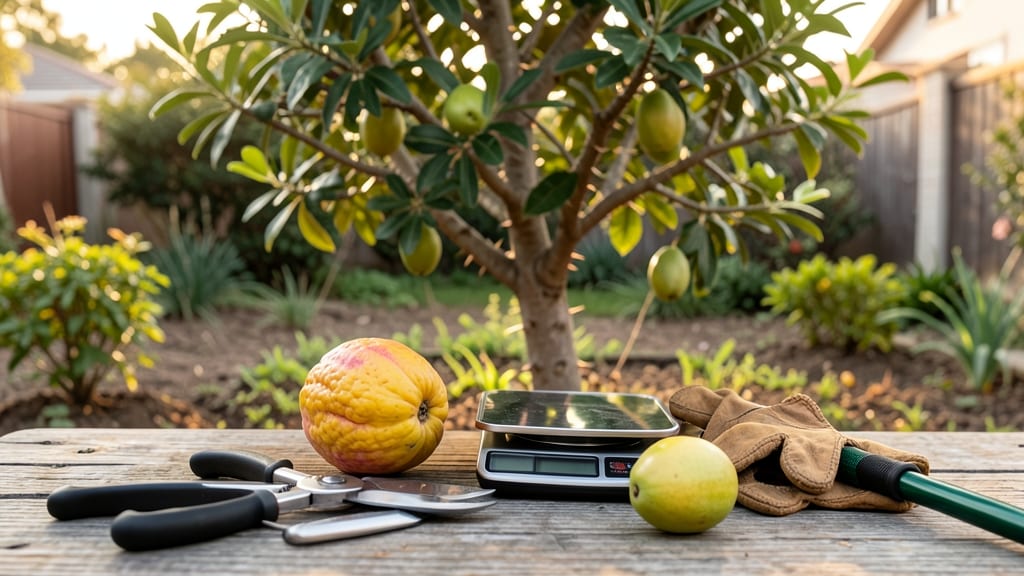
Harvesting guava at the right time means the difference between sweet, fragrant fruit 🥝 and something bland or mealy.
Picture this: you twist a guava from the tree, and it releases just slightly under your fingers—yet it doesn’t fall apart. That’s the moment you’ve been waiting for. Too soon, and the flavor won’t develop; too late, and the texture turns mushy.
The key is knowing when the fruit is ready, not just by color but by touch, scent, and even how easily it detaches.
In tropical and subtropical regions like USDA Zones 10-11, guavas ripen year-round, but timing varies by variety. Pink guavas, for example, often take 120-150 days after flowering, while apple guavas can stretch to 180+ days.
Below, I’ll break down the exact signs to watch for—so you never miss the perfect harvest window again.
You’ll learn how to test firmness, recognize the right color shift, and even spot the ideal seed development. Plus, I’ll share what happens if you pick too early or too late—and how to salvage underripe fruit. Ready to master the art of guava harvesting?


5 Key signs your guava is ready for harvest (beyond the color)
Guava trees produce fruit that’s deceptively tricky to time—color alone won’t cut it. Pink guavas might turn their signature shade but still taste bland, while white guavas can stay pale yet be perfectly ripe. The secret lies in combining visual cues with tactile tests.
I’ve harvested hundreds of guavas, and these five signs never fail me: the skin’s response to pressure, the seed’s maturity, and even the fruit’s scent when gently squeezed.
Most gardeners focus only on color, but that’s just the first clue. A guava’s true ripeness reveals itself through subtle changes in texture, scent, and how easily it detaches from the tree. For example, a fully ripe guava will yield slightly when pressed but won’t squish like overripe fruit.
Ignore these signs, and you risk picking fruit that’s either underdeveloped (hard, green inside) or overripe (mushy, fermented). Let’s break down each indicator so you’ll know exactly when to twist that guava from the branch.
Press your thumb into the guava’s skin. A ripe guava will give slightly (like pressing a ripe avocado) but won’t dent deeply. If it springs back immediately, it’s not ready. Overripe guavas will leave a noticeable thumbprint.
Cut open a candidate guava. The seeds should be dark brown (not green or translucent) and fully developed. A ripe guava’s seeds will feel firm to the touch, while underripe seeds are soft and sticky.
Gently twist the guava at its stem. A ripe guava will detach cleanly with minimal force. If it resists, it’s not ready. If the stem snaps easily, it’s overripe and may fall apart.
Hold the guava near your nose. A ripe guava emits a sweet, floral aroma (like tropical flowers). Underripe guavas smell bland or grassy, while overripe ones smell fermented or sour.
Track the days since flowering. Pink guavas typically ripen in 120–150 days, while apple guavas take 180+ days. Combine this with other signs for accuracy.
Temperature also plays a hidden role in ripening. In hotter climates (USDA Zone 11), guavas ripen faster—sometimes in as few as 100 days—while cooler subtropical zones (Zone 10) can stretch the process to 200 days.
I once grew guavas in Zone 10a and noticed fruit took 30 extra days to ripen compared to my friend’s trees in Zone 11. Pay attention to your local heat patterns: consistent 80°F+ days speed up ripening, while cool nights (below 65°F) slow it down.
Pro tip: Harvest in the morning when temperatures are cooler. This prevents the fruit from overheating and spoiling quickly after picking. I’ve seen guavas harvested in the midday sun turn mushy within hours—even if they were perfectly ripe at the time of harvest.
Store them in a shady, well-ventilated spot (like a fruit crate under a tree) for up to 5 days before eating or processing.
One mistake I made early on was relying solely on color. I picked a pale green guava thinking it was underripe, only to find it was a white guava variety that never turns pink. Always cross-check with the seed test—this is the most reliable indicator.
If the seed isn’t brown, the fruit isn’t ready, no matter how colorful it looks. For pink guavas, the skin should transition from green to a rich pink (not just a faint blush), and for white guavas, it’ll shift from green to a creamy yellow-white.
If you’re growing multiple guava varieties, label your trees and track their flowering dates. I’ve had Apple guavas ripen alongside Pink guavas in the same orchard, but their harvest windows differ by 60 days.
Use a gardening journal to note when flowers appear—this becomes your countdown clock for harvest readiness. For example, if your Pink guava bloomed on March 15, expect fruit to ripen between July 15 and August 15 (120–150 days later).
Finally, don’t overlook the fruit’s size as a secondary cue. A ripe guava will reach 80–100% of its maximum size for its variety. For instance, Apple guavas often grow larger (up
Guava variety harvest guide: when to pick Pink, white, OR Apple guavas
Not all guavas ripen on the same schedule—and picking too early or too late can ruin your harvest.
The Pink guava variety, like 'Strawberry' or 'Ruby Supreme,' typically matures in 120-150 days after flowering, while white guavas such as 'White Kwa' take 150-180 days. Apple guavas, like 'Apple Guava' or 'Lemon Guava,' can stretch to 180+ days or even up to a year in cooler subtropical climates.
Regional climate plays a huge role too. In USDA Zone 10-11, where frost is rare, guavas ripen year-round, but in Zone 9, they may take longer due to cooler nights.
For example, a 'Pink guava' in Southern California might ripen in 130 days, while the same variety in Florida could take 110 days thanks to warmer temperatures.
| Variety | Days to Ripen | Key Color Shift | Harvest Window (Zone 10-11) | Climate Adjustment |
|---|---|---|---|---|
| Pink Guava (e.g., 'Ruby Supreme') | 120-150 days | Green → Pink/Red blush | Year-round (peaks spring-fall) | Cooler zones add 10-20 days |
| White Guava (e.g., 'White Kwa') | 150-180 days | Green → Creamy white | Spring to early summer | Warmer climates ripen faster |
| Apple Guava (e.g., 'Apple Guava') | 180-365 days | Green → Yellow-green | Fall to winter | Longer in cooler microclimates |
For pink guavas, watch for the skin to develop a soft pink or red blush—this is your cue to test firmness. A ripe fruit should yield slightly when pressed with your thumb but not feel mushy.
If the skin stays hard, wait 3-5 more days for full ripeness. Meanwhile, white guavas often turn a creamy white when ready, paired with a subtle sweet aroma near the stem.
Apple guavas are trickier because their color shift is more subtle—yellow-green instead of bright hues. Here, focus on size and seed development: a mature apple guava will feel heavy for its size and have fully brown seeds.
If you’re in a cooler subtropical zone, like parts of Hawaii’s high elevations, these varieties may take up to 365 days to ripen, so patience is key.
Pro tip: If you’re unsure, harvest a few fruits early and let them ripen indoors. Place them in a paper bag with a banana (the ethylene gas speeds up ripening) and check daily. Overripe guavas will squish easily and smell fermented—so act fast once you spot those color shifts!
🌱