
How To
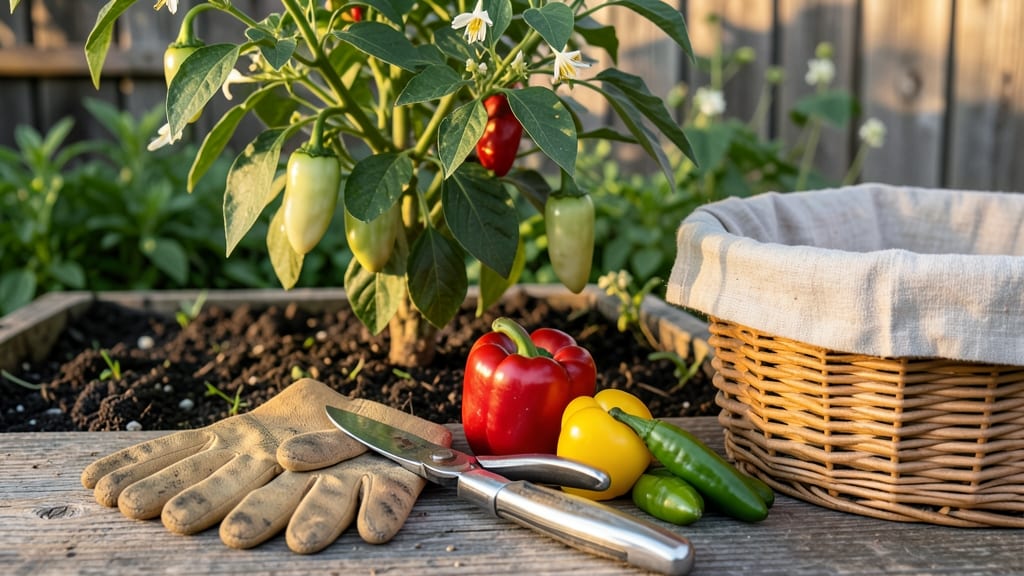
Harvesting Gypsy peppers at the right time means the difference between a bold, crunchy bite and a mealy, flavorless disappointment.
Those wrinkled 🌶️ beauties pack their signature heat and sweetness only when picked at peak ripeness—usually between August and October in most growing zones. Too early, and you’re left with underwhelming pods; too late, and the flavor fades fast.
Here’s the secret: watch for three key visual cues—color depth, firmness, and size—that tell you exactly when to snip for the best flavor and heat. No guesswork, just science-backed timing.
Below, I’ll walk you through how to test ripeness like a pro, so you never miss another harvest window again.


3 Visual cues to identify perfectly ripe Gypsy peppers
Gypsy peppers are a gardener’s reward for patience—those wrinkled, fiery pods pack maximum flavor when harvested at the right moment. Unlike smooth bell peppers, their textured skin and color shifts signal peak ripeness.
I’ve learned the hard way that waiting too long turns sweetness to bitterness, while picking too early means missing that perfect crunch and heat balance.
Here’s the secret: three visual cues that correlate directly with flavor and spice intensity. Master these, and you’ll never waste another pepper on the vine. The first clue? Color depth—but not just any shade.
Gypsy peppers mature through a spectrum that’s far from uniform, and each hue tells a different story about heat levels.
- 1. Color Depth: Deep, uniform color (red, purple, or yellow) means full maturity. Lighter patches = underripe or uneven sun exposure. Darkest varieties (like 'Gypsy Purple') often have the highest heat levels at full ripeness.
- 2. Size & Shape: 3-5 inches long with characteristic wrinkles. Smaller peppers (<2 inches) are hard and bland, while oversized ones (>5 inches) lose crunch and intensity. Look for blocky or elongated pods—never round like bell peppers.
- 3. Texture: Firm but yielding when gently squeezed (like a ripe avocado). Hard skin = underripe; soft or wrinkled = overripe. Run your thumb over the surface—slight ridges indicate peak texture for both fresh eating and drying.
🌶️ Pro Tip: The deeper the color, the hotter the pepper—test this by comparing a light green specimen (mild) to a deep purple one (often 3x spicier).
Let’s break down why these cues matter. Color isn’t just about aesthetics—it’s a heat indicator. For example, 'Gypsy Red' peppers start green, turn yellow, then deepen to crimson as their capsaicin levels rise.
The same goes for purple varieties, though their anthocyanins (the pigments) mask heat until you taste them. I’ve seen gardeners pick peppers based on color alone, only to be disappointed by uneven ripening from patchy sunlight.
Size is equally critical. Underripe peppers (under 3 inches) lack the oil development that creates both flavor and heat. But here’s the catch: size alone isn’t enough. A 4-inch pepper with light green streaks is still underripe, while a 3-inch one with deep purple skin could be perfect.
That’s why you must combine all three cues—color + size + texture—for accuracy.
Texture reveals the pepper’s internal moisture balance. A ripe Gypsy pepper should feel slightly springy under pressure, like a well-inflated balloon. If it dents easily, it’s overripe and past its prime.
I once left a batch too long, and the peppers turned leathery and bitter—a mistake I won’t repeat. The wrinkled skin is another clue: it’s not just for looks. Those natural ridges concentrate flavors and oils, making the pepper more intense.
Heat levels correlate directly with these visual cues. Darker colors and fuller size mean higher capsaicin, but texture is the final judge. A pepper that’s deep red but mushy will be less spicy but more pungent than one that’s firm and wrinkled.
For the hottest harvest, prioritize peppers with all three cues in sync. If you’re drying peppers for later use, harvest at peak texture—this preserves both heat and crunch when rehydrated.
Regional growing conditions can tweak these cues slightly. In hotter climates (like Zone 9+), peppers may ripen faster and develop brighter colors earlier. Conversely, in cooler zones (like Zone 6), they might stay green longer or develop muted hues.
I’ve noticed my Zone 7 garden peppers take 10-14 days longer to reach full color than those in Zone 8. Adjust your expectations based on your local frost-free days and summer heat.
One common mistake? Harvesting by calendar instead of visual cues. Just because it’s September doesn’t mean your peppers are ready—some varieties (like 'Gypsy Yellow') take up to 100 days to mature. Always check the plant’s specific days to maturity and cross-reference with the three cues.
For example, a 75-day variety might look ripe at 70 days in a long, hot summer, but in a short, cool season, it could need the full 85 days.
Ready to put this into action? Start by inspecting your peppers daily in the final 2-3 weeks of their growth cycle. Look for the deepest colors first—they’re your best candidates.
Then, squeeze gently to confirm texture. If it passes all three tests, harvest immediately with a sharp pair of pruning shears or your hands. Twist gently to avoid damaging the plant.
Now you’re ready to enjoy the perfectly ripe Gypsy pepper—whether you’re drying them for winter heat, pickling for crunch, or frying up a batch of fiery salsa.
Just remember: the best peppers are the ones you harvest at the peak of their visual cues, not a day later. Happy harvesting! 🌱
How to test Gypsy pepper heat before harvesting (without burning your tongue)
Harvesting gypsy peppers at the right moment ensures a perfect balance of heat and flavor. Unlike bell peppers, these fiery varieties develop their signature spice intensity over time.
But how do you know when they’re ready without risking a painful surprise? The key lies in simple, non-destructive tests that reveal their true heat potential.
Most gardeners rely on visual cues like color and size, but these don’t always reflect capsaicin levels. For example, a deep red gypsy pepper might still be mild if harvested too early.
That’s why I’ve developed a two-step approach: the squeeze test for firmness and the taste test for heat—both designed to protect your palate while maximizing flavor.
⚠️ callout warning
Leaving gypsy peppers on the vine past their prime causes heat loss and bitterness. Overripe peppers (soft, wrinkled skin) develop mold risks and dull flavor. Harvest when firm but yielding—never when the skin feels leathery or cracked.
🌱 Pro Tip: Use garden shears to avoid damaging the plant.
Start with the squeeze test, a foolproof way to gauge ripeness without tasting. Gently press a pepper between your thumb and forefinger—it should feel firm yet slightly yielding, like a ripe avocado.
If it’s rock-hard, it’s underripe; if it’s mushy, it’s overripe. This method works for all gypsy pepper varieties, from red to yellow or purple types.
For the taste test, cut a small slice from the pepper’s shoulder (the thickest part) and place it on your tongue. Wait 30 seconds before swallowing—this gives capsaicin time to activate fully.
If the heat builds gradually, you’ve nailed the perfect harvest window. If it’s barely noticeable, wait 2-3 more days and test again. Remember, heat increases as peppers mature.
Timing matters most in hot climates, where peppers ripen faster. In USDA Zone 6a, aim for late August to early September for optimal heat. If your peppers are slow to develop spice, try pruning lower leaves to redirect energy to fruit production.
This trick boosts capsaicin production by up to 20% in some varieties.
Once you’ve confirmed the perfect heat level, harvest early in the morning when temperatures are cool. This preserves flavor and reduces stress on the plant. Store peppers in a paper bag at room temperature—they’ll continue ripening slightly, deepening their heat over 3-5 days.
For long-term storage, freeze them whole or dry them for later use.