
How To
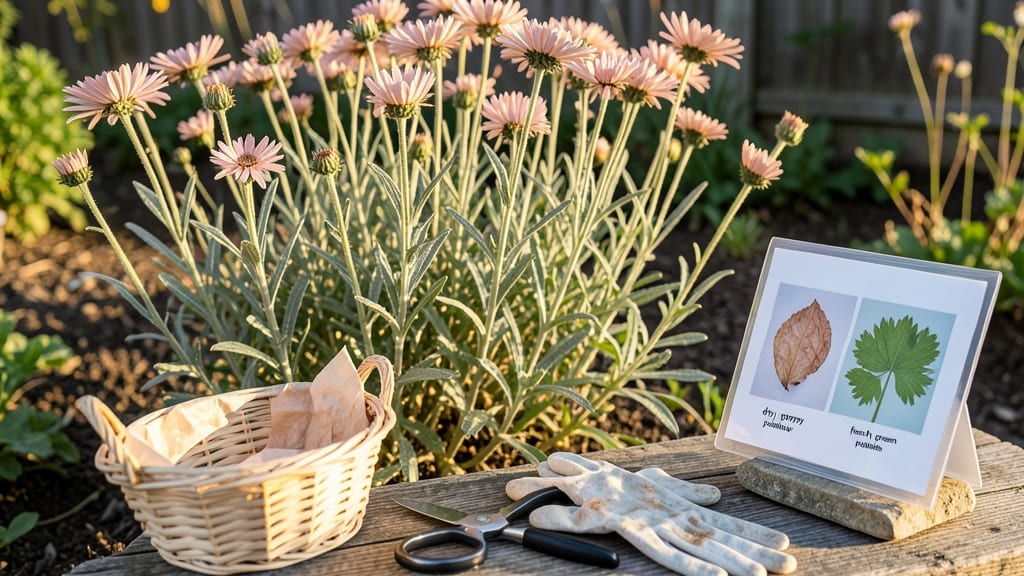
Harvesting strawflower at the right moment means capturing their peak color and texture before they dry out on the stem.
Picture this: you’ve spent weeks nurturing your 🌼 strawflower plants, and now the blooms are open—only to realize they’ve already lost their vibrancy by the time you get around to cutting them. That’s the difference between a show-stopping dried arrangement and a sad, brittle mess.
Timing is everything, and the best harvest window falls between July and October in most growing zones, like 6a. But it’s not just about the calendar—you’ll need to watch for three key visual cues: fully flat petals, deep, even color, and stems that are firm to the touch.
In this guide, I’ll walk you through exactly what to look for, how to cut them without damaging the plant, and a few pro tips to keep your dried strawflowers looking fresh for months.


3 Visual cues to identify perfect strawflower harvest time
Timing your strawflower harvest is everything when you want long-lasting dried blooms. Unlike fresh-cut flowers, strawflowers need to be harvested at their peak maturity to retain their vibrant colors and papery texture after drying.
Miss this window, and you'll end up with flowers that crumble or fade before they even dry. The good news? Strawflowers give you clear visual signals when they're ready to pick.
These three key indicators will help you determine the perfect moment to harvest: petal color saturation, bud firmness, and stem maturity. When all three align, you'll know your strawflowers are primed for cutting and drying.
Let's break down each cue so you can confidently harvest your blooms at their best.
-
1. Petals Fully Flat & Crisp
Look for completely flat petals with no curling. They should feel dry and papery to the touch, not soft or moist. -
2. Vibrant, Uniform Color
The deepest, most saturated color indicates peak maturity. Pale or uneven hues mean the flower isn't ready yet. -
3. Woody, Firm Stems
Stems should be thick and woody, not bendy. Gently squeeze—if it snaps cleanly, it's harvest-ready.
Let's start with the most obvious sign: petal color saturation. When strawflowers are ready for harvest, their petals will have reached their deepest, most vibrant hue.
For example, if you're growing Moerloose strawflowers with their signature pink and white bracts, the pink should be a rich, even tone without any pale or streaky areas. This saturation happens when the flower has fully matured and stored enough moisture to dry beautifully.
Another critical cue is bud firmness. Before they're ready, strawflower buds feel soft and pliable, almost like a fresh rosebud. But at harvest time, they become firm and slightly crisp to the touch.
Gently press a bud between your fingers—if it holds its shape and doesn't dent easily, it's ready. This firmness indicates the flower has reached its optimal moisture balance for drying.
The stem maturity is often overlooked but just as important. A ready-to-harvest strawflower stem should be woody and firm, not green and bendy. You can test this by gently bending a stem—if it snaps cleanly instead of bending, it's harvest-ready.
This woody texture ensures the stem will hold up during drying and won't flop or break when you're arranging your dried bouquets.
Here's a quick trick to test all three cues at once: Gently shake the flower cluster. If the buds rattle slightly and the petals feel dry and crisp, you've found your perfect harvest time.
This little shake test combines the firmness of the buds with the papery texture of the petals, giving you a two-in-one confirmation that your strawflowers are ready.
Timing your harvest based on these visual cues ensures your dried strawflowers will retain their color and shape for months. Unlike fresh flowers, which wilt quickly, strawflowers continue to dry and harden after picking, making the harvest window slightly flexible.
However, waiting too long can cause the petals to over-dry and become brittle, so don't delay once you spot these signs.
One common mistake is harvesting strawflowers when the petals are partially open but still curled. These flowers may look vibrant in color, but their moisture content is too high, leading to uneven drying and potential mold.
Always wait until the petals are fully flat and crisp—this is your guarantee of long-lasting dried blooms that hold their shape and color.
For the best results, harvest your strawflowers early in the morning on a dry day. This timing reduces the risk of stem damage from dew and ensures the flowers have the maximum moisture balance for drying.
After harvesting, trim the stems to about 12-18 inches and remove any lower leaves to prevent mold during the drying process.
Once you master these three visual cues, you'll never again wonder when to harvest strawflower for the best dried arrangements. The key is to observe your plants daily during their peak blooming season—usually mid-to-late summer in most climates.
With practice, you'll develop an eye for spotting the perfectly mature strawflower every time.
🌻
How to harvest strawflowers without damaging future blooms
Harvesting your strawflowers at the right time preserves their beauty and keeps your plants thriving. The key is precision timing—cutting too early means weak stems, while waiting too long risks dried-out petals.
I’ve learned that the morning hours are ideal for harvesting, as the blooms are fully hydrated and firm after a night’s rest.
Start by selecting stems with fully open petals that are flat and crisp to the touch. These blooms will dry best and maintain their vibrant colors. Avoid harvesting flowers that are still curled or show signs of wilting, as they won’t dry properly or last long in arrangements.
Here’s my step-by-step guide to harvesting strawflowers without harming your plants:
-
Step 1: Choose the Right Time of Day
Harvest between 7 AM and 9 AM when dew has evaporated, but the blooms are still cool and crisp. -
Step 2: Select Mature Blooms
Look for fully open petals that are flat and vibrant. Gently squeeze the stem—it should feel firm, not soft or bendy. -
Step 3: Use Sharp Pruners or Scissors
Cut stems at a 45-degree angle, about 2-3 inches below the flower head. This prevents water from pooling and encourages new growth. -
Step 4: Leave Lower Leaves Intact
Remove only the top 1/3 of leaves to avoid stressing the plant. This helps the stem absorb water efficiently during drying. -
Step 5: Bundle Stems for Drying
Tie 5-10 stems together with twine and hang them upside down in a dry, dark, and well-ventilated space for 2-3 weeks.
After harvesting, give your strawflower plants a little TLC to encourage more blooms. Water them deeply at the base to replenish moisture lost during cutting, and avoid fertilizing for 2-3 weeks to let the plant recover. This pause helps the roots strengthen before producing new growth.
If you’re harvesting for dried arrangements, place the cut stems in a bucket of water immediately after cutting. This keeps them hydrated until you can bundle them for drying.
For best results, avoid harvesting on rainy or humid days, as excess moisture can lead to mold during the drying process.
With these techniques, you’ll enjoy vibrant, long-lasting dried strawflowers while keeping your plants healthy and productive for future harvests. Happy harvesting! 🌿