
How To
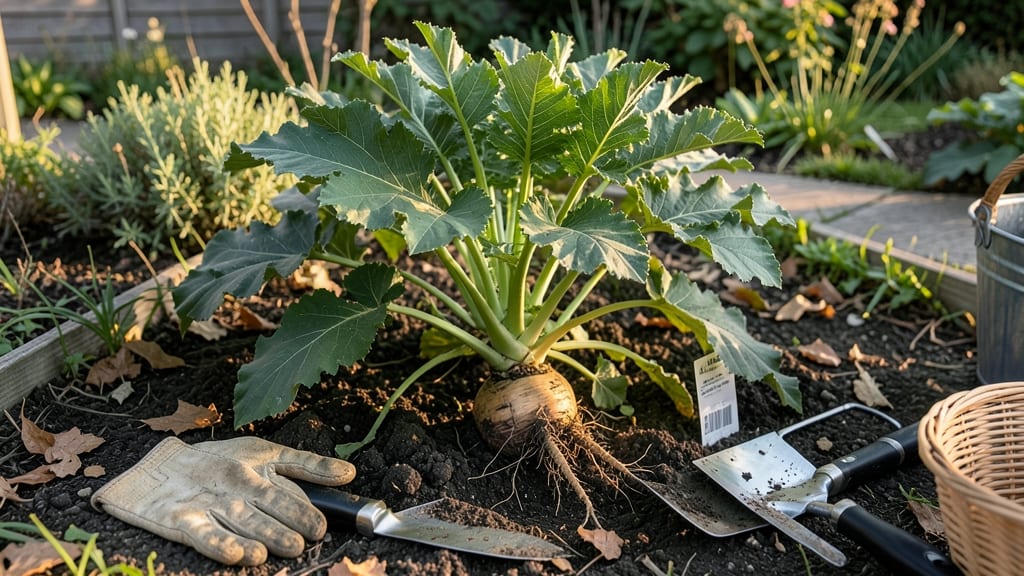
Harvesting horseradish root at the right time means unlocking its boldest, most pungent flavor—wait too long, and you’ll end up with a bland, fibrous mess.
Picture this: you’ve spent two years nurturing your 🌿 horseradish, only to dig up a root that tastes like a sad, watery onion. That’s the risk when you harvest too early or ignore the key signs of maturity.
The good news? There’s a simple way to tell when your horseradish is ready—no guesswork required.
In Zone 6a, the best window falls between late fall and early winter, when roots reach 1–2 inches in diameter and the leaves start yellowing. But timing isn’t just about the calendar—it’s about what’s happening below the soil.
Below, I’ll walk you through three tactile tests to check root firmness, size, and leaf condition, plus how to store your harvest so it stays fiery for months. No more wasted effort—just peak pungency, every time.


3 Tactile tests to determine perfect horseradish root harvest time
Harvesting horseradish roots at the right moment ensures maximum pungency and flavor. Unlike many vegetables, horseradish roots don’t ripen after picking—so timing is everything. Most gardeners wait 18-24 months after planting, but visual and tactile cues are far more reliable than guessing.
The key lies in three simple tests: root size, firmness, and leaf condition. These methods work for both first-year and established plants, ensuring you never dig too early or late.
Many gardeners make the mistake of harvesting based on calendar dates alone. But horseradish grows differently depending on your USDA zone and soil conditions. For example, in Zone 6a, roots often mature by late fall to early winter, while warmer climates may extend the window.
Instead of relying on seasons, focus on these hands-on indicators to guarantee a root packed with sinigrin—the compound that delivers that signature kick.
Here’s how to apply these tests in your garden—no fancy tools required. Grab a trowel, kneel down, and let your fingers do the talking. The first test is the easiest: root diameter. A mature horseradish root should measure 1-2 inches across at its widest point.
Smaller roots lack the bold flavor you crave, while oversized ones may become woody or pithy. This simple measurement alone can save you from harvesting bland or tough roots.
🌱 3 Tactile Tests for Horseradish Root Maturity
- 1. Root Diameter: Measure 1-2 inches across. Use a ruler or compare to a quarter for accuracy.
- 2. Firmness Test: Gently squeeze the root—it should feel dense and solid, not spongy or hollow.
- 3. Leaf Condition: Look for yellowing or dying foliage. Green leaves mean the root isn’t ready yet.
The firmness test is where many gardeners uncover hidden clues about root maturity. Press your thumb into the root—it should resist slightly, like a firm carrot. If it feels soft or mushy, the root is underdeveloped and lacks flavor.
Conversely, if it’s hard and woody, it’s past its prime. The ideal texture strikes a balance: firm yet yielding, signaling peak pungency. This tactile check is especially useful in cool climates, where roots may mature unevenly due to temperature fluctuations.
Don’t overlook the leaf condition—this is your plant’s way of signaling readiness. When 50-70% of the foliage turns yellow and begins to die back, it’s time to harvest. This natural process indicates the root has redirected its energy from leaves to storage.
However, if you wait until all leaves are brown, you risk the root becoming woody or splitting during harvest. Early fall is often the best time to watch for these changes, as cooler temperatures accelerate leaf senescence.
For gardeners in warmer zones, timing shifts slightly. In Zone 8 or higher, horseradish may continue growing through winter, delaying leaf yellowing until late fall or early spring. In these cases, prioritize the root diameter and firmness tests over leaf color.
If your climate is unpredictable, mark your calendar for 6-8 months after planting as a general guideline, then fine-tune with these tactile methods.
One common pitfall is harvesting horseradish roots too early for storage. Roots smaller than 1 inch in diameter won’t keep well and lack the bold heat you desire. On the flip side, waiting until the root is 3+ inches can lead to bitter, fibrous results.
The sweet spot is 1.5-2 inches—large enough for storage but still packed with flavor. To avoid this, perform your tests every 2-3 weeks during the harvest window and dig when all three conditions align.
After confirming maturity, harvest on a dry, sunny day to allow roots to dry slightly before storage. Use a sharp spade to dig 2-3 inches around the root to avoid damaging it. Shake off excess soil, then trim the foliage to 1 inch above the root crown.
Store in a cool, dark place (like a root cellar) for up to 6 months, or refrigerate for 2-3 months. Proper post-harvest care ensures your roots retain their sharp, fiery flavor long after digging.
Remember, horseradish is a perennial in most climates, meaning it regrows from the same root each year. If you harvest too aggressively, you may stunt future growth. For sustained yields, leave one-third of the root in the ground after harvest.
This ensures your plant returns stronger next season, ready for another round of tactile tests and bold flavors.
Now that you’re equipped with these three tactile tests, you’ll never second-guess your horseradish harvest again. The next time you’re tempted to dig based on a calendar or guesswork, pause and let your hands guide you.
A firm, 1.5-inch root with yellowing leaves is all you need to know it’s time—no more bland or tough horseradish in your future!
Horseradish root vs. leaf harvest: when to pull for best yield
Horseradish thrives on a delicate balance between harvesting its roots and leaves. Pulling leaves too aggressively can weaken the plant and reduce root development, while waiting too long to harvest roots can lead to bitter, woody flavors.
The key lies in understanding when to remove leaves for optimal growth and when to harvest the roots for maximum pungency.
For most gardeners in Zone 6a, the best time to harvest horseradish roots is in late fall or early winter, when the plant has matured for 18–24 months.
However, leaf management plays a crucial role in sustaining root quality. Removing 20–30% of leaves in early summer can encourage root thickening, but avoid over-pruning, which stresses the plant.
Leaf Harvesting: Pros & Cons
Pros
- Encourages root growth by reducing foliage competition
- Improves root firmness when done in early summer
- Reduces pest pressure by thinning dense foliage
Cons
- Over-pruning weakens plant, leading to smaller roots
- Late-season leaf removal delays root maturation
- Removing too many leaves reduces photosynthesis for storage roots
Root Harvesting: Pros & Cons
Pros
- Peak flavor when harvested at 1–2 inches diameter
- Longer storage life if roots are firm and fully developed
- Reduces bolting risk in second-year plants
Cons
- Harvesting too early yields small, underdeveloped roots
- Waiting too long results in woody, bitter roots
- Improper storage leads to flavor loss or rot
The best approach is to remove leaves strategically—prune back 1/3 of foliage in early summer to boost root growth, then let the plant recover before winter harvest. For roots, wait until late fall when leaves naturally yellow and die back, indicating the plant is redirecting energy to the roots.
If you harvest roots in early winter, store them in a cool, dark place (like a root cellar) to preserve their heat. Avoid harvesting during freezing temperatures, as this can damage the roots. Instead, mulch heavily in late fall to protect the soil and roots until harvest time.
Seasonal adjustments matter: in warmer climates, horseradish may mature faster, while colder zones like 6a require patience. Always prioritize root firmness and size over leaf condition—a 1–2 inch diameter root with yellowing leaves is your target for the best yield.
Remember, horseradish is a perennial, so proper leaf management now ensures future harvests. Balance is key—neither over-pruning nor neglecting foliage will give you the fiery, flavorful roots you crave.