
How To
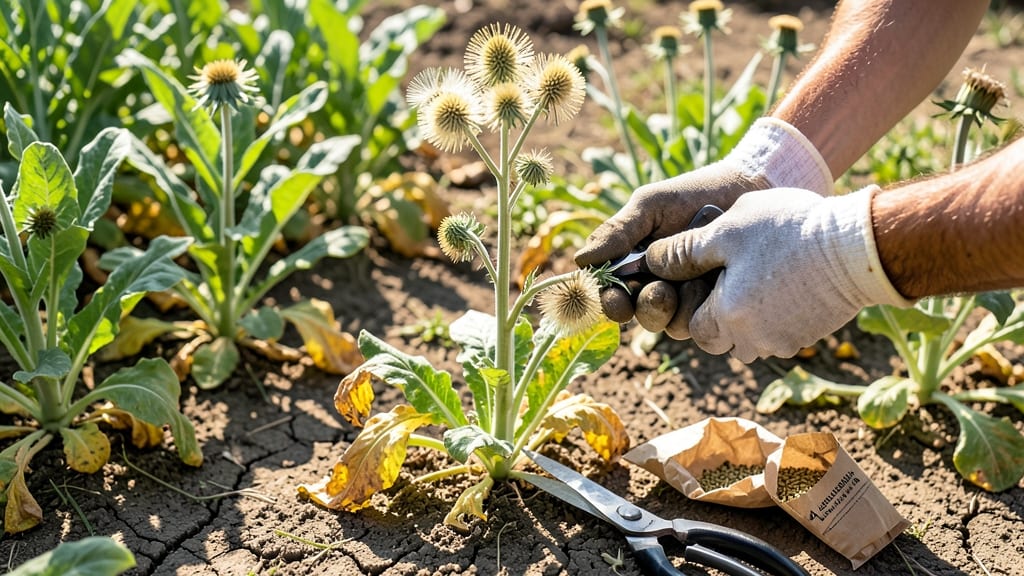
Harvesting lettuce seeds when the seed heads turn brown and crunchy is the key to saving viable seeds for next year’s garden.
If you’ve ever grown lettuce only to watch its leaves bolt into seed heads, you know the frustration of missing that perfect moment—when the seeds are ripe but haven’t yet scattered or lost viability. Timing matters, especially in Zone 6a, where spring and fall planting windows are tight.
Too early, and the seeds won’t be fully mature; too late, and they’ll dry out or blow away. The right moment is when the seed heads feel papery and brown, a sure sign they’re ready to collect.
This guide breaks down the exact cues to watch for, plus how to handle them once you’ve got them.
You’ll learn how to avoid common mistakes, like harvesting in damp conditions or storing seeds improperly, and discover the best methods for drying and saving them for future planting. By the end, you’ll never let those seeds go to waste again.


How to identify when lettuce seed heads are ready for harvesting
Harvesting lettuce seeds at the right moment ensures you capture viable, high-quality seeds that will grow into healthy plants next season. The key is watching for visual and tactile cues that signal maturity, not just guessing by days after planting.
When lettuce bolts—sending up tall flower stalks—it’s your garden’s way of telling you it’s time to pay attention.
First, focus on the color of the seed heads. Mature lettuce seed heads will turn from green to dry brown, almost papery in texture. This change happens gradually, so check your plants every 2-3 days during the seed-setting phase.
Premature harvesting means immature seeds that won’t sprout, while waiting too long risks the seeds scattering or losing viability.
Next, give the seed heads a gentle squeeze test. When fully mature, they should feel crisp and dry—almost like a brittle twig—rather than soft or moist. If the seeds inside rattle when shaken, that’s another clear sign they’re ready.
This tactile check is especially useful for cloudy or humid days when visual cues might be less obvious.
Don’t overlook the seed color inside the heads. Mature lettuce seeds are typically dark brown or black, while immature seeds remain light tan or pale. To inspect, carefully open a seed head and peek inside—if the seeds are dark and plump, they’re ready for harvest.
If they’re still light-colored, give them another 3-5 days to mature.
| Cue Type | Optimal Sign | What It Means | Action |
|---|---|---|---|
| Color Change | Seed heads turn dry brown | Seeds are mature and ready | Harvest within 2-3 days |
| Texture | Seed heads feel crisp and dry | Moisture content is low | Proceed with harvesting |
| Seed Color | Seeds are dark brown/black | Full maturity achieved | Collect immediately |
| Sound Test | Seeds rattle when shaken | Seeds are loose and dry | Harvest to prevent scattering |
| Environment | Dry, warm conditions | Ideal for seed drying | Harvest on sunny days |
Avoid harvesting lettuce seeds when the seed heads are still green or pliable—this is a common mistake that leads to low germination rates. Green seed heads indicate the seeds aren’t fully developed, and forcing the harvest can damage the plant’s ability to produce more seeds.
Similarly, waiting until the seed heads turn grayish or crumble easily means the seeds may have lost viability or been exposed to moisture, reducing their chances of sprouting.
Timing also depends on your climate and season. In cooler regions, lettuce may take 60-75 days from planting to seed maturity, while warmer climates can speed this up to 45-60 days.
Keep a garden journal to track the days to maturity for your specific lettuce variety—this helps you anticipate future harvests. For example, if you planted Buttercrunch lettuce in early spring, expect seed heads by late summer.
One pro tip: Harvest lettuce seeds in the morning after a dry night. This ensures the seed heads are fully dry, making them easier to handle and reducing the risk of mold during storage.
Use clean, sharp pruning shears to cut the seed heads just above the main stem. Avoid pulling or twisting, which can damage the plant or cause seeds to drop prematurely.
If you’re unsure whether your lettuce seeds are ready, perform a germination test on a small batch. Place a few seeds between damp paper towels in a sealed bag for 5-7 days.
If most seeds sprout, your main harvest is ready. If fewer than half sprout, wait another 3-5 days before harvesting the rest. This simple test saves time and effort in the long run.
Remember, the goal is to harvest lettuce seeds when they’re fully mature but not overripe. Overripe seeds may scatter easily, while underripe seeds won’t grow well. By paying attention to color, texture, and seed color, you’ll maximize your yield and ensure a successful seed-saving season.
Step-by-step guide to harvesting and storing lettuce seeds properly
Once your lettuce plants bolt and form those distinctive brown seed heads, you’ve got a narrow window to harvest before the seeds scatter or dry out. The key is acting promptly when the seed heads turn papery-brown and crunch easily between your fingers.
This is your cue that the seeds inside are mature and ready for collection.
Timing is everything—harvest too early, and the seeds won’t germinate well; wait too long, and they’ll blow away or lose viability. In Zone 6a, aim to harvest these seed heads in late spring or early fall, just as the plants finish their life cycle.
Now, let’s walk through the exact steps to ensure you save the best seeds possible.
-
Step 1: Cut the Seed Heads
Use clean, sharp pruning shears or scissors to snip the entire seed head from the stem. Leave about 1 inch of stem attached to help with drying.
-
Step 2: Dry the Seed Heads
Hang the seed heads upside down in a well-ventilated area, like a paper bag or mesh bag, for 1-2 weeks. Ensure the space is dry and dark to prevent mold.
-
Step 3: Extract and Store Seeds
Once the seed heads are completely dry, gently rub them between your fingers to release the seeds. Store them in a paper envelope or airtight container in a cool, dark place for up to 3 years.
After harvesting, the drying process is critical. Place your seed heads in a paper bag or mesh bag to catch any seeds that might fall during drying. Avoid plastic bags, as they can trap moisture and cause mold.
A dry, shaded area with good airflow is ideal—think of a garage or basement rather than a humid kitchen.
Once the seed heads are fully dry, they’ll crumble easily in your hands. This is your signal that the seeds are ready for extraction. Use a fine-mesh sieve or simply rub the dried heads between your fingers over a clean sheet of paper to collect the tiny, brown seeds.
Store them in a labeled envelope with the harvest year and variety name to keep track of your seed collection.
To maintain seed viability, store your lettuce seeds in a cool, dry place like a seed vault or even your refrigerator. Lettuce seeds typically stay viable for 2-3 years, but proper storage can extend this lifespan.
Labeling your seeds with the harvest date ensures you plant the freshest seeds first.
Now you’re ready to replant your saved seeds next season, knowing you’ve preserved the best traits of your favorite lettuce varieties. Happy seed saving!