
How To
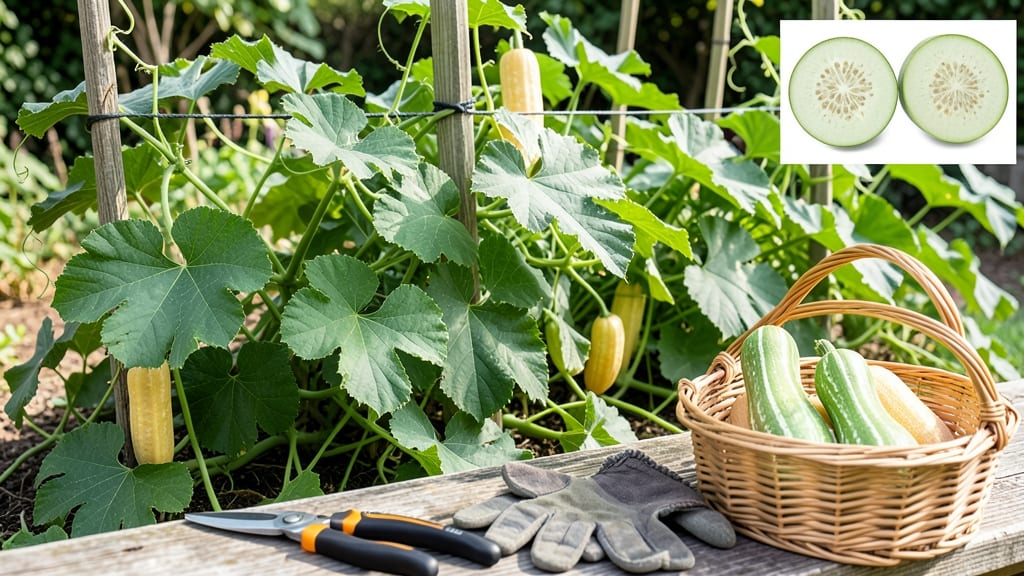
Harvesting loofah gourds at the right time means the difference between a soft, spongy texture and a tough, unusable mess — and timing it correctly is easier than you think.
Picture this: you’ve spent weeks watching your 🎋 loofah gourds grow, only to pick them too early and end up with bitter, inedible pulp. Or worse, you leave them too long, and frost ruins your harvest before they’re ready.
The key? Knowing the exact moment when the gourds are perfectly ripe for drying or eating.
Most gardeners miss the window because they focus on days to maturity instead of visual cues. But the truth is, your loofah gourds will tell you when they’re ready — through color changes, skin texture, and even the vine’s behavior.
Below, I’ll walk you through the three foolproof signs that your gourds are at peak harvest time, plus how to adjust for your local climate.
Whether you’re growing loofahs for their edible fruits or drying them for sponges, this guide will help you avoid the most common mistakes and ensure a successful harvest every season. Let’s get started.


3 Visual signs your loofah gourds are perfectly ripe for harvesting
Harvesting loofah gourds at the right moment transforms your vine into a treasure trove of spongy, reusable loofahs or tender young vegetables. The difference between a perfect harvest and a wasted one often comes down to three key visual cues that most gardeners overlook.
Ignoring these signs can leave you with bitter, tough gourds that won’t dry properly or soften for eating.
Loofah gourds mature quickly—typically between 90 to 120 days—but their readiness isn’t always obvious. Unlike cucumbers or zucchini, which you can harvest young, loofahs must reach full maturity for their spongy interior to develop.
This means watching for subtle changes in color, texture, and vine health rather than relying on a fixed timeline.
🎋 Numbered Highlights: How to Spot Perfectly Ripe Loofah Gourds
- 1. Color Shift: The rind changes from bright green to tan or beige. Look for a uniform color change—if some spots stay green, the gourd isn’t ready. Overripe gourds may turn brown or develop dark patches.
- 2. Texture Test: Gently press the gourd’s skin. A ripe loofah feels hard and dry (like a plastic water bottle). If it dents easily or feels soft, it’s underripe. Overripe gourds may feel shriveled or leathery.
- 3. Stem & Vine Signs: The stem near the gourd turns brown and dries out, and the vine may start yellowing or dying back. This signals the plant is redirecting energy to seed production. If the vine is still green and vigorous, wait a few more days.
Pro tip: Shake a mature gourd gently—if it rattles inside, that’s a sign the spongy interior is fully formed. This is especially useful for distinguishing between edible young loofahs (harvested at 6–8 inches) and those meant for drying (full-sized, 12+ inches).
Young loofahs have thin, tender skin and a crunchy texture, while mature ones are ideal for scrubbing or composting.
Timing matters because loofah gourds stop ripening once picked. Harvest too early, and you’ll miss the spongy texture that makes them useful. Leave them too long, and they’ll overdry, crack, or attract pests. The 30-day window between color change and vine death is your best shot at success.
For gardeners in USDA Zone 6a (like me!), this usually means harvesting between late August and mid-October. But if your summer stretches longer, watch the vine’s energy—it’s the most reliable indicator. Once the plant stops producing new flowers and focuses on seed pods, it’s time to act fast.
One common mistake? Harvesting based on size alone. A loofah can grow to 12+ inches but still be underripe inside if the skin isn’t dry. Always combine color, texture, and vine health for accuracy.
I’ve learned this the hard way—skipping the texture test once left me with a basket of useless gourds that wouldn’t dry properly!
If you’re growing loofahs for both eating and drying, mark the first ripe gourds with a harvest date tag. This helps track maturity for the rest of the vine.
And remember: Frost is your enemy. Once temperatures dip below 50°F at night, the gourds won’t ripen properly, so harvest before the first frost—even if they’re not “perfect.”
Finally, store harvested loofahs in a cool, dry place for 1–2 weeks to complete drying if needed. The spongy texture develops post-harvest, so patience pays off. Now, go check those vines—your perfect loofahs are waiting! 🎋
Harvest timing guide: days to maturity and seasonal factors
Loofah gourds typically reach maturity in 90 to 120 days after planting, depending on your USDA zone and growing conditions. In warmer climates like Zone 9-11, you might harvest as early as 60 days, while cooler zones like Zone 6-7 may extend this to 150 days.
Understanding these days to maturity helps you plan your planting schedule to avoid early frost risks.
Temperature plays a critical role in loofah maturation. Ideal growing conditions require 70-90°F during the day and 60-70°F at night. If your summer heat exceeds 95°F, growth may slow, delaying harvest by 1-2 weeks.
Conversely, cooler temperatures can speed up ripening in some varieties, like Chinese loofahs, which mature faster than Egyptian varieties.
| Factor | Optimal Range | Impact on Maturity |
|---|---|---|
| Days to Maturity | 90-120 days | Standard for most varieties; adjust for early/late seasons |
| Temperature | 70-90°F (day), 60-70°F (night) | Extreme heat (>95°F) delays harvest; cooler temps speed ripening |
| Sunlight | 6+ hours full sun daily | Insufficient light = slower growth; partial shade extends maturity |
| Variety | Chinese (60-90 days), Egyptian (120-150 days) | Choose fast-maturing types for short seasons |
| First Frost Date | Before October 15 (Zone 6a) | Harvest 2-3 weeks before frost to avoid rot |
Sunlight is another critical factor—loofahs need at least 6 hours of direct sun daily to mature properly. If your garden receives only 4-5 hours, expect a 10-20% delay in ripening. For container growers, place pots in south-facing windows or use grow lights to supplement.
Partial shade can also extend maturity, so avoid planting under trees unless you’re prepared for a later harvest.
Seasonal adjustments are key for gardeners in early or late planting zones. If you plant in March (Zone 7), aim for Chinese loofah varieties to harvest by mid-July. For June plantings in Zone 5, choose Egyptian loofahs and harvest in late September before the first frost.
Always calculate your frost-free days (typically 165 days in Zone 6a) to avoid losing your crop.
Pro tip: Use black plastic mulch to warm soil early in the season, accelerating growth by 7-10 days. For late-season extensions, cover vines with frost cloth to protect gourds until they fully ripen.
Pay attention to your local microclimate—urban areas may stay warmer longer, while rural spots can cool faster, both affecting harvest timing.
Remember, loofahs won’t ripen after picking, so time your harvest carefully. If frost threatens before gourds mature, harvest them green and cure indoors for 2-3 weeks in a dry, warm spot. This mimics natural drying conditions and can salvage your crop for later use.