
How To
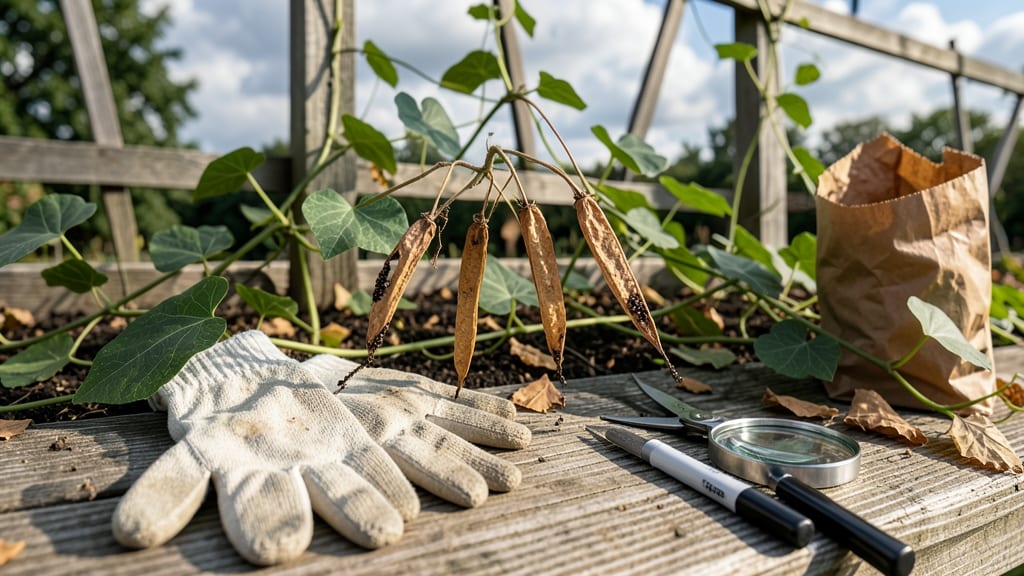
Harvest moonflower seed pods when they turn golden-brown and begin to crack open naturally 🌙 — timing is everything for saving viable seeds.
Picture this: you’ve spent months watching your moonflowers (Ipomoea alba) unfurl their glowing night blooms, only to realize the real magic happens when those seed pods mature. Miss the window, and you’ll end up with scattered seeds instead of a stash ready for next year’s garden.
In late summer to early fall, the pods shift from green to brown, signaling it’s time to act. But wait too long, and the pods will burst open, sending seeds everywhere. I’ll show you exactly what to look for so you don’t miss a beat.
You’ll learn how to spot the perfect moment, avoid common mistakes, and store your seeds for the best germination. Let’s make sure your moonflower harvest is a success!


How to identify the perfect moonflower seed pod harvest time
Moonflower seed pods (Ipomoea alba) transform from vibrant green to a rich, golden-brown color when ready for harvest. This color change signals that the seeds inside have reached full maturity and are viable for planting.
The pods also become dry and papery—a clear sign that nature is preparing to release the seeds. If you miss this window, the pods will crack open, scattering seeds everywhere and leaving you with nothing to collect.
Timing is everything with moonflower seed pods. The best harvest window typically falls between late summer and early fall, usually around August to September in most USDA zones. However, regional climates play a role—warmer areas may see pods ripen earlier, while cooler zones might extend the season slightly.
Always monitor your plants closely, as seasonal triggers like shorter daylight hours accelerate the ripening process.
Here’s the key visual cue you’ve been waiting for: when the seeds inside the pods turn a deep golden-brown, they’re ready to harvest. This color indicates full viability, meaning the seeds have the highest chance of germinating successfully.
If you crack open a pod and see light-colored or white seeds, they’re not yet mature enough to plant. Waiting until the seeds darken ensures you’re collecting only the best seeds for your next garden.
| Harvest Stage | Pod Color | Seed Color | Texture | Action |
|---|---|---|---|---|
| Not Ready | Bright green | White or pale | Firm and closed | Wait 1-2 weeks |
| Ripening | Light brown | Light tan | Slightly dry | Monitor daily |
| Ready to Harvest | Golden-brown | Dark golden-brown | Dry and papery | Collect immediately |
| Overripe | Dark brown | Scattered on ground | Cracked open | Too late |
The texture of the moonflower seed pod is another critical clue. When pods are ready, they become brittle and dry, almost like crisp autumn leaves. A gentle squeeze should make the pod feel hollow and light, indicating the seeds have fully developed.
If the pod resists cracking or feels heavy, it’s not yet time to harvest. This tactile check is especially useful in cloudy weather when color changes might be less obvious.
Don’t overlook the seasonal triggers that signal harvest time. Moonflowers respond to shorter daylight hours in late summer, which speeds up the ripening process. In my garden, I’ve noticed that pods begin turning brown around mid-August, but this can shift by a week or two depending on your location.
Pay attention to your local climate—areas with hotter summers may see pods ripen faster, while cooler regions might extend the harvest window into early October.
One common mistake I’ve seen is harvesting pods that are still slightly green. These seeds often fail to germinate because they’re not fully mature. Always wait until the pod is completely dry and the seeds inside are a deep golden-brown.
This ensures you’re collecting seeds with the highest germination potential. Pro tip: If you’re unsure, crack open a pod and check the seeds—if they’re dark and plump, it’s harvest time!
Weather also plays a role in determining the perfect harvest time. After a dry spell, pods tend to ripen faster, while prolonged rain can delay the process. If you’re expecting rain, harvest a few days early to avoid losing seeds to moisture.
In my experience, morning harvests are ideal because the pods are dry from overnight air circulation, making them easier to handle without crushing.
Once you’ve identified the perfect harvest time, act quickly. Moonflower pods can crack open within 24-48 hours of reaching full maturity, scattering seeds everywhere. Keep an eye on your plants daily during the harvest window, and be prepared to collect pods as soon as they turn golden-brown.
This proactive approach ensures you don’t miss the opportunity to save seeds for next year’s garden.
Remember, the goal is to collect seeds at their peak viability. Golden-brown seeds mean high germination rates, while premature or overripe seeds may not perform as well. With these visual cues and timing tips, you’ll be a moonflower seed harvest pro in no time! 🌾
Step-by-step guide to harvesting moonflower seed pods without losing seeds
Harvesting moonflower seed pods at the perfect moment ensures you capture viable seeds before they scatter. The best time to collect pods is late summer to early fall, typically between August and September, when pods transition from green to golden-brown.
This timing aligns with the plant’s natural seed maturation cycle, maximizing your chances of successful germination.
To avoid losing seeds, work on dry mornings when pods are less likely to crack prematurely. Humidity and evening dew can cause pods to split open, so prioritize harvesting in the morning hours.
Gather your tools—a pair of pruning shears, a paper bag, and a labeling marker—before heading to your moonflower vine.
- Step 1: Identify Ready Pods
Look for pods that are dry and brown, with seeds inside that appear golden-brown and fully formed. Avoid pods that are still green or firm—they’re not ready yet.
- Step 2: Harvest Gently
Use pruning shears to snip pods from the vine, leaving a small stem attached. Place pods directly into a paper bag to prevent seeds from escaping.
- Step 3: Dry the Pods
Spread pods on a dry, shaded surface for 3-5 days to ensure they’re completely dry. This step prevents mold and ensures seeds remain viable.
- Step 4: Extract Seeds
Once pods are dry, gently crush them with your hands or a rolling pin to release seeds. Sift through the debris to collect clean seeds for storage.
- Step 5: Store Properly
Place seeds in a paper envelope or glass jar with a silica gel packet to absorb moisture. Label with the harvest date and store in a cool, dark place.
Timing is everything when harvesting moonflower seed pods. If you wait too long, pods will crack open naturally, scattering seeds across your garden. Conversely, harvesting too early means seeds won’t be fully developed, reducing germination rates. Always check for golden-brown seeds and brittle pods as your go-to indicators.
After harvesting, store seeds in a cool, dry place to maintain viability. Moonflower seeds can remain viable for 2-3 years if stored properly, giving you plenty of time to plant them in future seasons. Label your storage container with the harvest year to keep track of seed freshness.
With these steps, you’ll avoid the frustration of lost seeds and enjoy a bountiful harvest of moonflower seeds ready for next year’s garden. Happy harvesting! 🌾