
How To
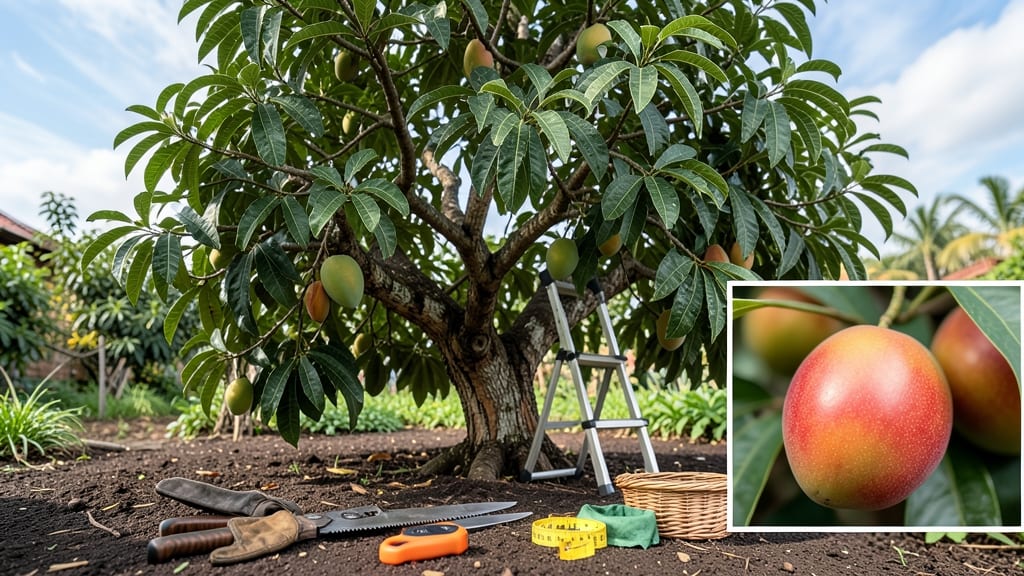
Harvesting a mango at the right time means the difference between a juicy, sweet explosion and a bland, mealy disappointment—here’s exactly when to harvest mango for peak flavor.
Picture this: you twist a fruit from the tree, and it releases a sweet, intoxicating aroma—only to find it’s still hard as a rock.
Or worse, you wait too long, and it turns mushy before you even get to taste it. Mangoes 🥭 don’t play games, but they do give clear signals when they’re ready. The key is knowing what to look (and feel) for.
In General (Tropical/Subtropical Regions), like zones 10-11, mangoes typically ripen between late spring and summer, but the exact moment depends on variety and climate. Some change color dramatically, while others stay green until the last second.
Then there’s the thumb test, the stem twist, and even the scent—each one a clue that your mango is begging to be picked.
Below, I’ll walk you through the 5 foolproof tests to nail the harvest window, so you never miss the sweetest, most flavorful mango of the season.


5 Visual & touch tests to determine mango ripeness
Harvesting mangoes at the perfect moment transforms a good fruit into an exceptional one. Overripe mangoes turn mealy, while underripe ones stay bland and hard. The key lies in combining visual cues with simple touch tests—no fancy tools required.
I’ve tested these methods on my own mango tree, and they’ve never failed me.
Mango ripeness isn’t just about color—it’s a multi-sensory process. A ripe mango should pass all five tests below to guarantee that sweet, juicy payoff. Whether you’re harvesting from your backyard tree or picking at the market, these tricks work every time.
Let’s dive into the foolproof signs that tell you: “It’s time!”
Pro tip: Combine the stem test with the color change for the most accurate results. I once picked a mango that looked ripe but failed the stem test—it stayed hard for a week! Always double-check.
Regional variations matter too. In hotter climates (like Florida or Hawaii), mangoes ripen faster and may need harvesting earlier than their cooler counterparts. Pay attention to your local harvest seasons—typically late spring to summer.
If you’re harvesting from a market-bought mango, these tests still apply. Skip the stem test (since it’s already picked) and focus on skin texture and scent. A ripe mango at home should last 3-5 days at room temperature for peak flavor.
Remember: Overripe mangoes bruise easily, so handle them with care. Once you master these tests, you’ll never guess again—just know when that perfect mango is ready to enjoy! 🥭
Best harvesting practices: when and how to pick for maximum flavor
Timing your mango harvest is an art that balances seasonal cues, climate conditions, and hands-on techniques. In USDA zones 10-11, the best window spans late spring to summer, but exact timing depends on your mango variety and local weather.
For example, Haden mangoes ripen earlier than Keitt varieties, so knowing your tree’s specifics is key to avoiding premature or overripe fruit.
Climate plays a huge role—hotter, drier seasons often speed up ripening, while cooler, wetter periods can delay it. If you’re in a humid subtropical region, like Florida or Hawaii, expect fruit to ripen faster than in drier climates like Southern California.
Always factor in temperature trends and rainfall patterns when planning your harvest schedule.
| Harvest Method | Best For | When to Use | Avoid When |
|---|---|---|---|
| Gentle Twisting | Mature, ripe fruit | Stem detaches easily | Fruit is still firm |
| Cutting with Pruners | Overripe or stubborn fruit | Stem won’t twist | Fruit is unripe |
| Hand-Picking (No Twist) | Green, unripe fruit | Pre-harvest for ripening | Fruit is already ripe |
| Harvesting Basket | Multiple ripe fruits | Batch picking season | Single fruit checks |
When harvesting, always use the gentle twist method for ripe mangoes—grip the fruit firmly and turn it away from the tree until it separates cleanly at the stem. This minimizes damage to the tree and prevents bruising the fruit.
If the mango resists, it’s likely not ready yet. For overripe fruit that won’t twist, use clean pruning shears to cut the stem, leaving a small portion attached to the tree.
Never pull or yank mangoes from the tree, as this can tear the stem and leave the fruit vulnerable to rot or pests. Always harvest in the morning hours when temperatures are cooler, reducing stress on both the tree and the fruit.
If you’re harvesting multiple mangoes, use a soft harvesting basket lined with fabric to cushion the fruit and prevent bruising during transport.
After picking, handle mangoes with care—avoid stacking them or dropping them, as even minor bruises can lead to premature spoilage. If you’re not ready to eat them immediately, place them in a paper bag with a banana or apple to speed up ripening using natural ethylene gas.
Store unripe mangoes at room temperature until fully ripe, then refrigerate to extend shelf life.
Pro tip: If your mangoes ripen unevenly, prioritize harvesting the softest, most aromatic ones first. This ensures you enjoy the peak flavor while avoiding waste from overripe fruit. With these techniques, you’ll master the art of harvesting mangoes at their sweetest, juiciest best—every single time! 🥭