
How To
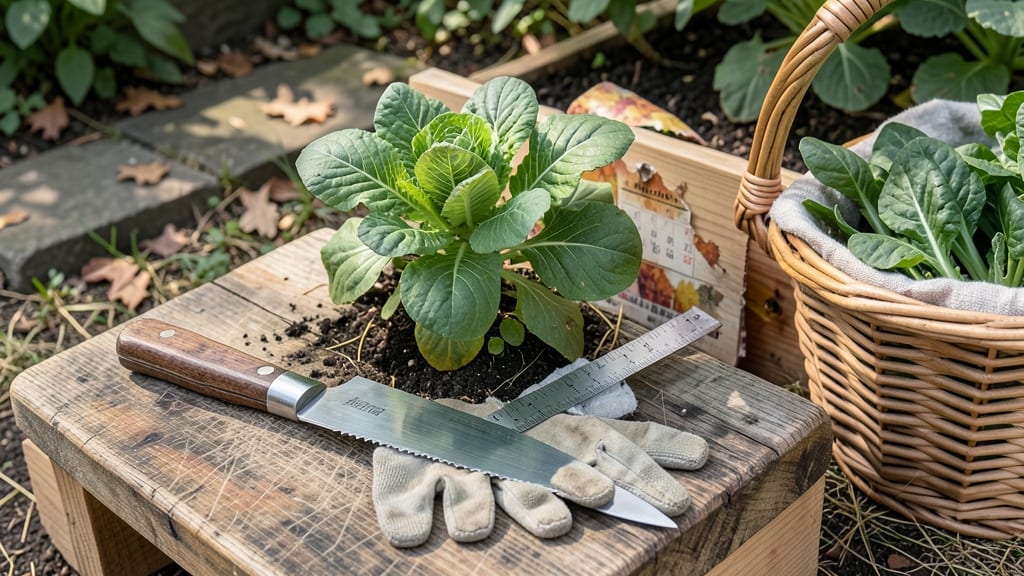
Harvest mustard greens when leaves reach 4-6 inches and taste their sharpest, because waiting too long turns that peppery crunch into a tough, bitter mess.
You’ve spent weeks tending your 🌱 mustard greens, watching them grow from tiny seedlings to vibrant, leafy plants—only to risk ruining them with a single misjudged harvest.
The difference between a perfect bite and a disappointing chew comes down to timing, and knowing the exact moment your greens are at their peak makes all the difference.
In Zone 6a, spring plantings typically hit harvest readiness in just 4-6 weeks, while fall crops may be ready in 3-5 weeks. But don’t rely on the calendar—leaf size, texture, and flavor are your real guides.
A crisp, tender leaf with a sharp, peppery kick is your green light to grab the shears, while yellowing edges or a woody stem mean you’ve missed the boat.
Below, I’ll walk you through the leaf-size rule, the flavor test, and how to stretch your harvest season without sacrificing quality. No more guessing—just crisp, flavorful mustard greens every time.


How to determine mustard greens harvest time by leaf size & growth stage
Knowing when to harvest your mustard greens is all about watching two key factors: leaf size and growth stage. For peak flavor and texture, aim to pick leaves when they're between 3 to 6 inches long.
This window ensures you get that perfect balance of crisp tenderness without the bitterness that comes with overgrowth. Different varieties like Southern Giant Curled or Red Giant may have slight variations, but the core principles remain the same.
Your mustard greens go through distinct growth phases, and each stage offers a different harvest experience. In the baby leaf stage, leaves are tiny and delicate, ideal for microgreens or salads. As they mature, the leaves grow larger and develop more robust flavors.
The goal is to harvest before the plant starts bolting (flowering), which turns the leaves bitter and tough. Paying attention to these stages ensures you enjoy your greens at their best.
Visual cues are your best friends when determining harvest time. Look for vibrant green leaves that feel crisp to the touch. If the leaves start to yellow at the edges or develop a fibrous texture, it's a clear sign they've passed their prime. The leaf color should remain bright and uniform—any darkening or mottling means it's time to harvest before quality declines.
For Southern Giant Curled mustard greens, you'll typically have a harvest window of 30 to 45 days after planting. These varieties are known for their large, curly leaves, which are best when they reach 4 to 6 inches.
In contrast, Red Giant mustard greens mature faster, usually within 25 to 35 days, and are ready when their leaves hit 3 to 5 inches. The key difference here is the flavor intensity—Red Giant has a spicier kick, so harvesting earlier can enhance that peppery taste.
When it comes to seasonal timing, mustard greens thrive in cool weather. In spring, you can expect your plants to reach harvest readiness about 4 to 6 weeks after planting, depending on your climate.
For a fall harvest, aim to plant seeds 8 to 10 weeks before the first frost. This timing ensures your greens mature just as temperatures drop, providing a second harvest opportunity before winter sets in.
One of the most common mistakes gardeners make is waiting too long to harvest. If you let your mustard greens grow beyond their ideal size, they'll develop a bitter taste and woody texture.
To avoid this, I recommend checking your plants every 3 to 4 days once they start to grow. Use a ruler or measuring tape to keep track of leaf size, and always harvest the outer leaves first to encourage continuous growth from the inner leaves.
If you're growing mustard greens in containers or small spaces, you might need to harvest more frequently to prevent overcrowding. These plants are fast growers, so they can quickly outpace their growing area.
By picking leaves regularly, you'll not only enjoy fresher greens but also encourage your plants to produce more tender, flavorful leaves over time. This method is especially useful for urban gardeners or those with limited space.
Don’t forget that weather conditions can also influence harvest timing. If you experience a sudden heatwave, your mustard greens may bolt prematurely, sending up flower stalks. In this case
Flavor & texture test: the ultimate mustard greens harvest checklist
Your mustard greens are ready to harvest when they pass the flavor and texture test, not just when they reach a certain size. A perfect leaf should offer that signature peppery kick with a satisfying crunch—anything less means you’ve missed the window.
I’ve learned the hard way that waiting just 2-3 days too long turns those tender greens into tough, bitter stalks that even a good stir-fry can’t save.
Before you grab your pruning shears, run this quick checklist to confirm your greens are at their peak. The key is balancing leaf size, color vibrancy, and texture.
If you skip this step, you might end up with greens that are either too mild or downright inedible. Trust me, your taste buds will thank you for the extra 60 seconds of inspection.
🌱 Mustard Greens Harvest Checklist
- 📏 Leaf Size: Pick leaves 4-6 inches long—any smaller and they’re underdeveloped; any larger and they’re past their prime.
- 🥬 Texture: Leaves should be crisp and tender. Run your thumb over a leaf—if it feels slightly resistant but not woody, it’s ready.
- 🌿 Color: Vibrant deep green (or purple for red varieties) with no yellowing. Yellowing means the leaf is aging and losing flavor.
- 🌡️ Temperature: Harvest on cool mornings (after dew dries but before 10 AM) for the best flavor and texture.
- 🌱 Taste Test: Snip a small leaf and taste it raw. It should be sharp and peppery—not mild or bitter.
- ✂️ Stem Check: The stem should snap easily when bent. If it resists, the leaf is too mature.
Start by examining the outer leaves of your plant—they’re the first to reach maturity. These leaves are usually larger and more flavorful than the inner ones, making them the best candidates for your first harvest.
If you’re growing Southern Giant Curled or Red Giant varieties, pay extra attention to their curled edges—they’re a visual cue that the leaf is ready. Over-mature leaves lose their curl and flatten out, signaling it’s time to harvest before they toughen up.
Don’t rely solely on leaf size—some varieties, like Tendergreen, mature faster and may be ready in just 3 weeks. Always cross-reference with the taste test. A quick bite can tell you more than any ruler.
If the flavor is mild or bitter, hold off on harvesting that batch and let the plant develop a little longer. Pro tip: Harvest in stages by picking a few leaves at a time.
This encourages the plant to keep producing new growth, giving you a continuous supply of fresh greens for weeks.
One common mistake I see is waiting until the entire plant looks ready. By then, the lower leaves have already yellowed and wilted, and the plant is putting energy into bolting (flowering).
Instead, focus on selective harvesting—pick the largest, most vibrant leaves first, leaving the smaller ones to grow. This method keeps your plant productive and ensures you’re always harvesting at peak flavor. Plus, it’s a great way to extend your harvest season by 2-3 weeks.
Finally, timing matters beyond just the plant. In Zone 6a, avoid harvesting after hot afternoons or before a hard frost. The stress of extreme temperatures can make greens bitter or tough.
Stick to cool mornings or shady afternoons for the best results. With this checklist in hand, you’ll never second-guess your harvest again—just crisp, flavorful mustard greens every time you reach for the shears.