
How To
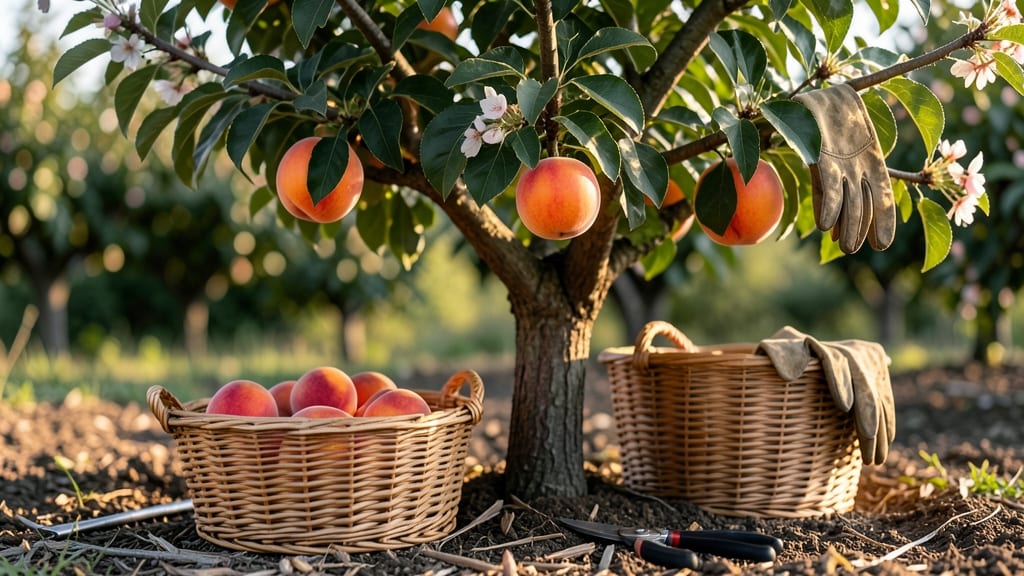
Harvesting nectarines at the right moment means the difference between bursting sweetness and a mealy disappointment—here’s how to nail the perfect timing every time.
Picture this: you’ve waited all summer for that first 🍑 to ripen, only to bite into one that’s either rock-hard or mushy. The key? Knowing when to pick isn’t just about color—it’s about a mix of firmness, scent, and even a little stem trick.
Most gardeners miss the window because they focus on one clue instead of all three.
In this guide, I’ll walk you through the three foolproof tests to check ripeness, including how to perform the stem twist (a game-changer for avoiding overripe fruit).
You’ll also learn how climate and variety affect your harvest window, so whether you’re in Zone 6a or further south, you’ll never guess again.
Ready to turn your nectarine harvest from hit-or-miss to consistently delicious? Let’s dive into the science—and the simple tricks—that make all the difference.


How to test nectarine ripeness: 3 key methods (firmness, color & stem twist)
Nothing beats the taste of a perfectly ripe nectarine—juicy, sweet, and bursting with flavor. But picking them too early or too late ruins everything. The key is knowing exactly when to harvest nectarines using simple, science-backed tests.
These three methods will help you nail the perfect moment every time, ensuring your fruit is at peak ripeness for eating or storage.
Nectarines don’t ripen well after picking like some fruits (think bananas or avocados), so timing is everything. If you harvest too soon, they’ll taste bland and mealy. Wait too long, and they’ll turn mushy or attract pests.
That’s why I rely on these three foolproof tests: firmness check, color evaluation, and the stem twist method. Master these, and you’ll never guess again.
🌱 3 Signs Your Nectarines Are Ready to Pick
- 1. Firmness Test: Gently press the fruit—it should yield slightly (like a ripe peach) but not feel mushy. Overly firm = unripe; too soft = overripe.
- 2. Color Change: Look for deep, even color (yellow, orange, or red depending on variety) with a slight fuzzy texture on the skin.
- 3. Stem Twist: Grasp the fruit and twist gently—if the stem separates cleanly from the branch, it’s ready. No twist? Wait a few days.
The firmness test is my go-to method because it’s instant feedback. Press your thumb into the nectarine’s skin near the stem. A ripe fruit will give just enough to leave a slight indentation, but it shouldn’t feel like pressing a stress ball.
If it springs back immediately, it’s not ready. If it feels squishy, you’ve missed the window. Pro tip: Test multiple fruits on the tree—they often ripen at different rates.
Color is your second clue, but it depends on the nectarine variety. Yellow-fleshed types (like 'Summergrand') turn a vibrant golden-yellow with a slight blush. Red-fleshed varieties (like 'Starking Delight') develop deep red-orange hues.
Pay attention to even coloring—uneven patches mean uneven ripening. A fuzzy or "bloom" texture on the skin is another telltale sign of ripeness, indicating the fruit’s natural sugars have fully developed.
Here’s where most gardeners mess up: the stem twist test. I see people yanking fruits off the tree, which damages the branch and the fruit. Instead, hold the nectarine between your thumb and forefinger, then twist gently.
If the stem detaches cleanly from the branch with minimal force, it’s ready. If it resists or snaps off with the fruit still attached, wait 2–3 more days. This test works because ripe fruit naturally separates from the tree to signal animals (or you!) to pick it up.
Timing matters even more if you’re harvesting for storage. For long-term storage, pick nectarines when they’re firm but slightly underripe—they’ll ripen indoors at room temperature over 2–3 days. Store them in a cool, dark place (like a pantry) and check daily.
If you’re eating them fresh, wait until they pass all three tests. Trust me, the difference in flavor is night and day.
Regional climate plays a role too. In hotter zones (like California), nectarines ripen faster and may need harvesting earlier in the season. In cooler areas (like the Pacific Northwest), they might linger on the tree longer.
Start testing in mid-summer (July for most zones) and adjust based on your local weather. Heat waves can speed up ripening, while cool spells slow it down.
One mistake I made early on was ignoring the scent test—a ripe nectarine releases a sweet, floral aroma near the stem. Sniff the fruit before picking; a strong, pleasant fragrance means it’s ready.
Skip this, and you might end up with fruit that’s visually ripe but lacks flavor. Combine all three tests (firmness, color, and scent) for the most accurate results.
Finally, harvest on a cool morning after any overnight dew has dried. This keeps the fruit from bruising and makes it easier to spot ripe ones. Use clean, sharp pruners or scissors to avoid damaging the fruit.
Once picked, enjoy them within a few days for the best taste—or store them properly to savor them later.
With these three methods, you’ll never second-guess when to harvest nectarines again. The secret is patience and attention to detail. Your taste buds (and your tree!) will thank you.
Common mistakes that ruin nectarine harvest timing (and how to avoid them)
Even experienced gardeners fall into the trap of harvesting nectarines at the wrong time, turning what should be a sweet, juicy reward into a mealy, flavorless disappointment. The most common mistake? Focusing on just one ripeness indicator—like color alone—while ignoring the other critical signs.
I’ve seen gardeners pick nectarines that look ripe but taste bland because they missed the firmness test or the stem twist. Overripe fruit doesn’t just lose flavor; it becomes soft, attracts pests, and spoils faster. Let’s fix that with actionable fixes for these three pitfalls.
Another frustrating issue is uneven ripening across the tree. One branch might be loaded with ripe fruit while others still have hard, green nectarines. This happens because sunlight, water, and nutrients don’t distribute perfectly.
The solution? Harvest in stages—pick the ripest fruits first and leave the rest to mature. I’ve learned to check multiple branches daily during peak season to avoid missing the window on half my crop. Pro tip: Use a harvest journal to track ripening patterns by branch.
⚠️ Warning: These Mistakes Kill Nectarine Flavor
- ❌ Picking by color only – Green or pale nectarines stay hard; overripe ones turn mushy.
- ❌ Yanking fruit off branches – Damages the tree and bruises the fruit.
- ❌ Harvesting for storage too late – Overripe fruit spoils faster and doesn’t store well.
Here’s the secret to tree-ripe eating vs. storage timing: For fresh eating, wait until nectarines pass all three tests—firmness, color, and stem twist—then pick immediately. But if you’re storing them, harvest when they’re firm but slightly underripe (they’ll ripen indoors in 2–3 days).
I learned this the hard way when I stored overripe nectarines and ended up with a pantry full of squishy, fermenting fruit. The key difference? Underripe-for-storage fruit should still yield slightly to pressure but not feel soft.
Climate plays a bigger role than most gardeners realize. In hotter zones (Zones 8–10), nectarines ripen faster and may need harvesting by late July. In cooler areas (Zones 6–7), they often ripen in August or early September.
I adjust my harvest schedule based on local forecasts—heat waves can accelerate ripening by a week or more. Pay attention to your region’s last frost date too; early-season heat can trick trees into ripening prematurely.
One mistake that surprises beginners is ignoring the scent test. A ripe nectarine releases a sweet, floral aroma near the stem—skip this, and you might pick fruit that looks ripe but lacks flavor. Combine all three tests (firmness, color, and scent) for the most accurate results.
I now carry a small notebook to jot down which branches ripen first, so I can prioritize harvesting those areas. This simple habit has cut my harvest time in half and reduced waste.
Finally, timing matters even for post-harvest care. Once picked, nectarines ripen quickly at room temperature, so store them in a cool, dark place (like a pantry) if you’re not eating them immediately. For long-term storage, refrigerate them—but they’ll only last about a week.
The best strategy? Harvest in small batches, focusing on the ripest fruits first. This way, you’ll always have perfectly ripe nectarines ready to enjoy without the risk of spoilage.
Master these fixes, and you’ll never waste another nectarine again. The difference between a bland, mealy bite and a juicy, sweet explosion of flavor comes down to timing, testing, and patience. Your tree (and your taste buds) will thank you.