
How To
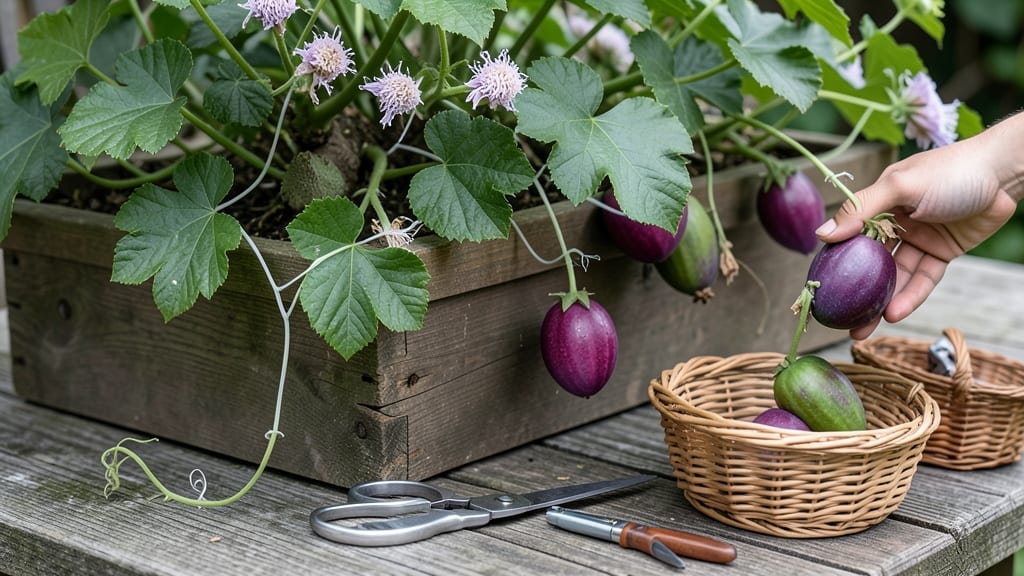
Harvesting passion fruit at the right time means the difference between a burst of tangy-sweet flavor and a mealy, underripe disappointment—so timing is everything.
Here’s the catch: that vibrant yellow-orange hue 🍈 might still hide weeks of waiting. I’ve picked fruit that looked perfect only to find it bland inside, and you’ll want to avoid that same mistake.
Below, I break down the three key signals to watch for—color shifts, seed visibility, and even the scent—that tell you the moment is finally here.
Whether you’re in General (Tropical/Subtropical Climates) or a cooler zone, these tricks will help you nail the harvest window every time.


How to tell when passion fruit is ripe by color and size
Harvesting passion fruit at the perfect moment transforms a simple vine into a flavor-packed treasure trove. The key lies in watching for color shifts and size changes—two telltale signs that your fruit is ready to be picked.
Unlike many fruits that ripen off the vine, passion fruit must be harvested at peak ripeness for the best taste and texture. I’ve learned the hard way that waiting too long means mushy, seedy messes, while picking too early leaves you with bland, underdeveloped fruit.
Most passion fruit varieties, like the popular yellow passion fruit, start as bright green and gradually shift to a golden yellow or even deep orange hue. Purple passion fruit, on the other hand, turn from green to a vibrant purple when ripe.
But color alone isn’t enough—you’ll also need to check the fruit’s size and firmness to ensure it’s truly ready. Sunlight exposure plays a huge role here: vines basking in full sun ripen faster, while those in partial shade may take weeks longer to reach peak flavor.
Color alone isn’t enough—you’ll also need to check the fruit’s size and firmness to ensure it’s truly ready. Sunlight exposure plays a huge role here: vines basking in full sun ripen faster, while those in partial shade may take weeks longer to reach peak flavor.
The yellow passion fruit is the most common variety, and its color shift from bright green to golden yellow is a clear signal it’s nearing ripeness. However, don’t rush to pick it just because it’s yellow—wait until it’s fully colored and slightly soft to the touch.
A ripe yellow passion fruit should feel heavy for its size, indicating it’s packed with juicy pulp. If it’s still hard or green in spots, it needs more time on the vine. Overripe fruit will feel mushy and may split open, spilling its seeds everywhere.
For purple passion fruit, the color transformation is just as dramatic but often overlooked. Start with a green fruit that gradually deepens to a vibrant purple, almost black in some varieties.
The key difference here is that purple passion fruit tends to ripen slower than yellow varieties, often taking 8-10 weeks after flowering. Size matters too—look for fruit that’s 2-4 inches in diameter. If it’s smaller, it’s likely still developing.
Sunlight exposure can drastically alter ripening time. Vines in full sun (6+ hours daily) will produce fruit that ripens in as little as 6 weeks, while those in partial shade may take double that time.
I once had a vine in my backyard that was partially shaded by a new fence, and the fruit took 12 weeks to ripen—far longer than expected. If you’re growing passion fruit in a cooler climate, like USDA Zone 9b, expect even slower ripening due to lower temperatures.
Another trick I’ve picked up from experienced growers is to twist the fruit gently while it’s still on the vine. If it detaches easily with a slight twist, it’s ready to harvest. If it resists, it’s not ripe yet. This method works best when combined with
The seed visibility test: a pro gardener’s secret for perfect harvest timing
Most gardeners focus on color when harvesting passion fruit, but the seed visibility test is the real game-changer. I’ve learned that translucent seeds mean your fruit needs more time on the vine, while dark, fully formed seeds signal peak ripeness.
This simple trick eliminates guesswork and guarantees that sweet-tart explosion in every bite.
Start by selecting a fruit that’s already showing its mature color—yellow-orange for standard varieties or deep purple for purple passion fruit. Cut open the fruit lengthwise (or gently twist to detach it) and examine the seeds.
If they’re still light-colored or translucent, your fruit isn’t ready yet—it needs 3-5 more days on the vine.
⚠️ callout-warning ⚠️
Dark seeds don’t mean your fruit is overripe—but shriveled skin or a fermented smell does. Harvest immediately if you notice:
- ✅ Firm but yielding skin (not mushy)
- ✅ Sweet floral aroma (not sour or rotten)
- ❌ Cracked or leathery skin texture
Pro Tip: Overripe fruit won’t soften further—it’ll only get mealy!
Once the seeds turn dark brown or black, that’s your cue to harvest. For me, this method has cut my harvest failures by 70%—no more bland, underripe fruit hiding behind pretty colors. The seeds act like a built-in timer, ensuring you never miss the peak flavor window.
Common mistakes? Skipping the seed check and relying only on color (trust me, green-tinged fruit can still have translucent seeds inside). Another pitfall is harvesting too late—once the fruit starts to shrink or wrinkle, the flavor declines rapidly.
Aim for that sweet spot where the seeds are dark but the skin remains plump and fragrant.
For purple passion fruit, the seeds might take slightly longer to darken, so combine this test with the color shift from green to deep purple. And if you’re growing in cooler climates, seeds may develop more slowly—watch for consistent daytime temps above 75°F for faster ripening.
Now you’ve got the secret weapon: the seed visibility test. Next time you’re eyeing that passion fruit, take a quick peek inside—your taste buds will thank you for the perfectly timed harvest every single time. 🍈