
How To
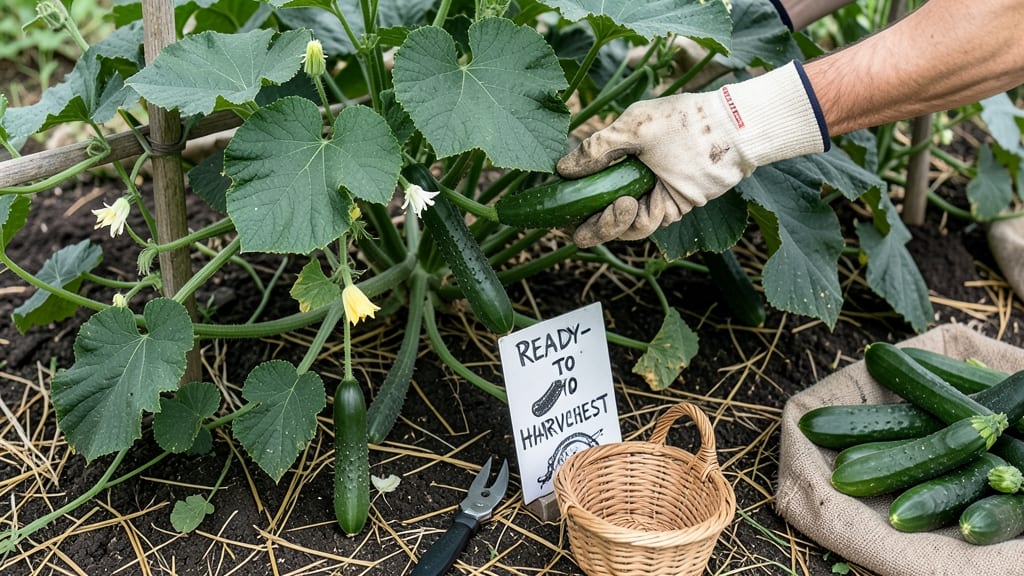
Harvesting pickling cucumbers at the right time ensures crisp, tangy flavor and avoids the bitter disappointment of overripe fruit 🥒 — and it all comes down to size, color, and a few simple checks.
Picture this: you’ve spent weeks nurturing your plants, and now the moment of truth arrives. One wrong move, and your homemade pickles turn into a mushy, flavorless mess. But get it right, and you’ll have jars of crunchy perfection for months.
Most gardeners focus on days to maturity, but the real secret lies in size-based stages—think 1-3 inches for ideal texture and flavor.
I’ll walk you through the exact measurements, how to spot overripe cucumbers before they ruin your batch, and the daily habits that keep your plants producing like clockwork.
By the end, you’ll know not just when to harvest, but how to do it so your pickling cucumbers stay fresh, firm, and ready for the jar every single time.
3 Size-based stages for harvesting pickling cucumbers (with exact measurements)
Harvesting pickling cucumbers at the right size is everything—too small and they’re underdeveloped, too big and they turn bitter or seedy. The key is knowing the three size-based stages that determine whether your pickles will be crisp, tangy, and perfect for bread-and-butter, gherkin, or chipper recipes.
Each stage has specific diameter measurements and visual cues to watch for.
I’ve grown pickling cucumbers for years, and the difference between a 1.5-inch gherkin and a 2.5-inch chipper isn’t just about size—it’s about texture, flavor, and even the type of pickle you’ll end up with.
Let’s break down the exact harvesting windows and what to look for in each stage to avoid overripe cucumbers that ruin your batch.
Pro Tip: Always harvest in the morning when cucumbers are cool and crisp. Use a sharp pair of pruning shears or a knife to avoid damaging the vine, which can reduce future yields.
| Stage | Ideal Diameter | Length | Best For | Visual Cues |
|---|---|---|---|---|
| Early Stage (Gherkin) | 0.75–1.25 inches | 2–3 inches | Gherkin pickles | Bright green, firm skin, slight give when pressed |
| Mid Stage (Bread-and-Butter) | 1.5–2 inches | 3–4 inches | Bread-and-butter pickles | Uniform color, slightly softer than early stage, stem snaps easily |
| Late Stage (Chipper) | 2.5–3 inches | 4–5 inches | Chipper pickles | Darker green, slightly thicker skin, still firm but less crisp |
The early stage (gherkin) is the most delicate and should be harvested when they’re just 0.75–1.25 inches in diameter. These tiny cucumbers are perfect for gherkin-style pickles because they’re packed with flavor and have a crisp, tangy bite.
If you wait too long, they’ll start developing seeds and a bitter taste, which is why I always check them every 2–3 days during peak production.
For bread-and-butter pickles, aim for the mid stage at 1.5–2 inches in diameter. These cucumbers have a balanced texture—firm enough to hold up during slicing but soft enough to absorb the pickle brine beautifully.
Look for a uniform green color and a slight give when you press your thumb against the skin. If the cucumber feels spongy or starts to yellow, it’s past its prime.
The late stage (chipper) is where many gardeners go wrong—they think bigger means better, but 2.5–3 inch cucumbers are only ideal for chipper-style pickles. These are thicker-skinned and slightly less crisp, but they’re still great for crunchy, hearty pickles.
The moment they exceed 3 inches, they’ll start developing woody fibers and a bitter flavor, which is why I never let them grow beyond this point.
One of my biggest mistakes early on was harvesting based solely on size without checking the texture. A cucumber might be the right diameter but feel soft or mushy—this is a red flag for overripeness.
Always do the thumb press test: if the skin doesn’t spring back quickly, it’s time to harvest or skip it for another use.
Another trick I use is to harvest in the morning when cucumbers are at their crispest. The cooler temperatures help preserve their firmness, and you’ll avoid the soggy texture that comes from harvesting later in the day.
Store them in a shady, well-ventilated spot until you’re ready to process them—never in direct sunlight or a sealed container, as this speeds up spoilage.
If you’re growing multiple pickling cucumber varieties, like ‘Boston Pickling,’ ‘National Pickling,’ or ‘Calypso,’ pay attention to their specific growth habits. Some varieties mature faster and may need harvesting every 1–2 days, while others can wait 3 days between picks.
Always check the seed packet or plant tag for variety-specific recommendations.
Finally, don’t forget that consistent harvesting encourages your plants to produce more. When you pick frequently, the vine focuses its energy on new growth instead of letting cucumbers overmature.
I’ve seen a single plant yield 50+ pickles in a season just by staying on top of harvesting—so grab those shears and get picking! 🌱
How to tell when pickling cucumbers are overripe (and why it ruins your batch)
Overripe pickling cucumbers are a gardener’s worst nightmare—turning your carefully planned pickle batch into a mushy, bitter disappointment. The moment they cross the ideal 1-3 inch window, their texture and flavor take a nosedive, leaving you with jars that lack the crisp, tangy punch you crave.
I’ve learned the hard way that waiting just one extra day can mean the difference between crunchy gherkins and seedy, watery cucumbers. Once they’re overripe, even the best processing methods can’t fully salvage them. Let’s dive into the warning signs so you can catch them before it’s too late.
⚠️ Overripe Cucumber Red Flags
- Yellowing skin: Bright green turns dull or yellowish—this means sugars convert to starches, creating bitter flavors.
- Soft spots: Press gently; if the skin dents easily, it’s past prime and will turn mushy during pickling.
- Seeds darken: Tiny black or brown seeds signal overmaturity, making cucumbers seedy and unappetizing.
- Bitter taste: Even if they look okay, a sharp, unpleasant bite confirms they’re too late for pickling.
🌱 Action: Harvest daily—pickling cucumbers grow fast!
If you spot these signs, don’t despair—there are still ways to salvage overripe cucumbers. For mildly overripe (but not yellow or seedy) cucumbers, try quick-pickling with extra vinegar or fermenting them into kosher dills, which tolerate slightly larger sizes.
The key is to process them immediately—delaying even 24 hours worsens texture.
For truly bitter or mushy cucumbers, compost them instead. Their high water content makes them poor candidates for cooking, and forcing them into recipes will only dilute flavors. Save your energy for the fresh, crisp harvests that make pickling worth the effort.
To avoid this mess entirely, I now harvest every 2-3 days and check cucumbers for firmness and size first thing in the morning. A quick twist test—where the stem snaps cleanly—tells me they’re ready.
This habit has cut my waste by 90% and kept my pickles perfectly crunchy every batch.
Remember, timing is everything in pickling. Once those cucumbers pass their prime, even the best brining techniques can’t fix the damage. Stay vigilant, and your homemade pickles will always shine—no bitter surprises included! 🌿