
How To
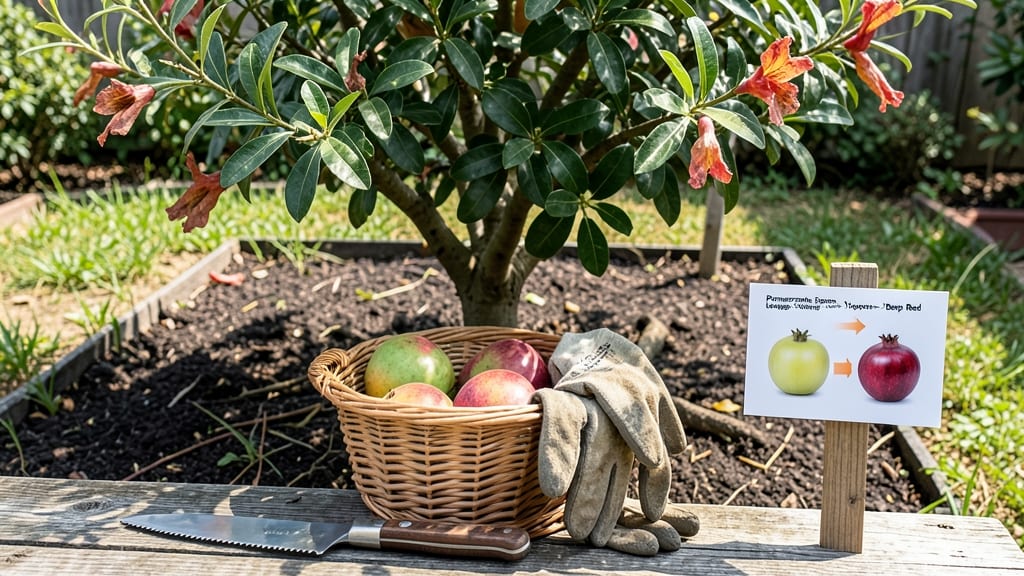
How to determine pomegranate ripeness using seed color & crack test
Harvesting pomegranates at the right moment transforms tart frustration into sweet success. The seed color and rind texture reveal ripeness secrets most gardeners miss. I’ve learned the hard way—waiting too long means mealy seeds, while picking too soon delivers bitter disappointment. Let’s crack the code together.
Start by examining the fruit’s exterior. A ripe pomegranate’s rind shifts from green to deep yellow-brown, almost like a sun-ripened peach. This color change signals the seeds inside are developing their signature sweetness.
But don’t rely solely on color—texture matters too. Gently squeeze the fruit; it should feel firm yet slightly yielding, like a ripe avocado.
Here’s where the magic happens: the seed color progression. Inside, seeds start white or translucent when unripe, then deepen to pink, red, or ruby hues as they mature. This transformation isn’t instant—it takes weeks.
The Wonderful variety, for example, develops deep red seeds at peak ripeness, while Eversweet seeds turn pinkish-white. Pro tip: Cut open a test fruit if unsure—this is your definitive ripeness check.
| Ripeness Stage | Rind Color | Seed Color | Texture | Harvest Action |
|---|---|---|---|---|
| Unripe | Green or partially green | White/translucent | Hard, no give | Wait 2-4 weeks |
| Early Ripening | Yellow-green | Light pink | Slightly firm | Test one fruit |
| Peak Ripeness | Deep yellow-brown | Red/pink (varies by type) | Firm but yielding | Harvest immediately |
| Overripe | Shriveled or cracked | Dark but mealy | Soft, mushy | Avoid—use for juice |
The crack test is my foolproof method. At peak ripeness, pomegranates develop a natural crack at the top, almost like a tiny crown. This split isn’t a flaw—it’s nature’s way of signaling readiness.
If you see this, harvest within 24 hours to avoid overripeness. For varieties like Ganesh, this crack appears earlier, so monitor closely.
Don’t ignore the stem’s condition. A ripe pomegranate’s stem dries out and darkens near the fruit. This dry, papery texture contrasts with the fresh green of unripe stems.
Twist gently—if the fruit detaches easily, it’s ready. Resist the urge to yank; a clean twist prevents damage to the tree’s branches.
Climate plays a sneaky role in ripening. In warmer zones (Zone 9b-10), pomegranates ripen faster—sometimes in as few as 180 days. Cooler climates (Zone 6-7) may need 240+ days.
I’ve seen Eversweet varieties ripen in October in California but linger until November in Colorado. Track your tree’s progress with a small notebook or app.
Pro move: Harvest on a dry, sunny morning. This ensures the rind dries quickly, preventing rot. Store ripe pomegranates at room temperature for up to 3 weeks. For longer storage, refrigerate—though the seeds may soften slightly.
Never wash before storing; moisture speeds up spoilage. I like to place them in a single layer on a tray to avoid bruising.
Overripe pomegranates reveal their secrets through shriveled skin and mold spots. The seeds turn dark but feel mealy when squeezed. If you missed the window, don’t toss them—blend into juice or sauces where texture matters less.
Underripe fruit? Toss it or compost; the bitter, astringent taste won’t improve with time.
Mastering these cues turns guesswork into confident harvesting. Next time you spy that deep yellow-brown rind and pink-tinged seeds, you’ll know: it’s time to pick. Your taste buds—and your tree—will thank you.
Best harvest time by pomegranate variety & climate conditions
Not all pomegranate varieties ripen at the same time, and your local climate zone plays a huge role in determining the perfect harvest window.
In USDA Zone 6, for example, most varieties reach peak ripeness between late September and November, while in warmer Zone 10, harvests can stretch from October to December. Understanding these differences ensures you don’t miss the sweetest, juiciest fruit.
Temperature fluctuations, rainfall patterns, and even soil moisture levels can shift ripening schedules by 2-4 weeks. For instance, a hot, dry summer may accelerate ripening, while cool, wet conditions can delay it.
Knowing your specific pomegranate variety and its ideal conditions helps you plan ahead for the best possible harvest.
If you’re growing Wonderful pomegranates in Zone 9b, expect harvests in early October, while the same variety in Zone 6 may not ripen until late October or early November. Eversweet, a cold-tolerant variety, often ripens later in cooler regions like Zone 7, making November or even December the ideal harvest time.
Rainfall also impacts ripening. Too much late-summer rain can cause fruit splitting or mold, while drought conditions may slow ripening. In areas with high humidity, like the Southeast, monitor fruit for signs of rot and harvest slightly earlier to avoid losses.
Conversely, in arid climates like Arizona, pomegranates may ripen faster due to intense sun exposure.
For container-grown pomegranates, harvest times may shift slightly due to limited root space and pot drying. These trees often ripen 1-2 weeks earlier than their in-ground counterparts.
To adjust, keep an eye on the seed color and rind texture—these cues matter more than calendar dates when growing in containers.
Pro tip: In Zone 6, a light frost in early November can signal it’s time to harvest, even if the fruit isn’t fully ripe. Bring pomegranates indoors to finish ripening on a sunny windowsill if needed.
In warmer zones, wait until the stem dries and darkens—this is your final cue that the fruit is ready to pick.