
How To
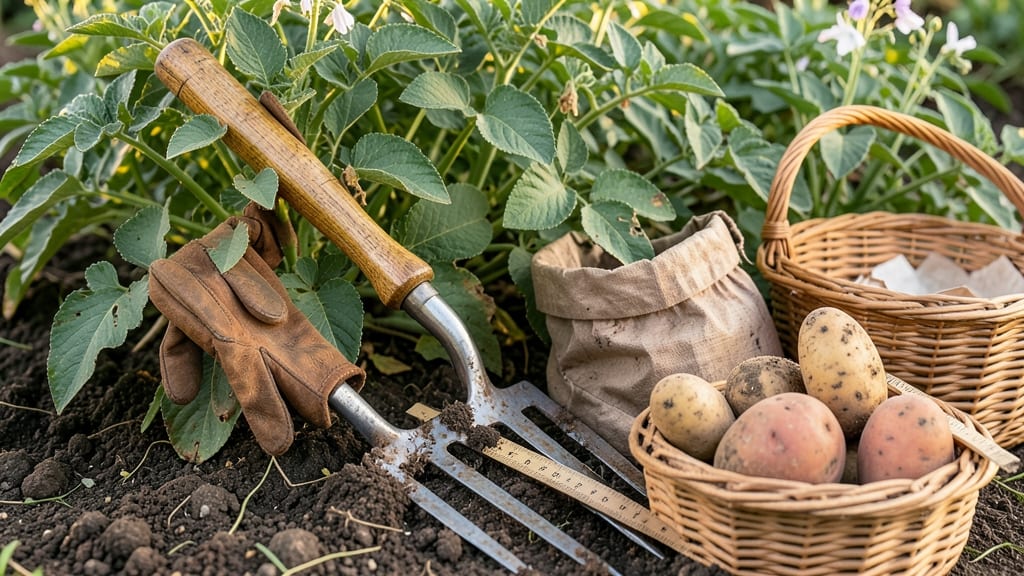
Harvest potatoes in Ohio when soil temperatures drop to 50°F–60°F and foliage begins yellowing—this window ensures peak starch and flavor before frost risks arrive.
Ohio gardeners know timing is everything—harvest too early, and you’ll miss out on starchy perfection; wait too long, and your crop turns mealy. Mastering the art means watching for foliage signals like wilting flowers or dry soil, while also accounting for regional frost dates.
Early varieties in Zone 6a often ripen by late July, but late-season potatoes may need to stay in the ground until September. The key? Soil temperature trumps the calendar—once it cools, it’s time to dig.
Below, I’ll break down the exact cues to watch for, how to test tuber readiness, and Ohio-specific storage tips to keep your 🥔 harvest fresh through winter.


Ohio potato harvest timeline: soil temperature & growing degree days guide
Harvesting potatoes in Ohio isn’t one-size-fits-all—your local microclimate and soil temperature play starring roles. Unlike warmer climates, Ohio’s 50°F-60°F soil range triggers optimal starch development, while growing degree days (GDD) help predict peak harvest windows.
North Ohio’s shorter season demands earlier attention than South Ohio’s extended growing period, and late blight risk adds urgency to timing.
For most Ohio varieties, 90-120 cumulative GDDs signal maturity, but early varieties like 'Yukon Gold' may reach harvest readiness at 80-90 GDDs. Track your GDDs using a simple formula: subtract 50°F from daily highs, average with lows, and sum over time.
This method accounts for Ohio’s variable spring soil warming and ensures you don’t miss the window.
Here’s the critical harvest timeline broken down by Ohio’s two distinct regions, with soil temperature and GDD benchmarks:
| Region | Soil Temp | GDD Range | Harvest Window | Key Cues |
|---|---|---|---|---|
| North Ohio (Zones 5-6) | 50°F-55°F | 80-100 GDDs | Late July - Early August | Foliage yellows, 3-4" tubers |
| South Ohio (Zones 6-7) | 55°F-60°F | 100-120 GDDs | Mid-August - Late September | Stems brown, 5-6" tubers |
| Late Blight Risk Zones | 50°F+ | 90+ GDDs (early harvest) | June-July (preventative) | Wilting leaves (disease vs. maturity) |
North Ohio’s cooler soils mean potatoes often reach harvest readiness 2-3 weeks earlier than South Ohio’s. For example, 'Kennebec' potatoes in Zone 5 (Toledo area) may be ready by July 15, while the same variety in Zone 6 (Columbus) might wait until August 1.
Use a soil thermometer to confirm temperatures—below 50°F slows tuber growth, while above 65°F can cause greening or sprouting.
Late blight (Phytophthora infestans) complicates timing in Ohio, especially in humid June-July periods. If your plants show dark brown spots on leaves, harvest immediately—even if tubers aren’t fully mature.
Prioritize early-maturing varieties like 'Red LaSoda' in high-risk areas, as they reach harvest before blight peaks. Always rotate crops to reduce future risk.
For new potatoes (small, tender tubers), aim for 60-70 GDDs and harvest when foliage shows 10-20% yellowing. Dig a test tuber—if it’s 1-2 inches wide with smooth skin, it’s ready.
For storage potatoes, wait until foliage is fully brown and crispy, then let tubers cure in the soil for 2-3 days to develop protective skins.
Ohio’s first frost dates (mid-October in North, late October in South) create urgency for late varieties. If frost threatens before harvest, cover plants with straw mulch to protect tubers and extend the season.
Never harvest in wet soil—wait until the ground is dry to avoid rot. A fork or spade works best for digging, but avoid stabbing tubers directly.
Pro tip: Keep a harvest journal to track your GDDs and soil temps. Note which varieties perform best in your microclimate—some, like 'Purple Viking', thrive in Ohio’s shorter seasons, while others, like 'Russet Burbank', need extra time. Over 3 years, you’ll refine your timing to perfection.
🌱
5 Key foliage & plant signals that mean potatoes are ready to harvest
Knowing when to harvest potatoes in Ohio isn’t just about checking the calendar—it’s about reading your plants. The foliage signals your potato plants send are the most reliable indicators that your 🥔 harvest is ready.
For Ohio’s Zone 6a, these cues often appear between late July and early September, depending on variety and weather.
Early varieties might show signs as soon as late July, while late-season potatoes could wait until September. The key is to watch for these 5 visual and tactile cues that tell you it’s time to dig.
Ignoring these signals can lead to mealy potatoes or even missed harvests if frost arrives early.
-
1. Flowers Wilt & Die Back
When potato blossoms start wilting and turning brown, it’s a clear sign the plant is redirecting energy to tuber development. This usually happens 2-3 weeks before full maturity in Ohio’s climate.
-
2. Stem Yellowing & Leaf Drop
Healthy green foliage turns yellow or brown and begins to die back from the bottom up. This is nature’s way of telling you to harvest soon—wait much longer, and the tubers may start breaking down.
-
3. Soil Around Plants Dries & Loosens
Dig a small test hole near the plant. If the soil is dry and crumbly 3-4 inches down, it’s a sign the tubers have stopped growing and are ready. Wet soil can delay harvest and increase rot risk.
-
4. Tubers Resist Gentle Pressure
Gently squeeze a tuber through the soil. If it feels firm but gives slightly (like a ripe avocado), it’s mature. If it’s hard and resists, it’s not ready; if it’s mushy, you’ve waited too long.
-
5. New Potatoes vs. Mature Harvest
New potatoes (golf-ball sized) can be harvested early for tender skin, but mature potatoes (baseball-sized or larger) need full foliage senescence. For Ohio’s shorter season, prioritize mature harvests for storage.
One common mistake Ohio gardeners make is confusing disease stress (like late blight) for maturity signals. If your plants yellow suddenly but the stems are still firm and green, check for fungal spots or wilting patterns. True maturity means the entire plant wilts evenly, not just in patches.
For new potatoes, you can harvest as soon as they reach golf-ball size (about 60-70 days after planting), but these won’t store well. Mature potatoes need the full 90-120 days to develop thick skins and optimal starch levels.
In Ohio’s Zone 6a, aim to harvest mature potatoes before the first frost—typically by mid-October.
Pro tip: If you’re unsure, dig up one plant to test. Cut into a tuber—if it’s firm with a dry center, it’s ready. If the flesh is still moist and white, wait a week and check again. This hands-on approach beats guessing, especially in Ohio’s variable climate.