
Vegetables
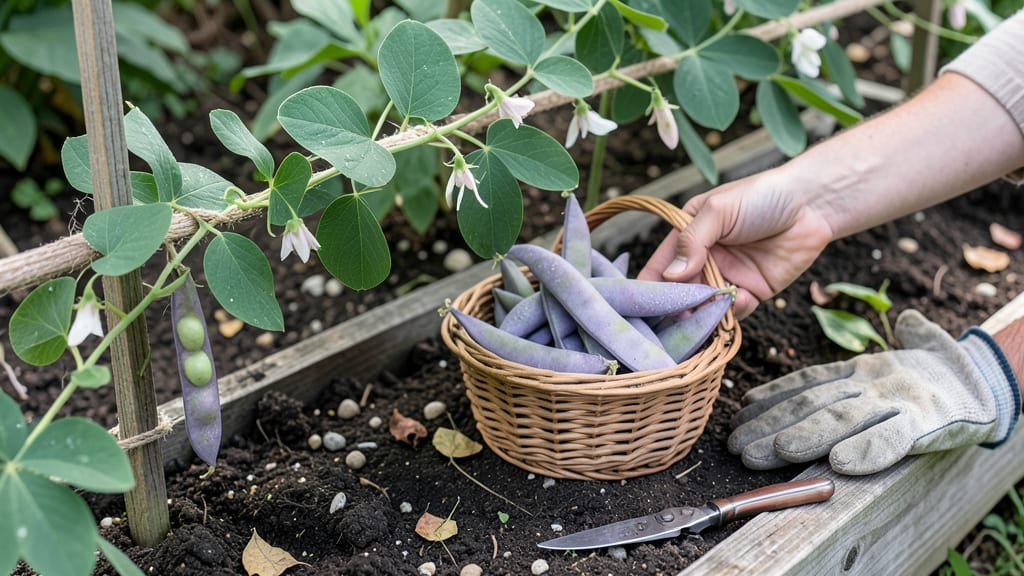
Harvesting purple hull peas at the right time turns a simple garden task into a bounty of sweet, tender pods 🌱 — and missing that window means tough, mealy peas instead.
Picture this: you’ve waited all spring, and now your purple hull peas are climbing, their vines heavy with promise. But how do you know when to snip them for peak flavor? The answer lies in their size, color, and a little give when you squeeze them.
Too early, and you’ll pick small, underdeveloped pods. Too late, and the peas inside swell into dry, shriveled seeds. The sweet spot? When pods reach 2-3 inches long, turn a deep purple, and snap easily with a slight bend.
In this guide, I’ll walk you through the exact visual cues, the best tools to use, and how often to harvest to keep your plants producing all season. Let’s make sure your effort pays off with the juiciest peas possible.


How to identify perfectly ripe purple hull peas by pod color and size
Harvesting purple hull peas at the right moment transforms your garden into a treasure trove of sweet, tender pods. The key lies in watching for three critical visual cues: pod color, size, and texture.
When you spot these signs, you’ll know your peas are ready to pick—before they turn tough or dry. Let’s break down exactly what to look for in your garden. 🌱
First, focus on the pod color progression. Young pods start as a pale, almost translucent green. As they mature, they darken to a rich, deep green—this is your first clue that the peas are nearing harvest readiness.
The transition from light to dark green typically happens within 10-14 days after flowering, depending on your climate. Don’t wait until they turn purple; that’s a sign they’ve passed their prime. 🌿
The pod size is another dead giveaway. Aim to harvest when pods measure between 2 to 3 inches long. At this stage, they’re plump and full of flavor. If you pick them smaller than 1.5 inches, the peas inside will be underdeveloped and tough.
On the flip side, pods longer than 3 inches often mean the peas are overripe and mealy. Use a ruler or your thumb as a quick reference in the garden. ✂️
Here’s where many gardeners go wrong: ignoring the pod texture. A perfectly ripe purple hull pea pod should feel firm but slightly yielding when gently squeezed. Think of it like a ripe avocado—it shouldn’t be rock-hard or mushy.
If the pod feels spongy or hollow, it’s overripe. If it’s still too soft, give it a few more days. This tactile check is just as important as the visual cues. 🤏
| Stage | Pod Color | Pod Size | Texture | Action |
|---|---|---|---|---|
| Early | Pale green | <1.5 inches | Soft | Wait 5-7 days |
| Ideal Harvest | Dark green | 2-3 inches | Firm, yielding | Harvest now! |
| Overripe | Dull purple | >3 inches | Hard or dry | Too late; save seeds |
One of the most common mistakes I see is picking pods based solely on their purple hue. While the name “purple hull” suggests a focus on color, the pods are actually ready when they’re still green—just before they turn purple.
The purple color is a signal that the peas inside are fully developed and the pod is starting to dry out. If you wait for the purple stage, you’ll miss the sweetest window. 🟣
Don’t forget to check the seed visibility through the pod’s translucent skin. When the peas inside are plump and clearly visible, it’s time to harvest. You should see 3-4 well-defined peas per pod at the ideal stage.
If the seeds are still tiny or the pod looks empty, it’s not ready yet. This trick works especially well for gardeners who prefer hands-off harvesting methods. 🌿
Another pro tip: perform the snap test on a few pods to confirm readiness. Gently bend a pod near its stem—if it snaps cleanly, it’s ripe. If it resists or breaks unevenly, it’s either too young or overripe.
This simple test saves you from harvesting a batch of peas that won’t meet your flavor expectations. Practice this in your garden to build muscle memory for future harvests. ✂️
Timing your harvests correctly also depends on your local climate. In warmer regions, pods may mature faster—sometimes in as little as 50 days—while cooler areas might take up to 75 days.
Pay attention to your plants’ growth rate and adjust your picking schedule accordingly. If you’re in doubt, err on the side of harvesting a little early; peas continue to sweeten slightly after picking. 🌡️
Finally, remember that consistent harvesting encourages more production. Purple hull peas are prolific, but they’ll stop producing if you let too many pods mature on the vine. Aim to pick every 2-3 days during peak season to keep your plants happy and productive.
This habit ensures you’ll have a steady supply of fresh, tender peas all season long. 🌱
Mastering the art of harvesting purple hull peas is all about observing these visual and tactile cues. Once you get the hang of it, you’ll never miss the perfect moment again—just in time to enjoy the sweetest, most flavorful peas straight from your garden. Happy harvesting! 🌿
Best practices for harvesting purple hull peas to maximize yield and flavor
Once you’ve identified your purple hull peas are ripe, the next step is harvesting them correctly to preserve that sweet flavor and keep your plants producing. Start by picking pods every 2-3 days—this prevents overcrowding and encourages more flowers and pods to form.
Use a sharp pair of pruning shears or garden scissors to avoid damaging the vines, and always cut just above a leaf node.
Harvest in the morning after dew dries for the best flavor and texture. This timing also helps pods stay crisp longer. Grab a small basket or bucket lined with a soft cloth to prevent bruising those tender pods.
Remember, the more you harvest, the more your plants will reward you with fresh pods throughout the season.
When harvesting, focus on the main stem and branches first, working your way outward. This ensures you’re not missing any hidden gems behind leaves. A gentle tug usually does the trick, but if pods resist, use your shears.
Always leave some pods on the vine to keep the plant producing—don’t strip it bare!
After harvesting, handle pods with care. Store them in the refrigerator for up to 5 days in a perforated plastic bag to maintain freshness. For longer storage, blanch and freeze them—this preserves their vibrant color and sweet taste for months.
If you’re not using them immediately, avoid washing until right before cooking to prevent moisture loss.
To extend your harvest season, consider planting a second crop 2-3 weeks after the first. This staggered approach ensures you have fresh purple hull peas from early summer through late fall.
Just make sure your soil stays consistently moist and your plants get plenty of sunlight to keep them thriving.
One common mistake is harvesting too aggressively, which can stress the plant. Aim to pick only what you’ll use within a few days, and always leave some pods on the vine. This balance keeps your plants happy and productive all season long.
If pods turn yellow or brown or feel dry and papery, they’re past their prime. Overripe pods won’t soften back up—they’re best composted. Conversely, harvesting too early (pods under 1.5 inches) means tough, fibrous peas. Stick to 2-3 inch pods with a slight snap for perfect flavor.
🌱 Pro Tip: Check pods every 2-3 days—consistency is key!
For large harvests, consider drying or freezing excess pods. Shell fresh peas and freeze them in airtight containers for later use in soups or stews. Dried peas keep for years in a cool, dark place. Either method ensures you enjoy your homegrown bounty long after the growing season ends.