
How To
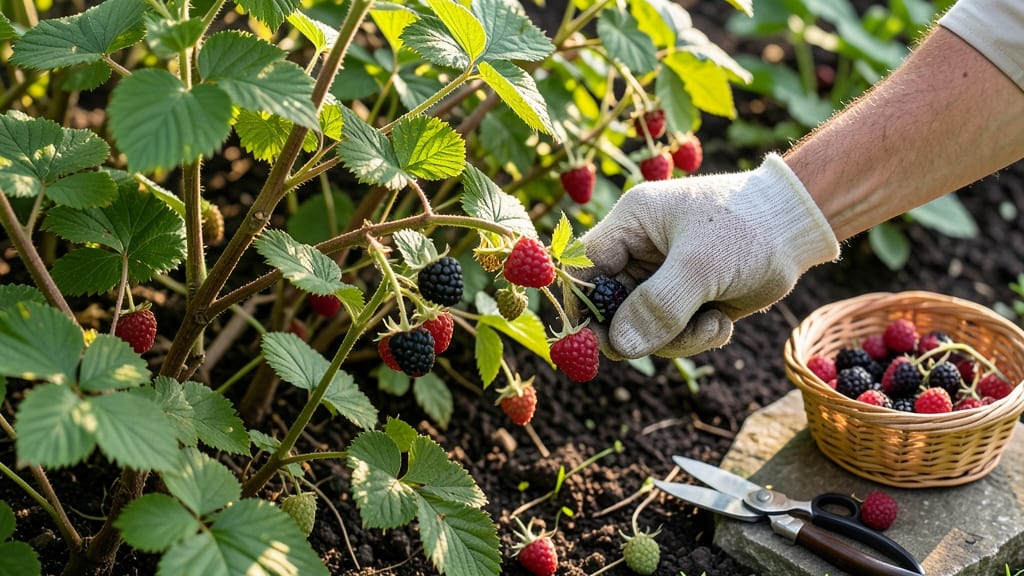
Harvesting raspberries at the right time ensures sweet, juicy fruit 🍇 — and missing this window means mealy berries or a bird feast before you can pick.
Picking too early means bland, underripe fruit, while waiting too long risks birds and wildlife snatching your harvest. The key is knowing three visual and tactile cues that guarantee peak flavor every time.
In USDA Zone 6a, raspberries typically ripen between July and September, but climate and variety play a huge role. A fully colored berry that detaches easily with a gentle tug is your green light to harvest.
Below, I’ll walk you through the exact signs to watch for, how to pick without damaging the plant, and regional adjustments to extend your harvest season.


3 Visual and tactile signs raspberries are ready to pick
Harvesting raspberries at the perfect moment transforms your garden bounty into sweet, juicy perfection. But how do you know when those tiny green berries have finally reached their peak? The answer lies in three unmistakable visual and tactile cues that reveal when your raspberries are ready to pick.
Ignoring these signs can mean mealy, underripe fruit or berries that collapse into mush—neither of which you want in your kitchen or pantry.
Raspberries are deceptively delicate—they ripen quickly, often in just 24 hours, and birds or hungry gardeners can snatch them before you know it. That’s why learning to recognize these three key indicators will help you beat the competition and enjoy the best flavor.
Whether you're growing red, black, or golden raspberries, these signs apply to all varieties.
- 1 Fully Vibrant Color
- 2 Firm Yet Yielding Texture
- 3 The 'Yielding Test'
Raspberries should be deeply colored—no pale or greenish hues. Red raspberries will be a rich crimson, black raspberries a deep purple-black, and golden varieties a bright golden-yellow. Use this as your first visual checkpoint before testing firmness.
Gently squeeze a berry between your thumb and forefinger. It should feel plump and slightly soft, almost like a ripe peach. If it's rock-hard, it’s underripe. If it feels mushy or squishy, it’s overripe and past its prime. The ideal berry gives just a tiny bit when pressed.
Grasp the berry cluster and give it a gentle tug. If the berries detach easily from the receptacle (the cone-like core), they’re ready. If they resist and pull away with the core, they’re not ripe yet. This test is foolproof—it’s how I’ve harvested hundreds of pounds of raspberries without a single bruised berry.
One common mistake I see is harvesting based on size alone. Sure, bigger berries might look appealing, but they’re often overripe and lack flavor. Focus on the color and texture first—those are the true indicators of ripeness.
For example, Heritage raspberries will turn a deep red, while Boyne Golden varieties should be a bright, sunny yellow when ready.
Another pro tip: Harvest in the morning when temperatures are cooler. This ensures the berries stay fresher longer and won’t collapse under the midday heat. I always bring a small basket or clamshell container to avoid crushing the delicate fruit.
If you’re harvesting for fresh eating, pick only what you’ll use within 2-3 days—raspberries don’t store well once picked.
What if you miss the window? Overripe raspberries will still be edible but will be softer and less flavorful. They’re perfect for baking or making jam, but if you’re aiming for that burst of fresh flavor, timing is everything.
Paying attention to these three signs will ensure you’re always picking at peak ripeness—no more sad, mealy berries!
Now that you know the visual and tactile cues for harvesting raspberries, you’re ready to enjoy a bounty of sweet, juicy berries straight from your garden. Just remember: color, firmness, and the yielding test are your best friends when it comes to raspberry harvesting. Happy picking! 🍇
Best harvesting practices for maximum flavor and yield
Once you’ve spotted those fully colored raspberries with a glossy sheen, the next step is harvesting them the right way to preserve flavor and protect your plant. I’ve learned that gentle handling and proper timing make all the difference between a sweet harvest and a disappointing one.
Raspberries are aggregate fruits, meaning each berry is made up of many tiny drupelets. When you pick them too roughly, you risk tearing the fruit or damaging the receptacle where next year’s fruit will form.
That’s why I always use a soft touch and the right tools to avoid stressing the plant.
Timing your harvest isn’t just about flavor—it’s also about storage life. Raspberries picked at peak ripeness last 3-5 days in the fridge, while those harvested too early may only last a day or two.
For the best results, I aim to harvest in the morning when temperatures are cooler, which helps preserve freshness.
⚠️ Harvesting Too Late = Wasted Berries
Raspberries left on the plant past their prime become overripe and mushy, attracting pests like birds and rodents. Worse, they can split open or ferment, ruining entire clusters. If you see dark spots or soft patches, harvest immediately—even if they’re not fully ripe—or remove them to protect the rest of the crop.
For maximum yield, I harvest raspberries every 2-3 days during peak season. This prevents overcrowding on the plant, which can lead to smaller, less flavorful berries. I also avoid harvesting when the fruit is damp from dew or rain, as moisture speeds up spoilage and encourages mold.
Using the right tools can make harvesting raspberries easier and more efficient. I recommend a pair of sharp pruning shears or a raspberry harvesting tool with a long handle to reach deep into the canes without bending over.
These tools let you snip the entire cluster cleanly, reducing damage to the plant and speeding up the process.
If you’re planning to store or preserve your raspberries, harvest them slightly underripe—they’ll continue to ripen at room temperature for up to 24 hours. For freezing or making jam, this is a game-changer, as underripe berries hold their shape and flavor better during processing.
Just be sure to pat them dry before storing to prevent mold.
Seasonal variations can shift your harvest window by 2-4 weeks. In cooler climates, raspberries may ripen later in the season, while warmer regions can see earlier harvests.
Pay attention to your local last frost date and adjust your expectations accordingly—this ensures you don’t miss the window or harvest too early.