
How To
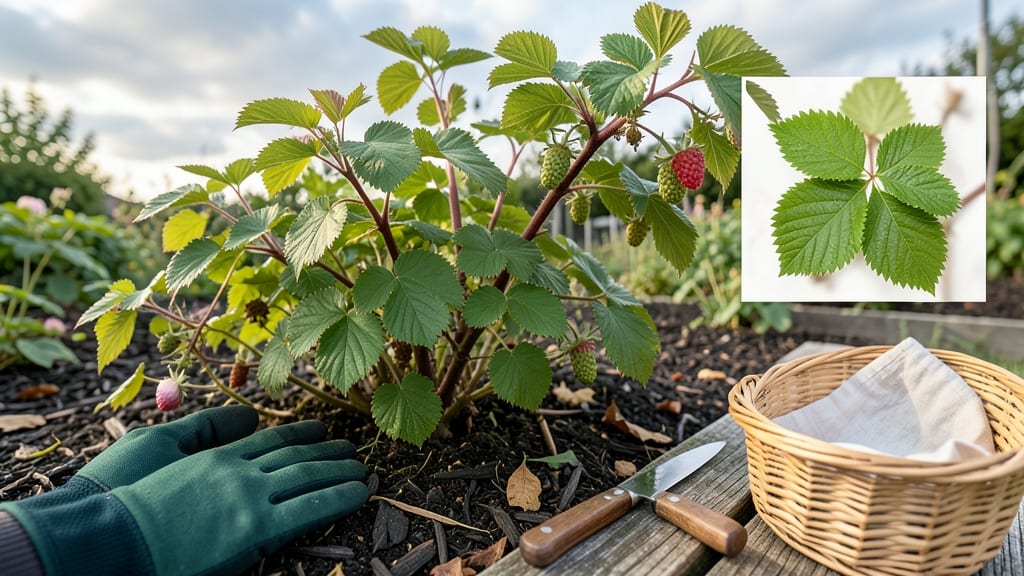
Harvesting raspberry leaves at the right time unlocks their full flavor and nutritional power—whether you’re steeping them for tea or tossing them into salads.
Picture this: you’ve waited all spring for those glossy, deep-green leaves to appear, only to wonder, Is this the moment? One wrong cut and you’re left with bitter, underdeveloped foliage instead of the vibrant harvest you imagined.
The difference between a good batch and a great one often comes down to timing.
Raspberry leaves are best harvested in early spring, just as they fully unfurl and turn a rich, deep green—before flowering begins. This is when they’re packed with antioxidants and a mild, slightly sweet flavor.
But there’s more: late-season leaves after fruiting also offer a unique, earthier taste, perfect for savory dishes.
In this guide, I’ll walk you through the three key leaf stages for harvesting, how to test ripeness with a simple touch-and-sniff method, and the best times of day to pick for peak freshness.
By the end, you’ll know exactly when to reach for those leaves—and how to use them in everything from teas to pest-repellent sprays.


3 Key leaf stages for harvesting raspberry leaves (with flavor impact)
Harvesting raspberry leaves at the right time unlocks their full potential—whether you're growing them for tea blends, culinary garnishes, or medicinal infusions. The flavor and nutrient profile shift dramatically between leaf stages, from delicate young shoots to robust mature leaves.
Understanding these three critical stages ensures you harvest leaves with the perfect balance of aromatic compounds and bioactive compounds like ellagic acid.
Scientific studies show that raspberry leaves contain higher concentrations of polyphenols and vitamin C when harvested at specific growth phases. Young leaves, for example, pack a punch of ascorbic acid (vitamin C), while mature leaves develop richer tannin profiles that deepen flavor complexity.
Late-season leaves, though less common for harvest, offer unique earthy notes ideal for herbal preparations.
Let’s break down each stage with visual cues, flavor profiles, and culinary uses to help you time your harvest like a pro. Whether you're a seasoned gardener or a curious beginner, these insights will elevate your raspberry leaf harvest from good to exceptional.
| Stage | Leaf Characteristics | Best For | Flavor Profile |
|---|---|---|---|
| Young Leaves | Light green, tender, 1-3 inches long | Teas, salads, garnishes | Bright, citrusy, slightly sweet |
| Mature Leaves | Deep green, firm, 3-5 inches long | Infusions, cooking, preserves | Earthy, slightly bitter, robust |
| Late-Season Leaves | Darker green, leathery, 4+ inches long | Herbal remedies, tinctures | Deep, woody, complex |
The young leaf stage is your window for harvesting the most tender, delicate-tasting leaves, perfect for teas or fresh salads. These leaves appear in early spring, just as new canes emerge. Their high vitamin C content makes them a prized ingredient in immune-boosting blends.
To identify them, look for leaves that are partially unfurled but not fully expanded—typically 1-3 inches in length.
For mature leaves, wait until they’ve fully expanded and developed a deep green hue, usually by late spring to early summer. These leaves are thicker and more leathery, ideal for infusions or cooking.
Their flavor is more complex, with a slightly bitter edge that pairs beautifully with berry desserts or herbal syrups. Nutrient-wise, mature leaves contain higher levels of antioxidants like quercetin, which supports heart health.
Late-season leaves, often overlooked, offer a unique earthy depth that’s perfect for herbal remedies or winter infusions. Harvest these after the first frost or when leaves begin to yellow slightly at the edges.
Their leathery texture and concentrated flavor make them ideal for tinctures or dried blends. Just be cautious—overharvesting at this stage can stress the plant before winter dormancy.
Pro tip: Always harvest raspberry leaves in the morning after dew has dried to preserve their aromatic oils. Use clean, sharp pruning shears to avoid damaging the plant, and never harvest more than one-third of the foliage from a single cane to ensure healthy regrowth.
This practice maintains your plant’s vigor for future harvests and fruit production.
If you’re growing raspberries for both fruit and leaves, prioritize leaf harvests after the first fruit flush has been picked. This minimizes stress on the plant while still allowing you to enjoy the peak flavor of mature leaves.
For medicinal uses, such as anti-inflammatory teas, mature leaves harvested in late summer offer the highest concentration of beneficial compounds.
Experiment with different stages to discover your favorite flavor profiles. Young leaves might remind you of citrus-infused iced tea, while mature leaves could inspire a raspberry-leaf pesto with a bold, herbal kick.
The key is to harvest mindfully, respecting the plant’s growth cycle while reaping the rewards of your labor.
How to test raspberry leaf ripeness: a hands-on guide
Testing raspberry leaf ripeness is simpler than you think—it’s all about color, texture, and a quick sniff test. I’ve learned that young leaves (just unfurled) are tender and slightly sweet, while mature leaves (fully expanded) offer a more robust flavor.
The key is catching them at the right moment to avoid bitterness or underdeveloped flavors that ruin your harvest.
Start by examining the leaf color. Fully ripe raspberry leaves should be a deep, vibrant green—not pale or yellowing. A healthy leaf also feels firm to the touch with a slight crispness, almost like a fresh basil leaf.
If it feels flimsy or wrinkled, it’s past its prime or stressed.
Next, give the leaf a gentle aroma test. A ripe raspberry leaf releases a mild, fresh scent—almost herbal with a hint of raspberry. If it smells dull or musty, it’s overripe.
This simple sniff can save you from harvesting leaves that’ll taste bland or bitter in your tea or salads.
Now, check the leaf arrangement. Look for leaves that are fully unfurled but not yet flowering. Flowering signals the plant is shifting energy to fruit production, which means the leaves will start losing their peak flavor.
I always harvest leaves from the outer canes first to avoid over-pruning the center.
⚠️ callout warning
1. Harvesting too early: Leaves are still small and tender, lacking full flavor.
2. Picking diseased leaves: Yellow or spotted leaves can introduce pests to your harvest.
3. Over-pruning: Never remove more than 1/3 of the leaves from a single cane.
4. Harvesting after rain: Wet leaves bruise easily and spoil faster.
For the best results, harvest leaves on a dry, sunny morning after any morning dew has evaporated. This ensures the leaves are crisp and free of moisture, which can lead to mold.
I like to use clean, sharp scissors or pruners to snip leaves just above a leaf node—this encourages new growth.
If you’re unsure, remember this rule: When in doubt, wait a few days. Leaves won’t ripen further once picked, but waiting ensures you get the best flavor.
Store harvested leaves in a paper bag in the fridge for up to a week, or dry them for long-term use in teas or pest sprays.