
How To
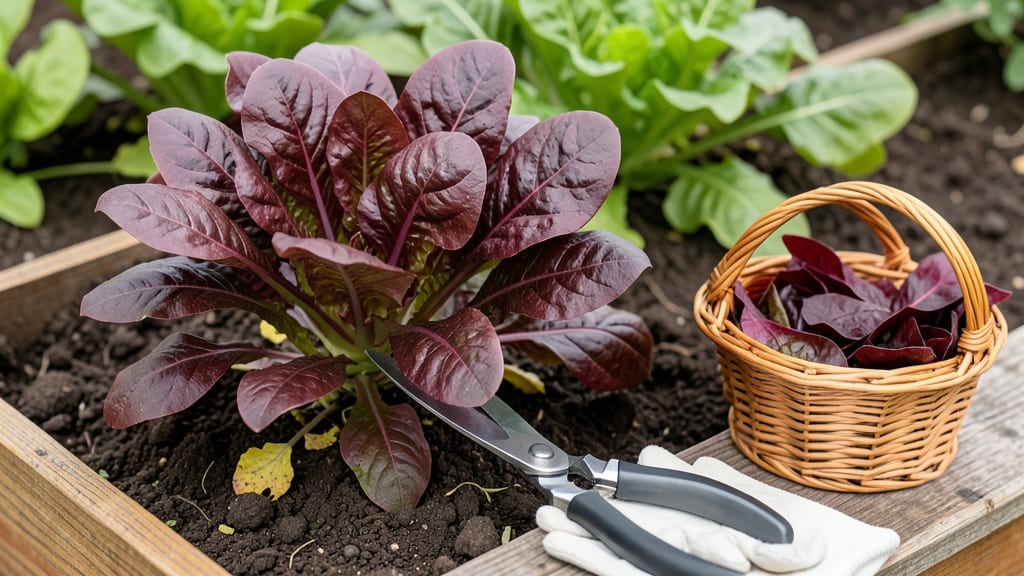
Harvesting red romaine lettuce 🥬 at the right time means the difference between a salad bursting with crispness and one that’s limp or bitter.
Picture this: you’ve nurtured your red romaine for weeks, watching it grow from tiny seedlings to lush, deep-red leaves. But how do you know when to pick it? Miss the window, and you’re left with tough stems or bolting plants—something every home gardener wants to avoid.
Timing your harvest isn’t just about days since planting; it’s about leaf size, color, and even the weather. In Zone 6a, your spring crop should be ready by late May, while fall plantings hit their prime in September or October.
The key is catching those crisp stems and vibrant red hues before the heat or cold sets in.
Below, I’ll walk you through the three visual cues that scream “harvest me now,” plus the best times of day and seasonal tips to keep your lettuce tasting fresh. No more guesswork—just perfect, restaurant-worthy greens.


3 Visual signs your red romaine lettuce is ready for harvest
Harvesting your red romaine lettuce at the right time ensures maximum flavor and texture. The key lies in visual cues that reveal peak ripeness. Look for deep red coloration, firm stems, and fully developed leaves—these are your green thumbs' golden ticket to crisp, delicious harvests.
Ignore these signs, and you risk bitter or overly soft lettuce that falls short of your salad dreams.
One of the first things to check is the leaf size. Mature red romaine leaves should reach 6-8 inches in length. If your plants are still small and loosely arranged, they need more time to grow.
But once they hit that ideal size, you’re getting closer to harvest day. Pair this with a deep, vibrant red color—this isn’t just about looks, it’s a sign of peak sweetness and crunch.
Now, let’s talk stem crispness. Bend a leaf gently—if it snaps cleanly with a satisfying crisp sound, your lettuce is ready. A mushy or soft stem means it’s overripe or stressed.
This test is non-negotiable for the perfect textural experience in your salads. Pro tip: Do this test in the morning when stems are at their firmest.
Here’s where things get tricky: overripe lettuce can look deceptively similar to ready-to-harvest lettuce at first glance. The difference? Overripe leaves often feel slightly hollow when you press them, and their edges may start to curl or yellow.
The color intensity also fades—rather than a bold, deep red, you’ll see a duller hue creeping in. These are red flags (pun intended) that it’s past its prime.
🌱
| Sign | Ready for Harvest | Not Ready | Overripe |
|---|---|---|---|
| Leaf Size | 6-8 inches long | Smaller than 6 inches | 8+ inches, curling edges |
| Color | Deep, vibrant red | Pale green or patchy | Dull red, yellowing |
| Stem Crispness | Crisp, snaps cleanly | Soft or bending easily | Mushy, hollow sound |
| Head Formation | Tightly packed leaves | Loose, sparse leaves | Loosening, bolting stems |
Let’s break down the head formation one more time—this is where many gardeners trip up. A ready-to-harvest red romaine will have leaves that are tightly packed into a compact head. If you can easily separate the leaves with your fingers, it’s not quite there yet.
But if the head feels dense and firm, you’re in the clear. Overripe lettuce, on the other hand, starts to loosen up and may even show signs of bolting, where the plant sends up a flower stalk.
Timing your harvest based on these visual cues isn’t just about avoiding bitter lettuce—it’s about maximizing your garden’s productivity. If you harvest too early, you’re leaving flavor and texture on the table. Too late, and you’re dealing with limp, sad leaves.
The sweet spot? When all three signs—size, color, and crispness—align perfectly. Trust your eyes and your fingers, and you’ll never miss the window again.
One last pro tip: If you’re growing red romaine in containers, these same rules apply, but check your plants daily since they can mature faster in warm conditions. Container-grown lettuce also tends to bolt quicker, so keep an eye on those temperature fluctuations.
A quick morning harvest can make all the difference between a crisp salad and a sad, wilted pile of greens.
✂️
Now that you’ve mastered the art of spotting peak ripeness, your next challenge is harvesting without damaging the plant. But that’s a story for another section—stay tuned!
For now, grab those shears, give your lettuce one final crispness check, and enjoy the fruits of your labor in your next garden-fresh salad.
Optimal harvesting times: day, season, and weather conditions
Timing your red romaine harvest isn’t just about waiting for the leaves to grow—it’s about catching them at their peak when temperature, sunlight, and seasonal conditions align.
In Zone 6a, your spring lettuce thrives in cool mornings (50-65°F) and mild afternoons, while fall crops handle crisp air down to 40°F. Harvesting at the wrong time—like during heatwaves or late summer—can trigger bolting, turning your crisp greens into bitter, seed-stalked disappointments.
I’ve learned the hard way that morning harvests (before 10 AM) are ideal because the leaves are hydrated and firm.
The sun’s intensity later in the day can cause wilting, so if you must pick in the afternoon, do it in partial shade and store the lettuce in a cool, dark place immediately.
Seasonally, aim for late spring (May-June) or early fall (September-October)—these windows give your romaine the perfect balance of growth days and cooler temps.
⚠️ Warning: Avoid These Harvesting Mistakes!
- Heat Stress: Temperatures above 80°F cause bolting—harvest before leaves yellow or flower stalks appear.
- Overripe Leaves: Waiting too long turns crisp stems woody and bitter; pick when leaves are 6-8 inches long.
- Night Harvests: Dew can make leaves slippery and prone to rot; always harvest in dry conditions.
Pro Tip: If your lettuce bolts, harvest the leaves immediately—they’ll still be edible but lose crispness quickly.
For spring harvests, focus on May-June when days are long but nights stay cool. In fall, September is your best bet—cooler temps slow bolting, and the shorter daylight helps maintain sweetness.
If you’re growing in containers, harvest slightly earlier (around 40 days) since they warm up faster. Always check the soil temperature: if it’s above 75°F, your romaine is at risk of bolting within days.
Weather plays a sneaky role too. After a light rain, wait 24 hours to harvest—wet leaves bruise easily. On windy days, pick in the morning to avoid torn leaves. And if a heatwave hits?
Harvest every other day to keep the plant from stressing, even if the leaves aren’t fully sized. Think of it as a stress-relief harvest to buy time until cooler weather returns.
One trick I swear by is the “pinch test”: gently squeeze a leaf between your fingers. If it springs back crisply, it’s ready. If it feels limp or mushy, it’s past its prime.
Pair this with the color check—deep, uniform red means peak flavor. And here’s a pro move: harvest outer leaves first to encourage regrowth and extend your harvest window by 2-3 weeks.
Finally, never harvest after a hard frost—even if the leaves look fine, the cell structure is damaged. If frost is forecast, pick your romaine 2-3 days early and store it in the crisper drawer of your fridge for up to a week.
With these tips, you’ll turn every harvest into a crisp, flavorful success—no bitter surprises here! 🥬