
How To
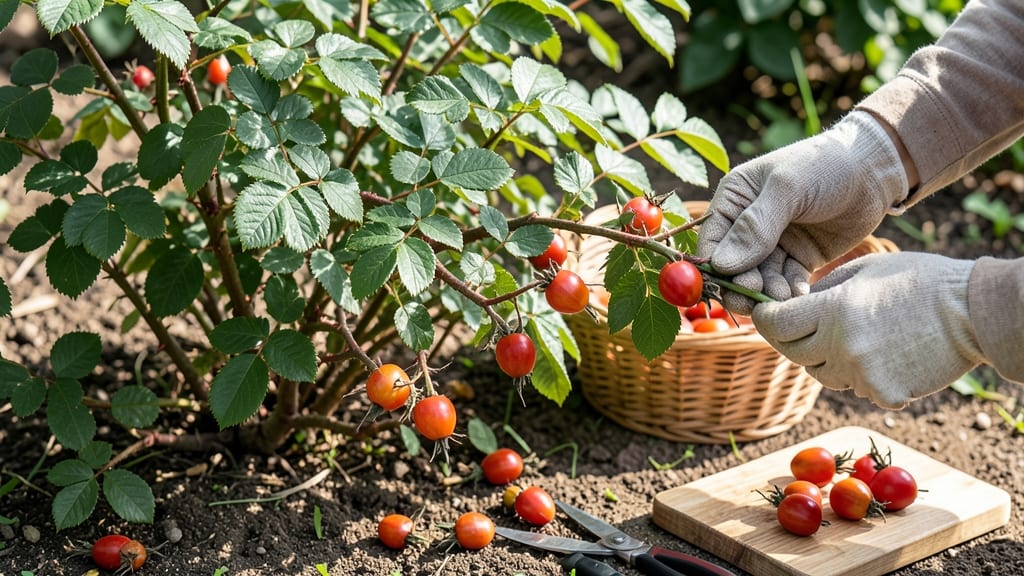
Harvest rose hips when they turn deep red or orange—typically between September and November—to unlock their peak vitamin C and flavor potential.
Did you know these bright 🌹 berries pack more vitamin C than citrus fruits? But harvesting them too early makes them bitter, while waiting too long turns them mealy. The secret lies in color, firmness, and timing—three key clues that reveal the perfect moment for your harvest.
Whether you’re growing rose hips for teas, jams, or medicinal uses, knowing these stages ensures you get the most from your shrubs. Below, I’ll break down the color-coded ripening phases, how to test for ripeness, and what to do once you’ve picked them.
From drying techniques to storage tips, you’ll learn how to preserve your harvest for months—so you can enjoy rose hip benefits all year long.


3 Color-coded stages for harvesting rose hips at peak nutrients
Rose hips transform from unassuming green pods into powerhouse fruits packed with vitamin C, antioxidants, and natural sugars—but only when harvested at the perfect moment. The color progression from green to deep red isn’t just aesthetic; it signals dramatic shifts in nutrient density and flavor.
Miss these stages, and you’ll end up with bitter, underripe hips or mealy, overripe ones that crumble at the touch.
Each color-coded stage offers unique benefits: green hips are tart and high in tannins, orange hips balance sweetness and acidity, and deep red hips deliver peak vitamin C and storage potential.
Understanding these stages lets you tailor your harvest for culinary uses (like teas or jams) or medicinal preparations (syrups, tinctures). Let’s break down the exact harvest windows and what to watch for in the field.
| Stage | Color | Harvest Window | Firmness | Vitamin C Content | Best Use |
|---|---|---|---|---|---|
| Green Stage | 🟢 Bright green | Late summer (Aug) | Very firm | Low (10-20mg) | Fermented teas |
| Orange Stage | 🟠 Orange-yellow | Early fall (Sep) | Firm but yielding | Moderate (50-100mg) | Fresh jams |
| Deep Red Stage | 🔴 Rich red | Late fall (Oct-Nov) | Slightly soft | High (400-600mg) | Dried supplements |
The green stage (late summer) is where rose hips start to swell but remain hard and tart. At this point, they’re low in vitamin C but rich in tannins, making them ideal for fermented teas or preserves where bitterness is desirable.
Harvesting too early risks underdeveloped seeds and astringent flavors that overpower delicate recipes. If you’re making rose hip syrup, green hips can add complexity but require longer simmering times.
By early fall, hips transition to the orange stage, signaling a sweet-spicy balance perfect for fresh uses. This is your window for jams and sauces, where the natural sugars caramelize beautifully.
The vitamin C content jumps significantly—up to 100mg per hip—but the texture is still firm enough to handle processing. Look for hips that yield slightly when pressed; if they dent too easily, they’re past their prime for fresh applications.
The deep red stage (late fall) is the peak for nutrition and storage, with vitamin C levels rivaling citrus and a mellow, almost honey-like sweetness. These hips are plump and slightly soft, with seeds fully formed and visible through the skin.
This is the ideal time for drying or making long-term storage syrups, as their high sugar content prevents spoilage. Wait too long, though, and the hips become mealy and shriveled, losing both flavor and nutritional value.
Pro tip: Harvest on dry mornings to avoid mold, and use clean pruners to snip hips at the stem. Leave a 1-inch stem attached—it protects the fruit during drying and preserves more nutrients.
Sort your harvest immediately: discard any damaged or moldy hips, as they can ruin entire batches during storage. For large-scale harvesting, use a mesh bag to gently shake hips from bushes without bruising them.
Climate plays a critical role in timing. In warmer USDA zones (7-10), hips may ripen earlier (as early as September), while cooler zones (3-6) could extend the harvest into December.
Watch for frost warnings: a light frost can enhance sweetness, but a hard freeze will damage hips. If frost is forecasted, harvest 24 hours before to capture that sugar spike without risking spoilage.
Don’t overlook varietal differences. Dog rose hips (Rosa canina) are the most nutrient-dense, while modern floribunda varieties often produce smaller, less flavorful hips. If you’re growing roses for ornamental purposes, check the variety—some, like ‘The Fairy’, are bred for hip production and yield consistently. For maximum
How to test rose hip ripeness: the 3-Step touch-and-taste method
Color isn’t the only clue for harvesting rose hips—firmness and seed development reveal the true ripeness. Overripe hips turn mealy, while underripe ones stay bitter. I’ve developed a 3-step method to test ripeness accurately, so you never miss the sweet spot between September and November.
First, examine the skin texture. A ripe rose hip should feel slightly yielding when pressed gently with your fingernail—like a ripe tomato. If it springs back, it’s too firm; if it dents deeply, it’s past its prime.
This simple pressure test cuts through color variations caused by sunlight or variety.
-
Step 1: The Pressure Test
Press a hip gently with your fingernail. It should yield slightly (like a ripe peach) but not dent deeply. Too firm = underripe; too soft = overripe. -
Step 2: Seed Check
Slice open a hip to inspect seeds. Fully ripe hips have plump, brown seeds filling the center. If seeds are white or shriveled, wait 1-2 weeks for better flavor. -
Step 3: Flavor Test
Taste a small sample (rinse first!). Ripe hips taste tart-sweet with a hint of citrus. Bitter? Harvest later. Bland or mealy? You’ve missed the window.
Harvesting too early is the biggest mistake—green or orange hips contain bitter tannins that ruin teas and jams. I once picked a batch in October thinking they were ready, only to discover they tasted like lemon peel with a kick of soap.
Lesson learned: Wait until hips are deep red or orange and pass all three tests.
Overripe hips are just as problematic—they develop a mealy texture and lose their vibrant color. If you spot hips with wrinkled skin or a dull hue, remove them immediately.
These won’t dry well and can attract pests. For best results, harvest on a dry morning after dew has evaporated to preserve quality.
Pro tip: Use a pair of clean pruning shears to snip hips from the stem, leaving a 1-inch stem attachment. This prevents bruising and extends shelf life. Store freshly picked hips in a paper bag in the fridge for up to 5 days before processing to lock in freshness.
Once you master this method, you’ll consistently harvest rose hips at their peak—packed with vitamin C, vibrant in color, and perfect for drying or cooking. The key is patience; let nature do the work, and your reward will be hips bursting with flavor.